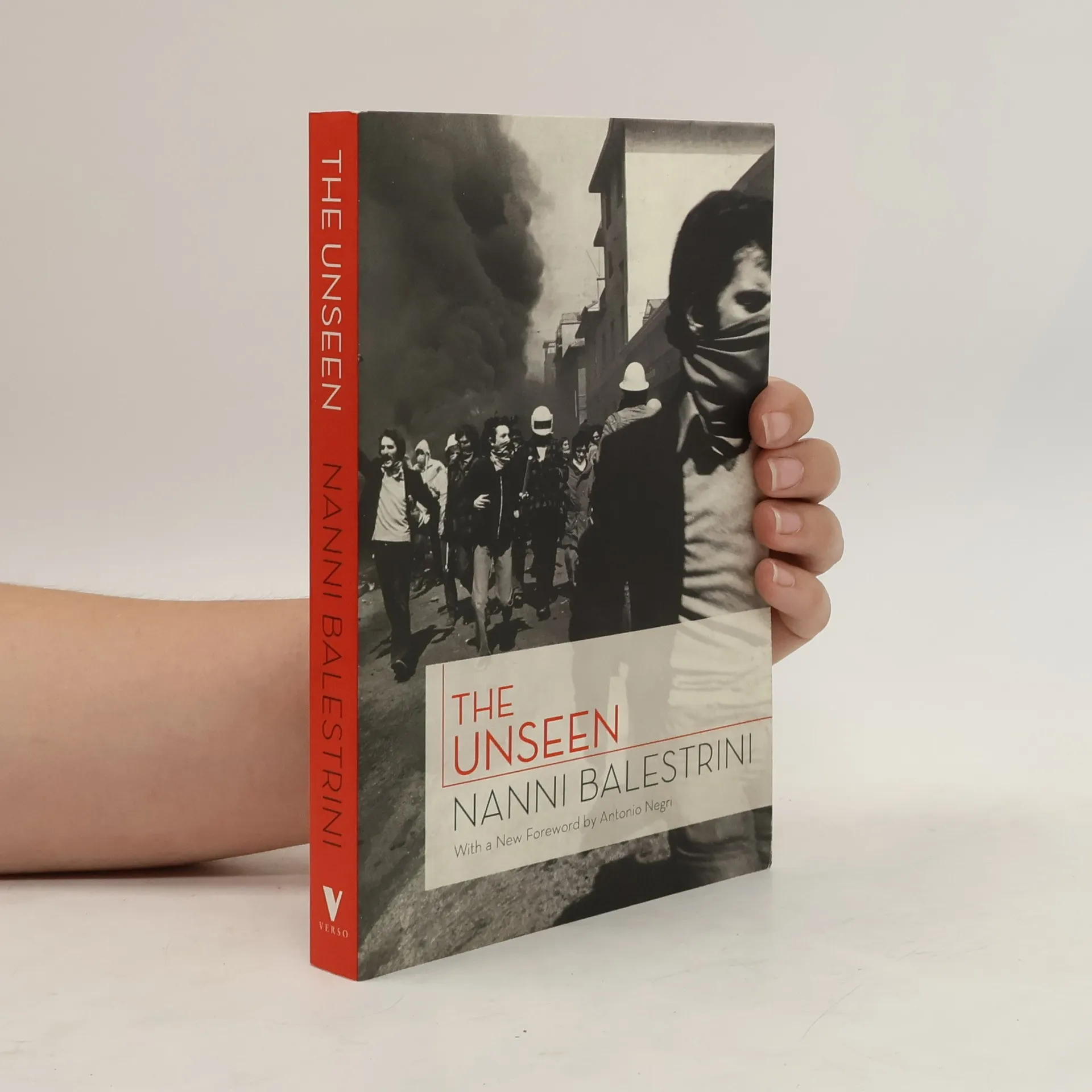
The unseen
- 242 pages
- 9 hours of reading
An epic joyful and explosive insurrection from the poet of youth rebellion.


Nanni Balestrini was an Italian experimental poet, author, and visual artist associated with the Neoavanguardia movement. His work delves into themes of struggle and conflict, often drawing inspiration from the political and social movements of his time with a distinctive stylistic approach. Balestrini's writing is characterized by its experimental use of language and form, establishing him as a significant figure in the Italian avant-garde. His literary contributions focus on capturing the zeitgeist and documenting societal shifts and state repression.

An epic joyful and explosive insurrection from the poet of youth rebellion.
The Golden Horde is a definitive work on the Italian revolutionary movements of the 1960s and '70s. An anthology of texts and fragments woven together with an original commentary, The Golden Horde widens our understanding of the full complexity and richness of radical thought and practice in Italy during the 1960s and '70s. The book covers the generational turbulence of Italy's postwar period, the transformations of Italian capitalism, the new analyses by worker-focused intellectuals, the student movement of 1968, the Hot Autumn of 1969, the extra-parliamentary groups of the early 1970s, the Red Brigades, the formation of a radical women's movement, the development of Autonomia, and the build-up to the watershed moment of the spontaneous political movement of 1977. Far from being merely a handbook of political history, The Golden Horde also sheds light on two decades of Italian culture, including the newspapers, songs, journals, festivals, comics, and philosophy that these movements produced. The book features writings by Sergio Bologna, Umberto Eco, Elvio Fachinelli, Lea Melandri, Danilo Montaldi, Toni Negri, Raniero Panzieri, Franco Piperno, Rossana Rossanda, Paolo Virno, and others, as well as an in-depth introduction by translator Richard Braude outlining the work's composition and development.
"An den Rändern der großen Städte, den Stadien und ihrer Umgebung fließen die Gesänge von I FURIOSI zusammen. Eine poetische Prosa, die im Rhythmus der Geschichten von den Abfahrten im Morgengrauen aus den verwüsteten Randgebieten, den Horrorreisen in stinkenden Sonderzügen erzählt. Von den Schlägereien und Drogenexzessen der Rotschwarzen Brigaden des AC Milan." La Republica, April 1994
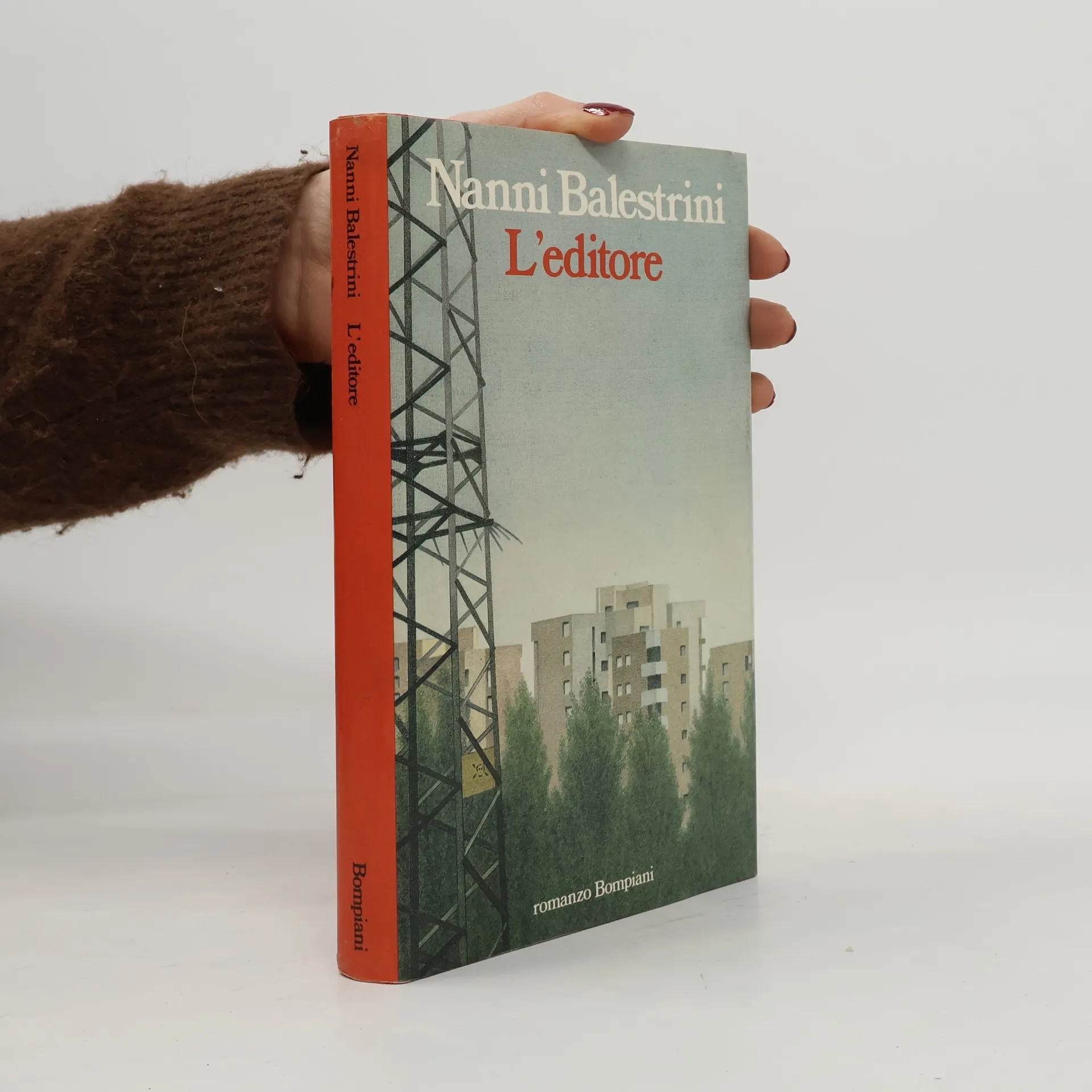
Un giovane regista, un professore universitario, un libraio e una giornalista si ritrovano durante un weekend in montagna a discutere sulla possibilità di realizzare una sceneggiatura cinematografica sulla vicenda di Giangiacomo Feltrinelli, l'editore dell'omonima casa editrice morto a causa di un'esplosione che nelle sue intenzioni doveva abbattere un traliccio dell'alta tensione a Segrate, alle porte di Milano. Attraverso l'uso di diversi registri narrativi, Balestrini riesce a collocare l'evento della morte di Feltrinelli nel contesto incandescente delle lotte sociali degli anni successivi al 1968 conferendo dignità a un personaggio per lungo tempo denigrato e ridotto al rango di un romantico sognatore.
Nanni Balestrinis große Roman-Trilogie ist das literarische Vermächtnis der Revolte in Italien. Mit „Wir wollen alles“ wurde Balestrini mit einem Schlag zum Romancier des Operaismus. Das Buch schildert die Kämpfe der italienischen Massenarbeiter und feiert ihren Aufstand gegen das Fabriksystem. Protagonist der „Unsichtbaren“ ist ein Vertreter der Generation von 1977, der Autonomia, die das gesamte Land in ein riesiges Laboratorium neuer Lebensentwürfe verwandelte. Der Staat antwortete auf ihre Herausforderung mit massiver Repression. „Der Verleger“ porträtiert den legendären Begründer des Verlagshauses Feltrinelli, der bei einem Bombenanschlag auf einen Strommast ums Leben kam. Sein Tod markiert die militante Zuspitzung der Kämpfe zwischen Partisanentradition und entstehender Fabrikguerilla. Kennzeichen der Romane Balestrinis ist eine atemberaubend verdichtete Prosa, deren Methoden so experimentell sind wie die Bewegungen und Lebenswege, von denen sie handelt.
Die »Goldene Horde« ist das definitive Buch über das lange Jahrzehnt der italienischen Revolte in den 1960er- und 1970er-Jahren, eine kommentierte Anthologie, die das Verständnis für die Komplexität und den Reichtum der radikalen Denkweise und Praxis jener Zeit vertieft. Es ist weit mehr als ein Handbuch der politischen Geschichte, es beleuchtet zwei Jahrzehnte italienischer Kultur, einschließlich der Zeitungen, Lieder, Magazine, Festivals, Comics und der Philosophie, die diese Bewegungen hervorgebracht haben. Es ist die aufregende Rekapitulation einer Zeit des Aufbruchs, in der es möglich schien, den Himmel zu stürmen. 1988 erschienen, wurde das Buch bis 2015 mehrfach erweitert und aktualisiert und liegt hiermit erstmals vollständig in deutscher Fassung vor.
Ouvrage publié a I'occasion de Ia manifestation « Les lmmatériaux » présentée par le Centre de Création Industrielle du 28 mars au 15 juillet 1985 dans Ia Grande galerie du Centre national d'art et de culture Georges Pompidou.
. 8vo pp. 128 Rilegato (hardback) Conservata la fascetta editoriale Molto buono (Very Good)