The story follows Sibylla as she uncovers the dark secrets of her family's history, leading her to confront a terrifying reality. As she navigates the challenges of high school and her uncertain future, she faces a critical choice between an unexpected destiny and the life she has always known. The narrative weaves themes of identity and the impact of the past on the present, creating a suspenseful journey of self-discovery and difficult decisions.
Are you happy? Chances are, probably not as happy as you could be. We usually begin life in a good place, but as time goes on, the road to true happiness starts to look more like chaos theory than a simple walk in the park. It seems that no matter how hard, or what we try, our experience of true happiness can only be characterized as elusive and fleeting, at best. After a lifetime of endlessly chasing down this mysterious road, we are left disappointed, disillusioned and exhausted. Of all the things we’re taught in this world, arguably the most important thing never actually how to become truly happy. That is, until now. On The Way turns the existing school of thought on finding true happiness squarely on its head by shifting the focus toward behaviors, and away from attainment and achievement. The profound consequence of this shift is the ability to manifest a happiness that is not only powerful and durable, but consistent and sustainable, as well.
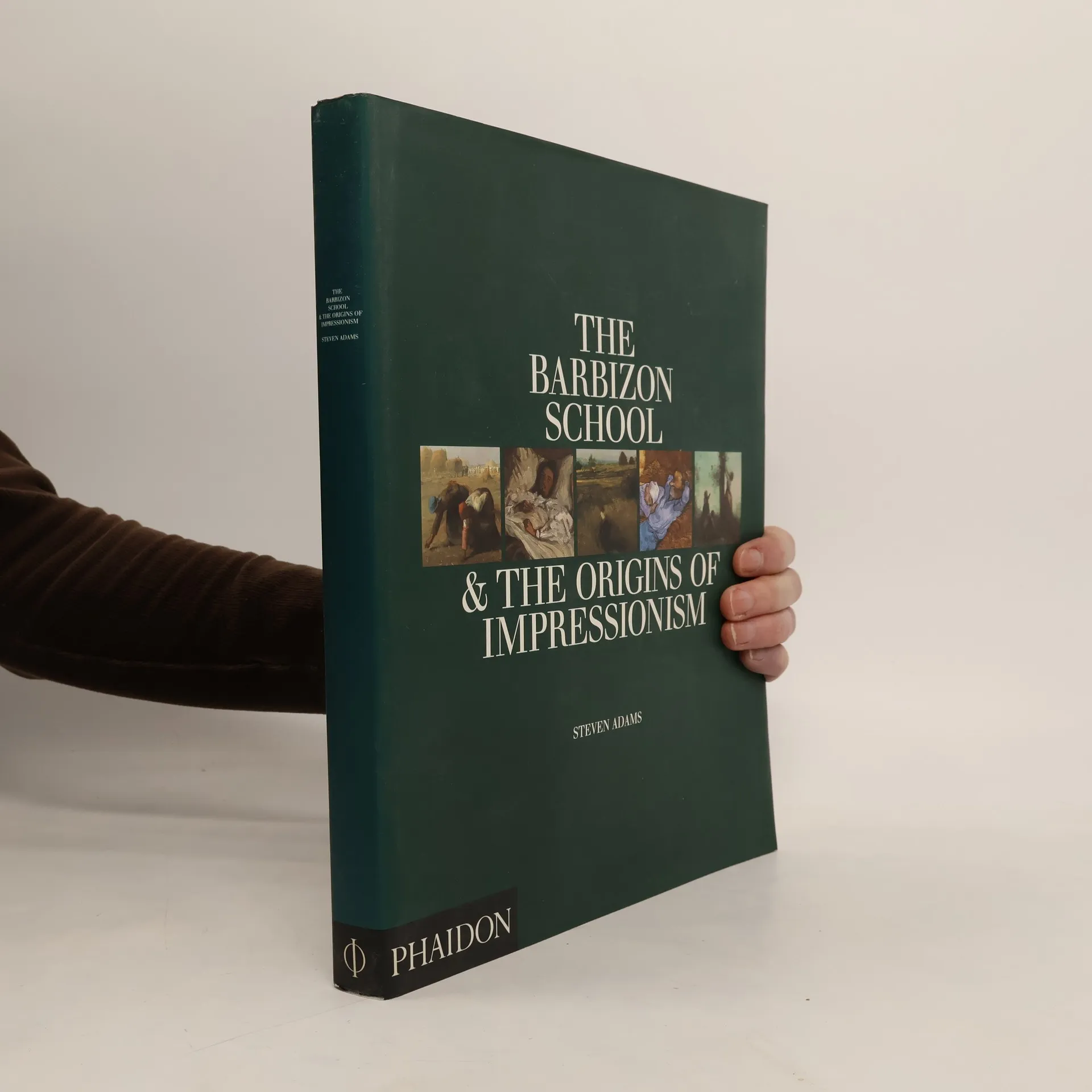
The key painters associated with the Barbizon School -- Corot, Millet, Rousseau and Courbet -- are among the finest landscape artists of the nineteenth century. From their base at the village of Barbizon in the Forest of Fontainebleau, just outside Paris, they painted nature as they saw it, anticipating many of the techniques and effects of Impressionism. In this survey Steven Adams re-evaluates French landscape painting in the half-century before Impressionism, placing this 'return to nature' against the background of the rapid industrialization and political crises of the period.
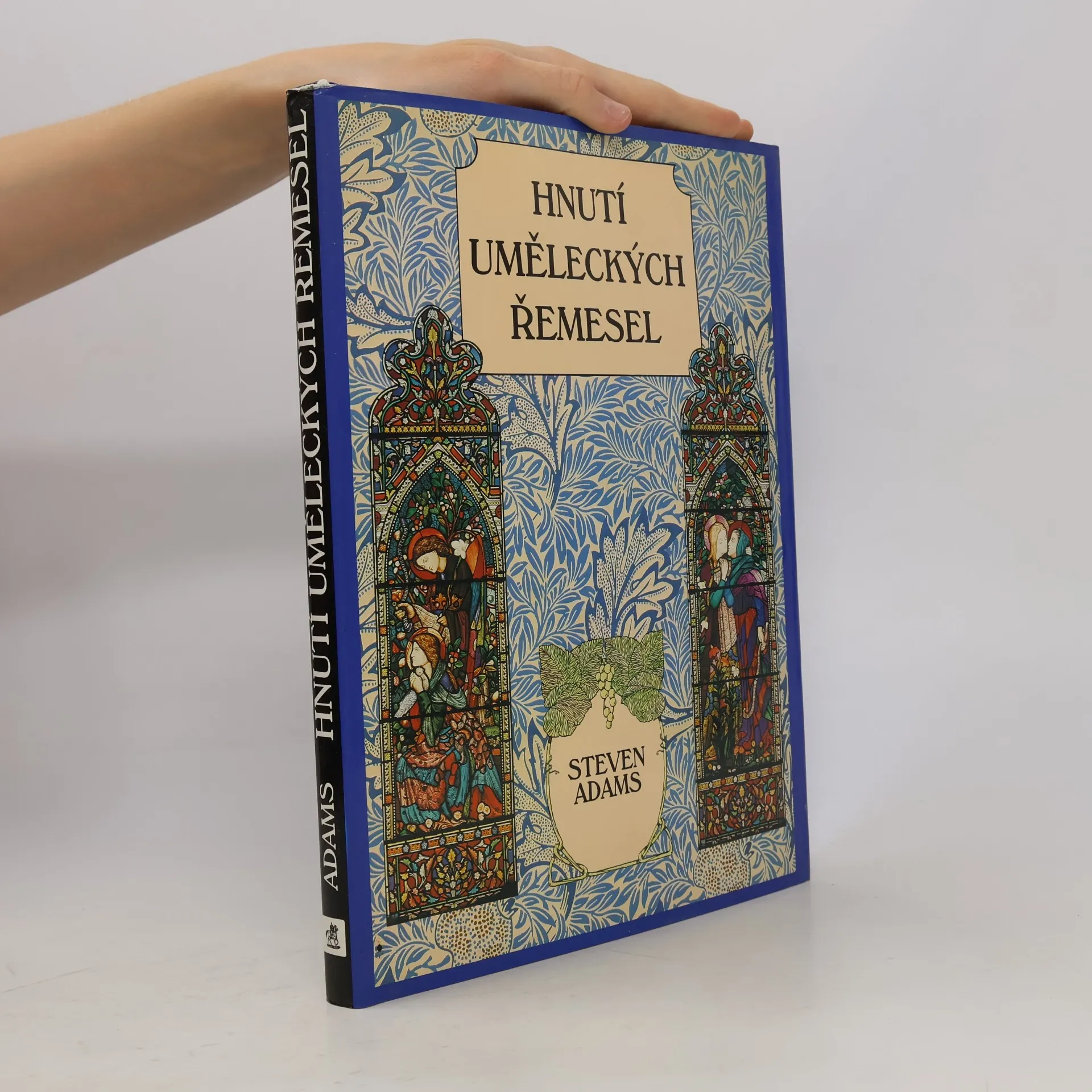
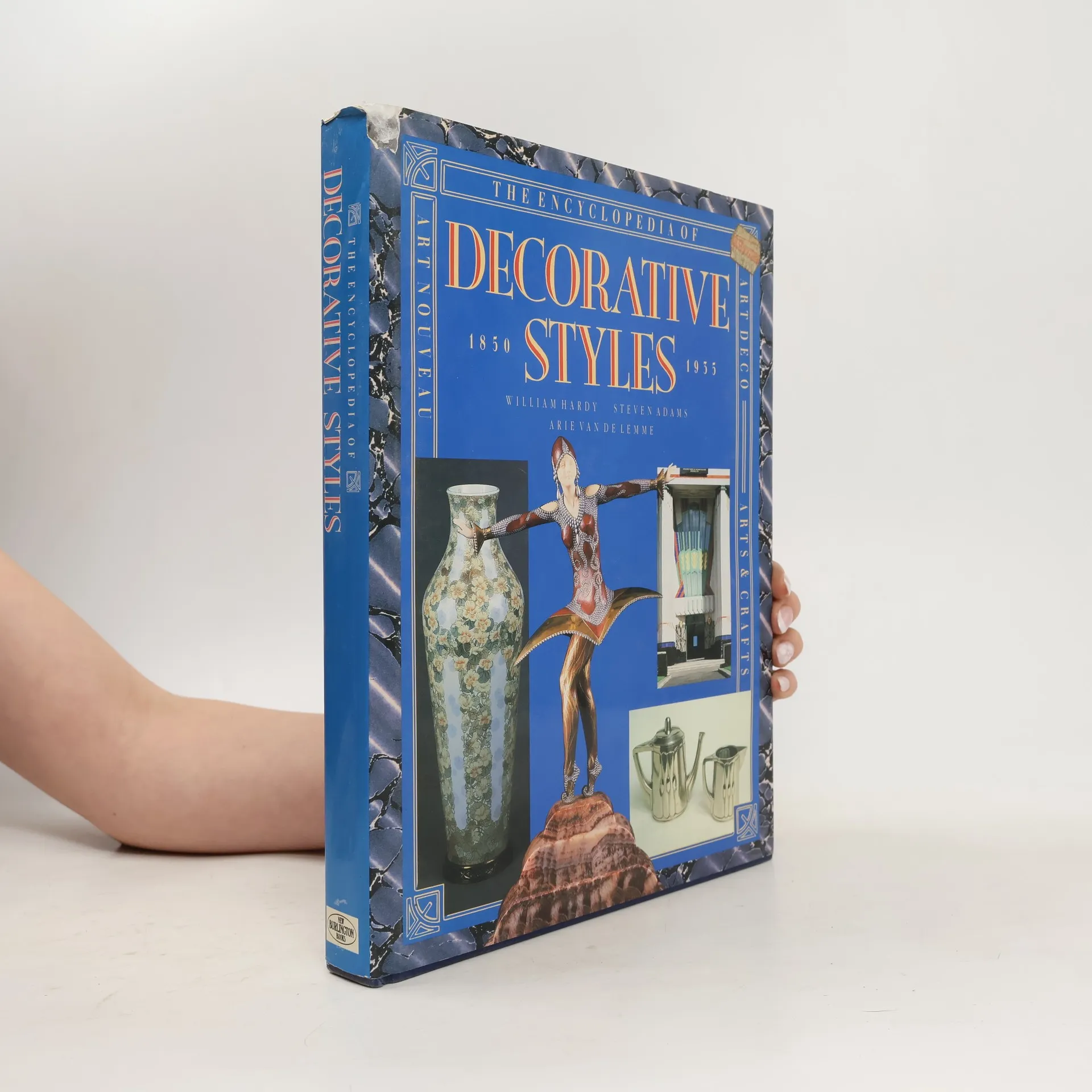
Zevrubný výklad historie převratného hnutí, které se od poloviny 19. století šířilo Anglií, Spojenými státy a Evropou. Je průvodce pro každého, kdo se zajímá o užité umění.