Originally part of a set, now sold separately, Volume 4 of Sub-Saharan Africa Architectural Guide is dedicated to Eastern Africa, from the Sahel to the Horn of Africa and includes Chad, Sudan, South Sudan, Eritrea, Djibouti, Ethiopia, and Somalia.
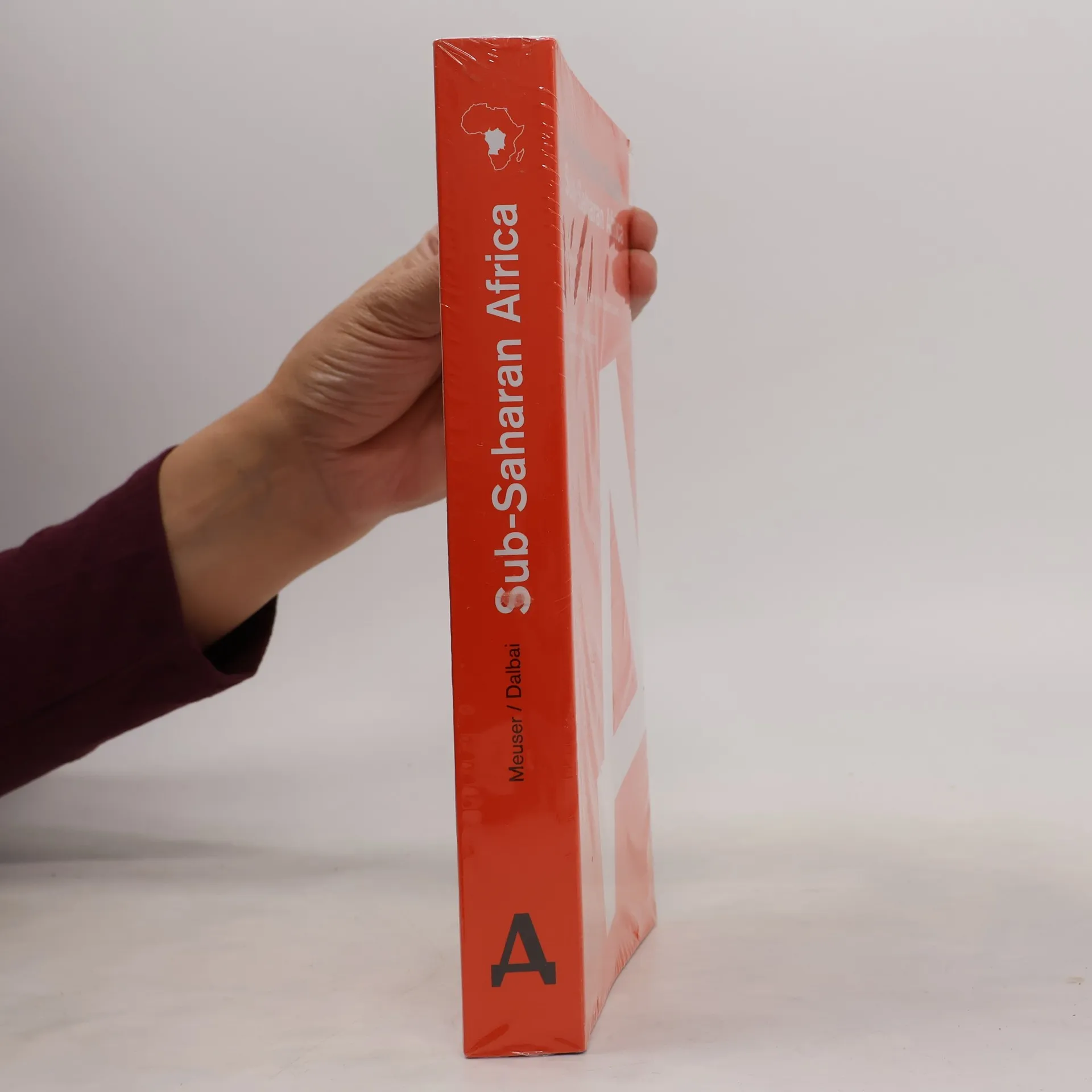
Originally part of a set, now sold separately, Volume 7 of Sub-Saharan Africa Architectural Guide is dedicated to Southern Africa, between the Atlantic and Indian Oceans and includes Mozambique, Malawi, Zambia, Zimbabwe, Botswana, Namibia, Eswatini, Lesotho, and South Africa.
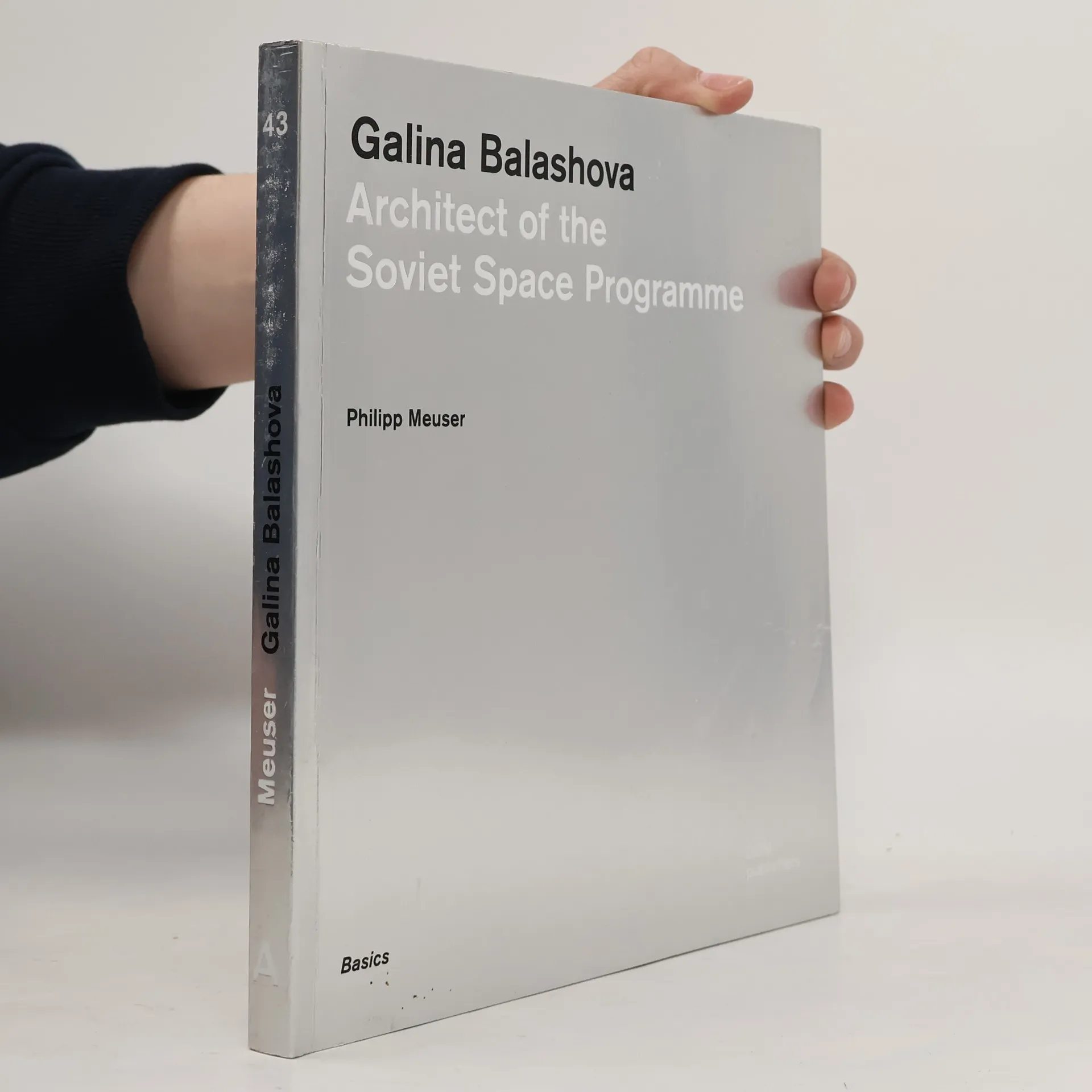
This monograph on the work of the Russian architect Galina Balashova presents a unique collection of designs for Soviet cosmonautics. These include plans and engineering drawings for Soyuz capsules and the space stations Salyut and Mir. Balashova acted as a consultant to the Buran programme, the Soviet counterpart to the American Space Shuttle. Striving for harmony and beauty, the architect strikes an emotional chord in the high-tech world of carrier rockets, laboratories and survival equipment. It is therefore due to Balashova‘s talent that a unique chapter has been added to Soviet architectural history: Architecture for Cosmonautics. Her exceptional achievements, including designs for medals and emblems, are still scarcely known today – even in Russia.
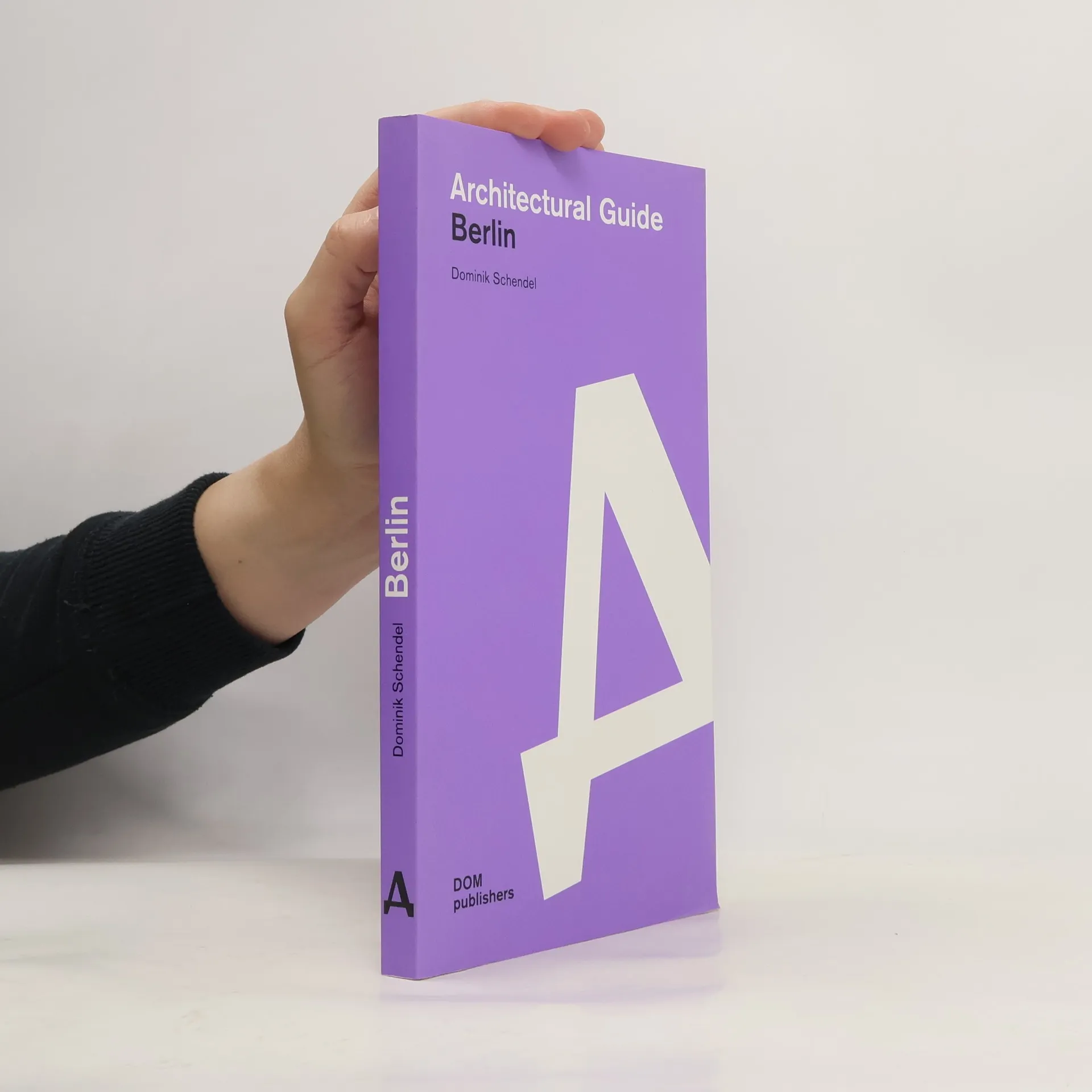
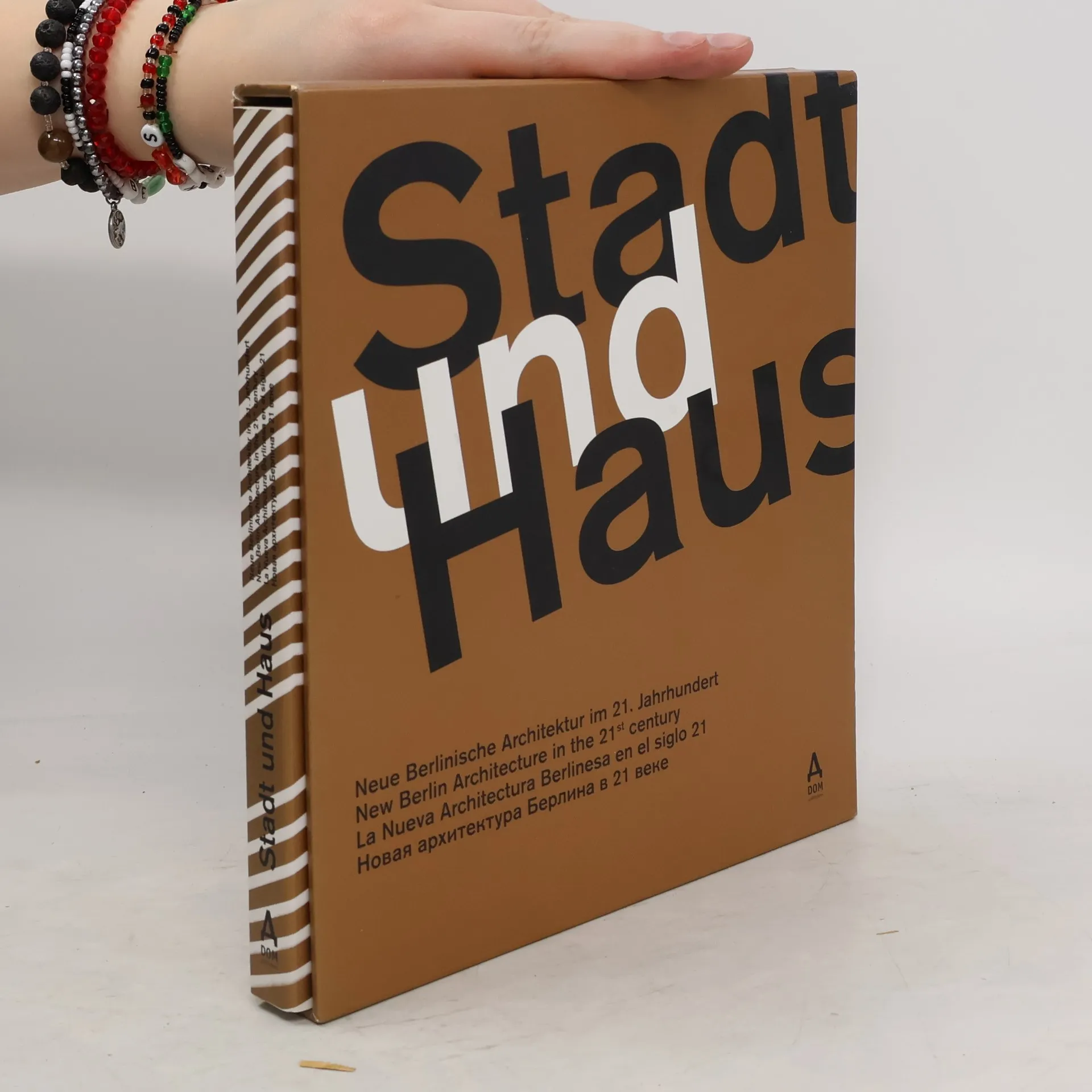
In no other place have changing ideologies and urban designs inscribed themselves on the city structure in such a way as in Berlin. This rich collection representing the most diverse urban areas and architectural styles will enable the reader to make a journey through history, from medieval Alt-Berlin to the present day. Five walks lead to the prominent architectural highlights of the city. The insertion of excursive notes provides a basis for analysis and offer critical commentaries.
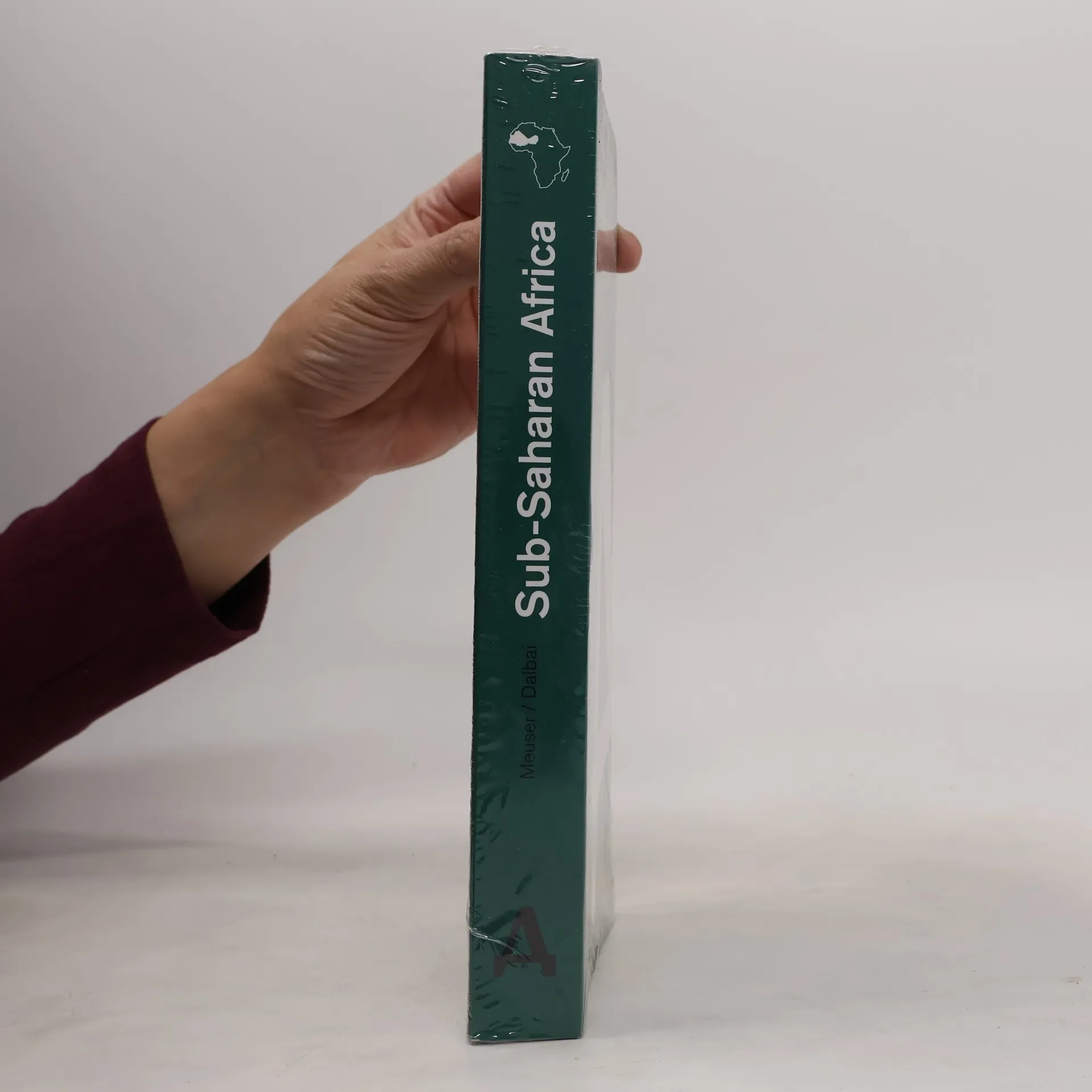
Originally part of a set, now sold separately, Volume 2 of Sub-Saharan Africa Architectural Guide is dedicated to Western Africa, from the Atlantic Ocean to the Sahel and includes Cabo Verde, The Gambia, Senegal, Mauritania, Mali, Burkina Faso, and Niger.
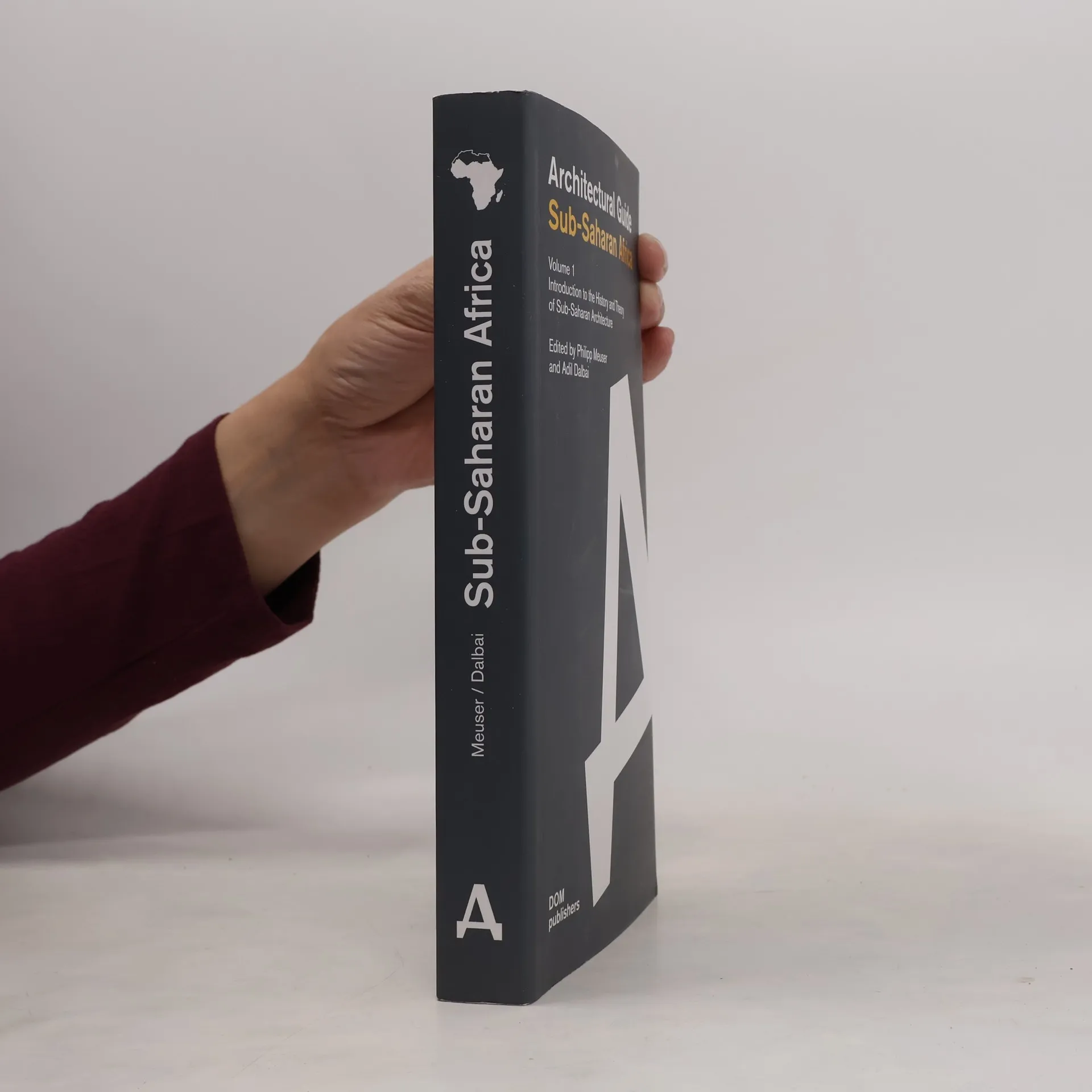
Despite the growing interest in Africa, the continent's built environment is still largely unfamiliar in many parts of the world. The seven volumes of the Sub-Saharan Africa Architectural Guide form the first comprehensive overview of architecture south of the Sahara that does justice to the region's wealth of buildings. In 49 chapters, each focusing on one country, richly illustrated texts by more than 350 authors from Africa and across the globe come together to produce a superlative work. On the basis of 850 selected buildings and over 200 thematic articles, the continent's building culture is elucidated and contextualised. The diverse contributions paint a multifaceted picture of Africa's architecture in the twenty-first century, a discipline shaped by traditional and colonial roots as well as today's global interconnections and challenges. An introductory volume on the history and theory of African architecture provides essential background knowledge
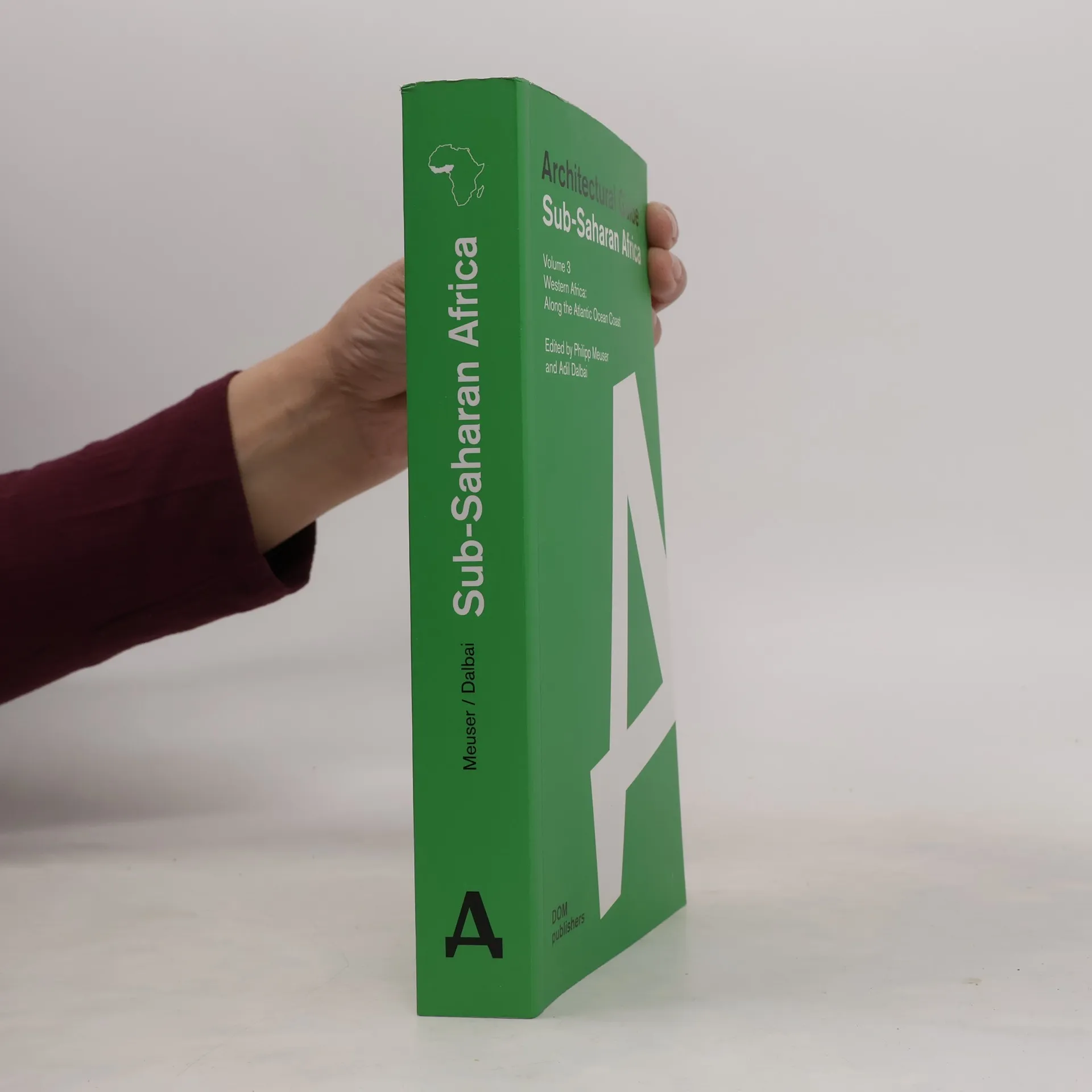
Originally part of a set, now sold separately, Volume 3 of Sub-Saharan Africa Architectural Guide is dedicated to Western Africa, along the Atlantic Ocean Coast and includes Guinea-Bissau, Guinea, Sierra Leone, Liberia, Cote d'Ivoire, Ghana, Togo, Benin, and Nigeria.
Despite the growing interest in Africa, the continent's built environment is still largely unfamiliar in many parts of the world. The seven volumes of the Sub-Saharan Africa Architectural Guide form the first comprehensive overview of architecture south of the Sahara that does justice to the region's wealth of buildings. In 49 chapters, each focusing on one country, richly illustrated texts by more than 350 authors from Africa and across the globe come together to produce a superlative work. On the basis of 850 selected buildings and over 200 thematic articles, the continent's building culture is elucidated and contextualised. The diverse contributions paint a multifaceted picture of Africa's architecture in the twenty-first century, a discipline shaped by traditional and colonial roots as well as today's global interconnections and challenges. An introductory volume on the history and theory of African architecture provides essential background knowledge
Despite the growing interest in Africa, the continent’s built environment is still largely unfamiliar in many parts of the world. The seven volumes of the Sub-Saharan Africa Architectural Guide form the first comprehensive overview of architecture south of the Sahara that does justice to the region’s wealth of buildings. In 49 chapters, each focusing on one country, richly illustrated texts by more than 350 authors from Africa and across the globe come together to produce a superlative work. On the basis of 850 selected buildings and over 200 thematic articles, the continent’s building culture is elucidated and contextualised. The diverse contributions paint a multifaceted picture of Africa’s architecture in the twenty-first century, a discipline shaped by traditional and colonial roots as well as today’s global interconnections and challenges. An introductory volume on the history and theory of African architecture provides essential background knowledge.1 Introduction: History and Theory of African Architecture2 Western Africa from the Atlantic Ocean to the Sahel3 Western Africa along the Atlantic Ocean Coast4 Eastern Africa from the Sahel to the Horn of Africa5 Eastern Africa from the Great Lakes to the Indian Ocean6 Central Africa from the Atlantic Ocean to the Great Lakes7 Southern Africa between the Atlantic and Indian Oceans
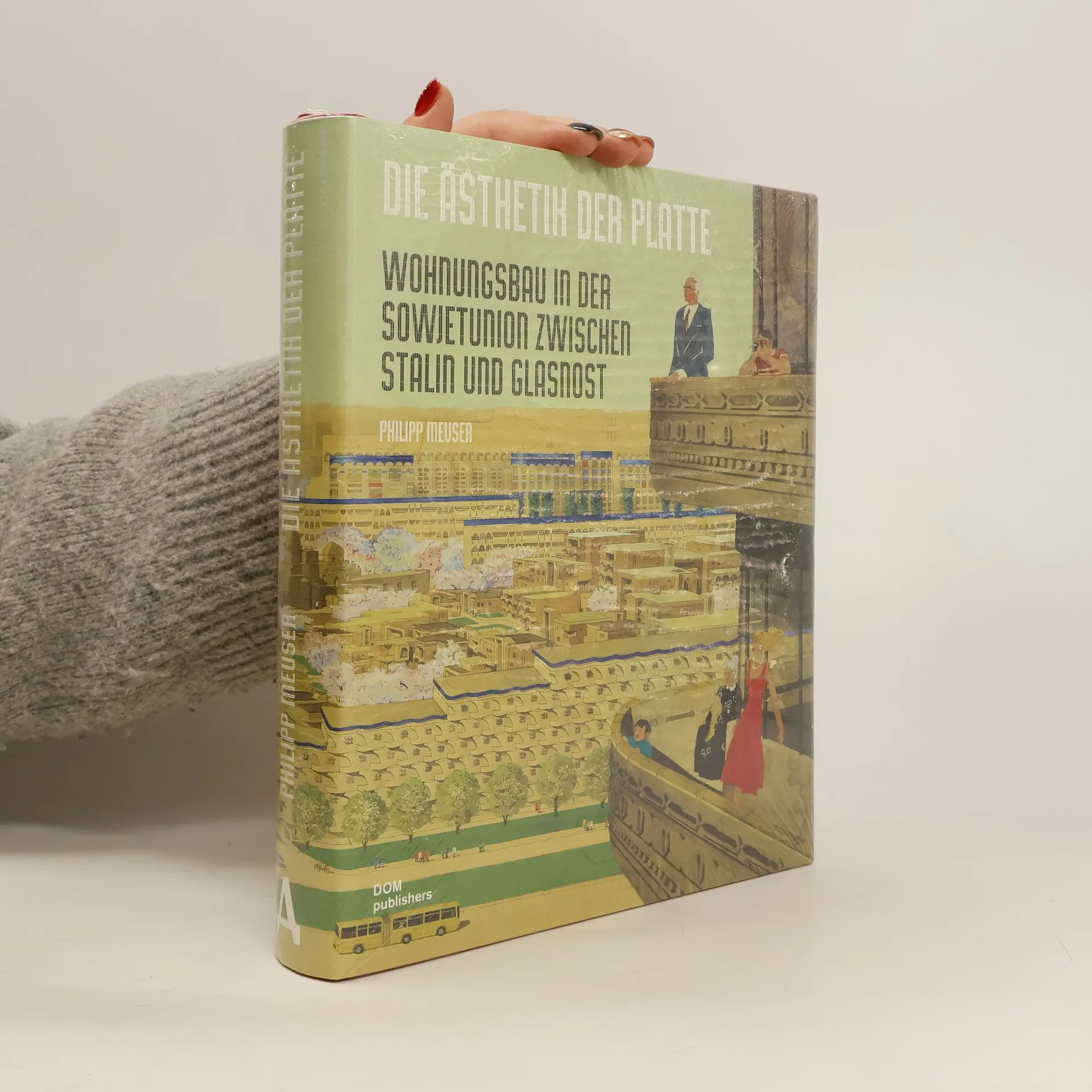
Der sowjetische Wohnungsbau zwischen 1955 und 1991 ist mit seinen über 700 Serientypen ein widersprüchliches Thema. Bislang hat die aktuelle Baugeschichtsschreibung diesem komplexen Forschungsfeld kaum Beachtung geschenkt. Anliegen und Anspruch dieses grundlegenden Forschungsbeitrags zum Wohnungsbau des 20. Jahrhundert ist deshalb die angemessene Würdigung eines der größten Bauprogramme der Nachkriegsmoderne. Neben einer Einordnung des Massenwohnungsbaus in den architekturhistorischen Kontext der Sowjetmoderne werden in dieser Arbeit zehn gebäudekundliche Parameter zur Identifikation serieller Wohnbauten definiert und am Beispiel von drei ausgewählten Städten in der ehemaligen Sowjetunion diskutiert: Moskau, Leningrad und Taschkent. Insgesamt zeichnet Die Ästhetik der Platte ein neues Bild vom industriellen Wohnungsbau in der UdSSR, der nicht nur den Alltag von mehr als 170 Millionen Sowjetbürgern prägte, sondern auch das Erscheinungsbild vieler Städte zwischen Kaliningrad und Wladiwostok bis heute dominiert.
Eine Zeitreise in die Küche einer kinderreichen Försterfamilie in Mecklenburg vor 120 Jahren, mit über 120 Geschichten, die den harten Alltag versüßen. Ungekürzt und direkt.
Das Buch enthält über 140 Rezepte aus einem kleinen Büchlein um 1900, dessen Autor und Herkunft unklar sind. Es bietet eine vollständige und ungekürzte Wiedergabe der Rezepte, von Brod-Pudding bis Zwiebelfleisch, und ermöglicht eine Zeitreise in die gehobene Küche jener Zeit.
Maria Schlosser verfasste ihr Kochbuch während einer Kochschule im Herbst 1910, in dem sie über 120 Rezepte und die Preise der Zutaten notierte. Diese Informationen sind hier ungekürzt und direkt wiedergegeben.
Die Urbanisierungsprozesse, die sich heute in Afrika vollziehen, sind die weltweit größte stadtplanerische Herausforderung der Gegenwart. Von 400 Millionen Menschen ist die Rede, wenn es um den Bevölkerungszuwachs afrikanischer Agglomerationen bis 2050 geht. Doch wie werden diese Megacities aussehen, wenn sich eine urbane Stadtkultur an vielen Orten erst seit einer Generation herausbilden kann? Wird der Typus afrikanische Stadt mehr sein als eine Ansammlung von Dörfern? Wenn wir zukünftig über urbane Lebensformen auf unserem Planeten nachdenken, können wir Afrika nicht länger ignorieren. Diese Architekturmonografie will gängigen Klischees entgegenwirken und die baukünstlerische Vielfalt südlich der Sahara in ein neues Licht rücken. Denn Bauen in Afrika ist weit mehr als die Lehmhütte mit Strohdach. Die sieben Kapitel sind zugleich ein Plädoyer für einen selbstverständlicheren Umgang mit Architektur und Städtebau auf einem Kontinent, der sich längst von Postkolonialismus, Korruption und Armut emanzipiert
Philipp Meuser, Jg. 1969, Architekt BDA und Verleger. Architekturstudium in Berlin und Zürich. Veröffentlichungen und Vorträge über Städtebau und Architektur. Gemeinsam mit Natascha Meuser eigenes Architekturbüro in Berlin mit Schwerpunkt Bauen im Ausland. Fried Nielsen, Jg. 1961, Studium der Rechtswissenschaften in Bonn und München. Ab 1998 für das Auswärtige Amt tätig, u. a. in London, Chile, Tbilissi, Bukarest. Seit 2006 Ständiger Vertreter der Deutschen Botschaft in Minsk.
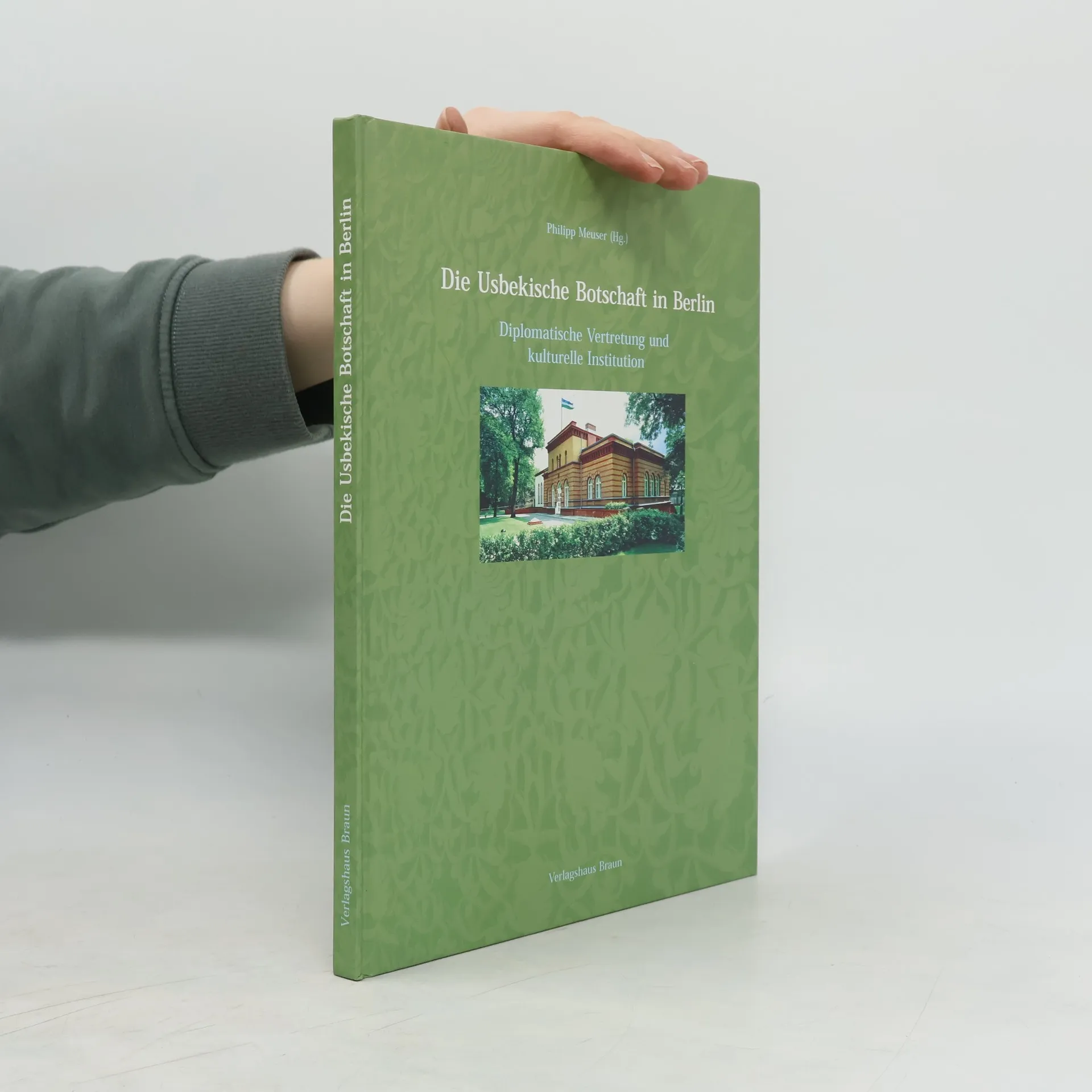
Mitten im Berliner Bezirk Tiergarten befindet sich die diplomatische Vertretung Usbekistans, nur wenige Minuten von wichtigen politischen Institutionen entfernt. Die Botschaft liegt in einem lebhaften, verkehrsreichen Viertel, das das echte Leben Berlins widerspiegelt. Das denkmalgeschützte Gebäude in der Perleberger Straße hat eine bewegte Geschichte: Ursprünglich zwischen 1879 und 1881 als 'Officiers-Speiseanstalt des 1. Garde-Feld-Artillerie-Regiments' erbaut, erlangte es nach dem Zweiten Weltkrieg als 'Ballhaus Tiergarten' kurzfristig lokale Berühmtheit, bevor es lange Zeit wechselnde Besitzer und Verfall erlebte. Die usbekische Regierung hatte klare Vorstellungen für ihre diplomatische Vertretung und wollte ein usbekisch-deutsches Kulturzentrum im Herzen Berlins schaffen. Das ehemalige Ballhaus mit seinen zahlreichen Sälen, Arkaden und Terrassen eignete sich perfekt dafür. Nach umfangreichen Renovierungen entstand eine kulturelle Institution, die zur deutsch-usbekischen Freundschaft beiträgt. Anlässlich der zehnjährigen Städtepartnerschaft zwischen Berlin und Taschkent wurde ein Band veröffentlicht, der die Geschichte des Botschaftsgebäudes und die Entwicklung von der Idee bis zur Umsetzung dokumentiert, ergänzt durch zahlreiche historische und aktuelle Aufnahmen.
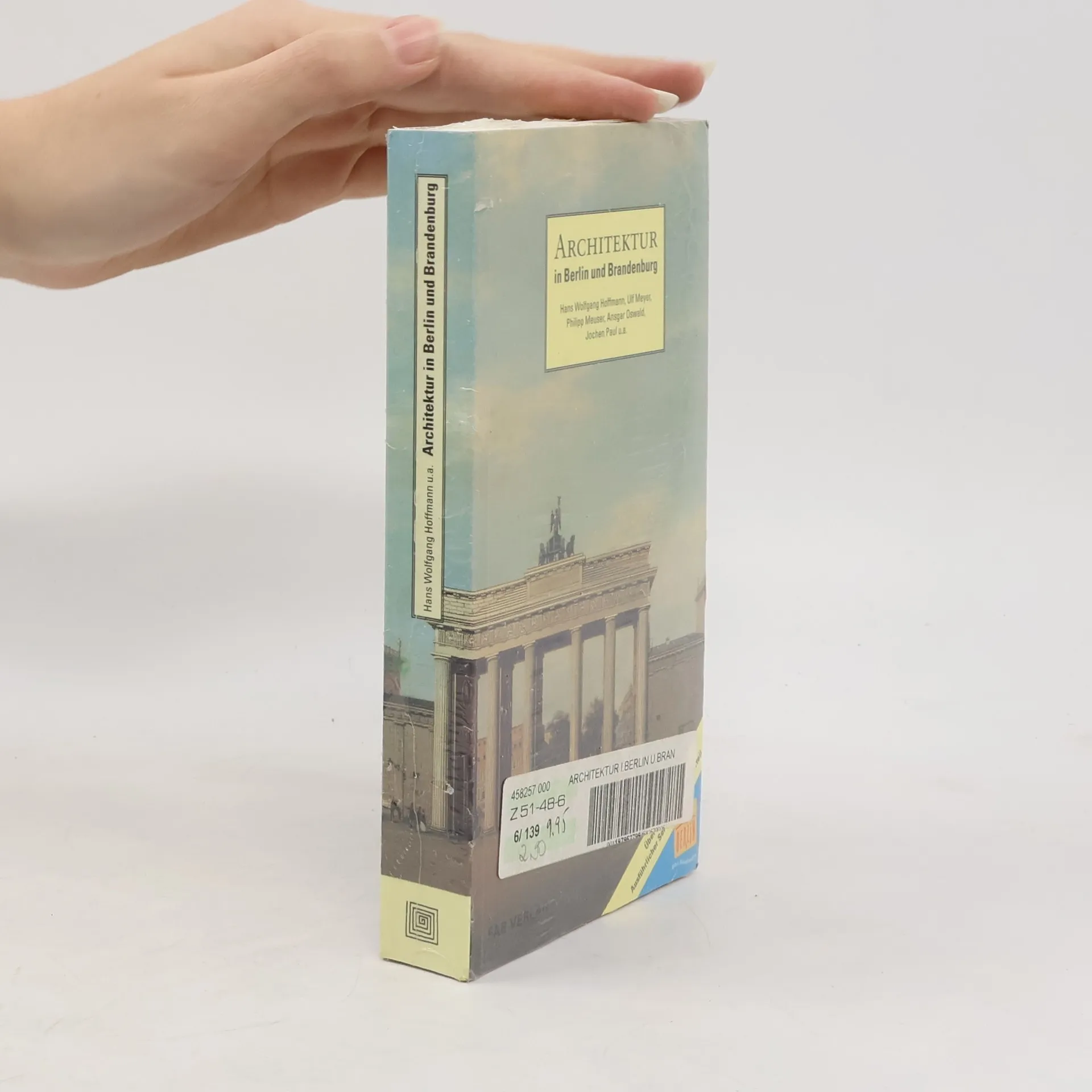
Berlin ist nicht nur Hauptstadt und größte Metropole Deutschlands, Berlin zeichnet sich gleichzeitig durch seine vielfältigste Architekturlandschaft aus. Der nun in erweiterter und aktualisierte Fassung vorliegende Architekturführer schafft einen Zugang zu dieser baulichen Bandbreite. Ausgewiesene Experten führen den Leser durch alle architekturgeschichtlichen Epochen – vom Mittelalter bis in die dritte Dekade des neuen Jahrtausends. Die chronologische Reihenfolge und die hochwertigen Bilder reflektieren auf anschauliche Weise die typische Charakteristik jeder Epoche. Neben den über 500 Einzelgebäuden werden die prägenden Baumeister Berlins sowie jede Epoche einführend porträtiert. „Ohne Zweifel der urteilsfähigste Stadtführer durch Berlin“ Wolf Jobst Siedler
Hans Wolfgang Hoffmann, Jg. 1970. Architekturstudium an der TU Berlin mit Schwerpunkt Stadtsoziologie. Zahlreiche Veröffentlichungen in Fachmagazinen und Tageszeitungen. Korrespondent u. a. für die Frankfurter Rundschau, Autor von Berlin: Der Architekturführer, Bundeshauptstadt – Capital City. Philipp Meuser, Jg. 1969, Architekt BDA und Verleger. Architekturstudium in Berlin und Zürich. Veröffentlichungen und Vorträge über Städtebau und Architektur. Gemeinsam mit Natascha Meuser eigenes Architekturbüro in Berlin mit Schwerpunkt Bauen im Ausland.
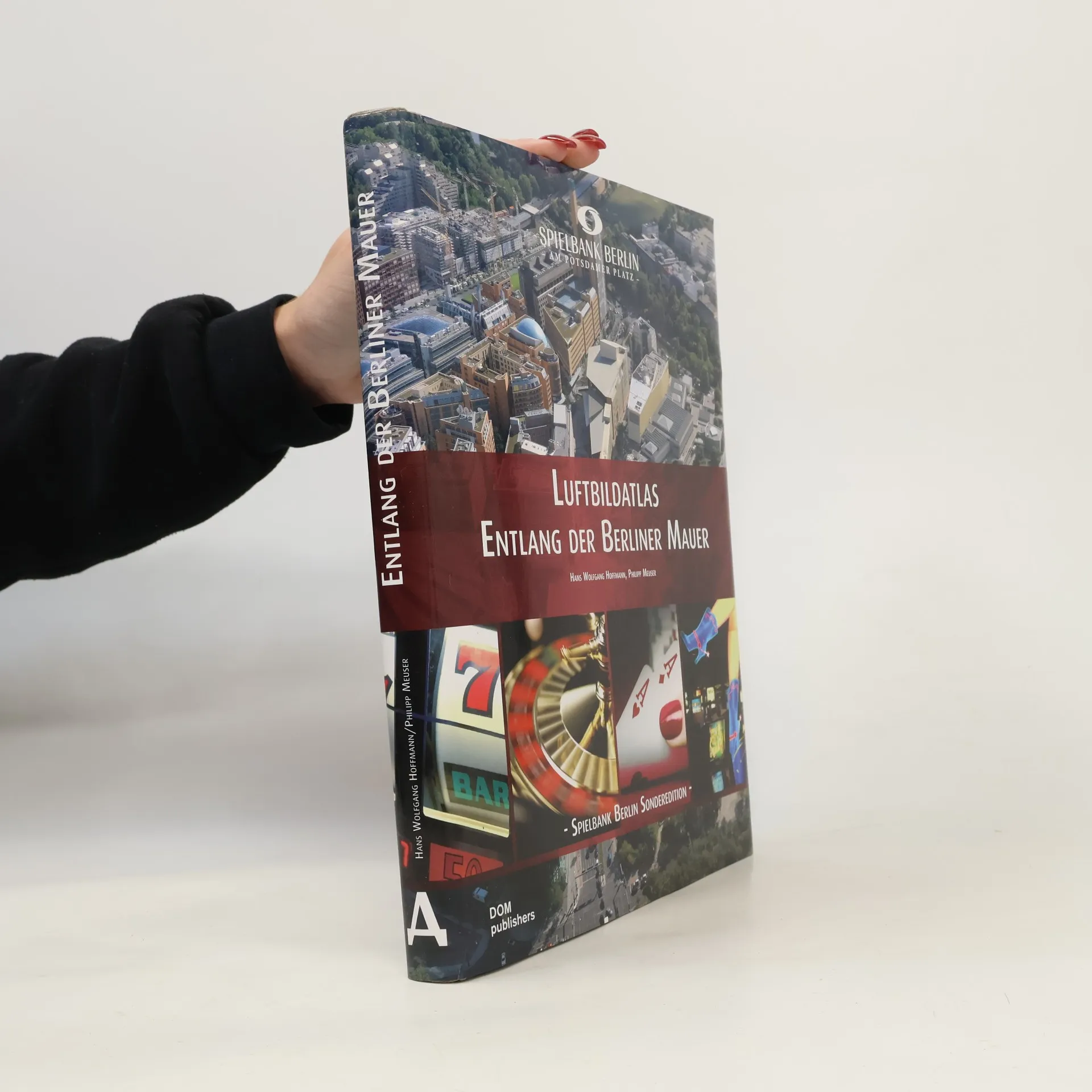
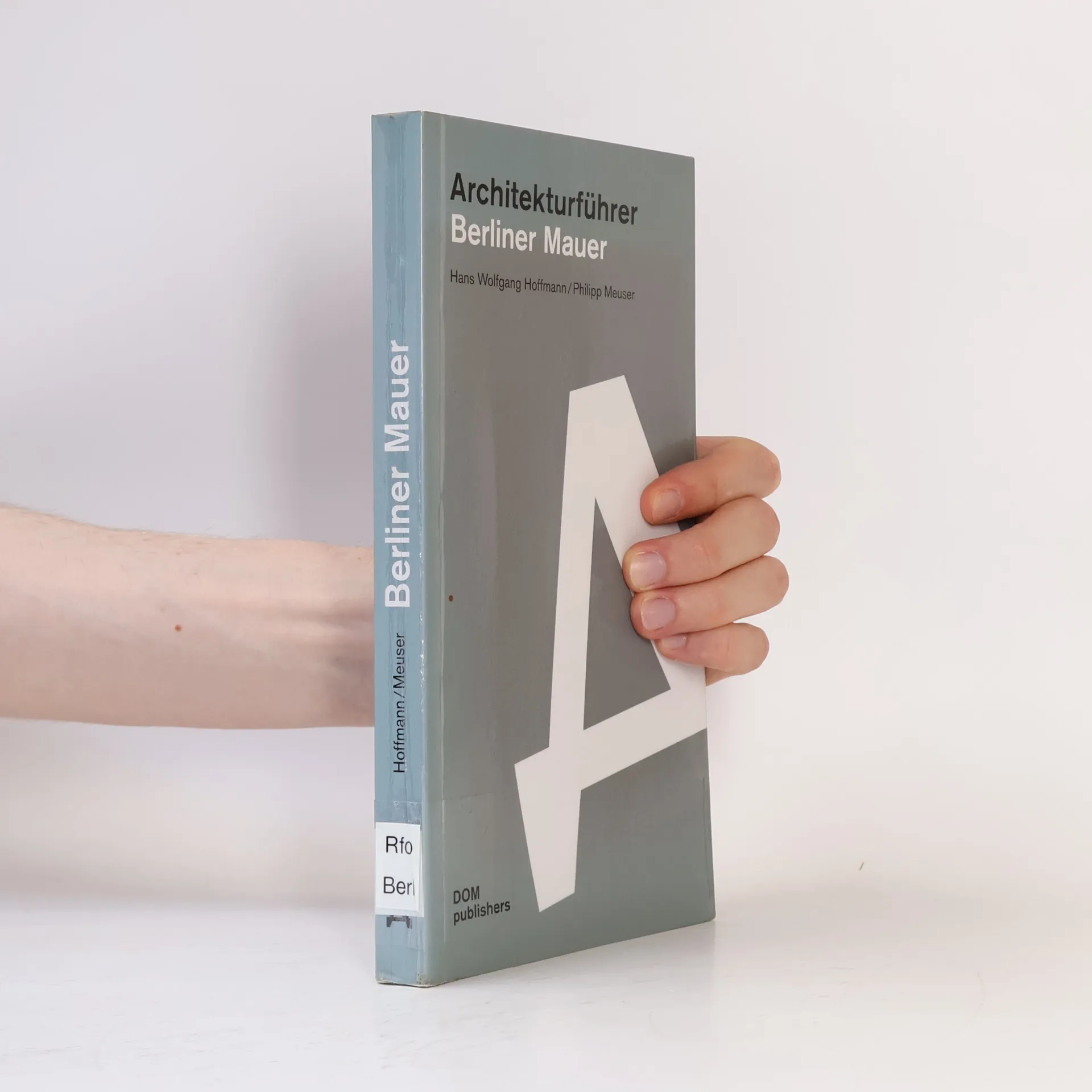
Kein Bauwerk steht mehr für die einstige politische Spaltung der Welt als die Berliner Mauer: als Symbol des Kalten Krieges, der Teilung von Ost und West sowie der Teilung einer Stadt, Berlin. Heute ist dieses Bauwerk, das über Jahrzehnte die geografische und politische Landkarte Deutschlands geprägt hat, aus dem Berliner Stadtbild nahezu verschwunden. Nur noch wenige verbliebene Segmente, als Denkmal konserviert, zeugen vom einstigen rigiden Grenzregime, das nicht nur in die Berliner Straßen und Bauten hineinreichte, sondern auch tief in das Leben der Deutschen eingriff.Hans Wolfgang Hoffmann und Philipp Meuser begeben sich auf Spurensuche und erzählen anhand verschiedener Schauplätze und Einzelschicksale die Geschichte der Berliner Mauer in Text, Foto und Informationsgrafiken – eine eindrückliche Dokumentation des Alltags im Brennpunkt des Kalten Krieges. Andreas Matschenz führt mit historischen Karten in die Geografie der Berliner Mauer ein.
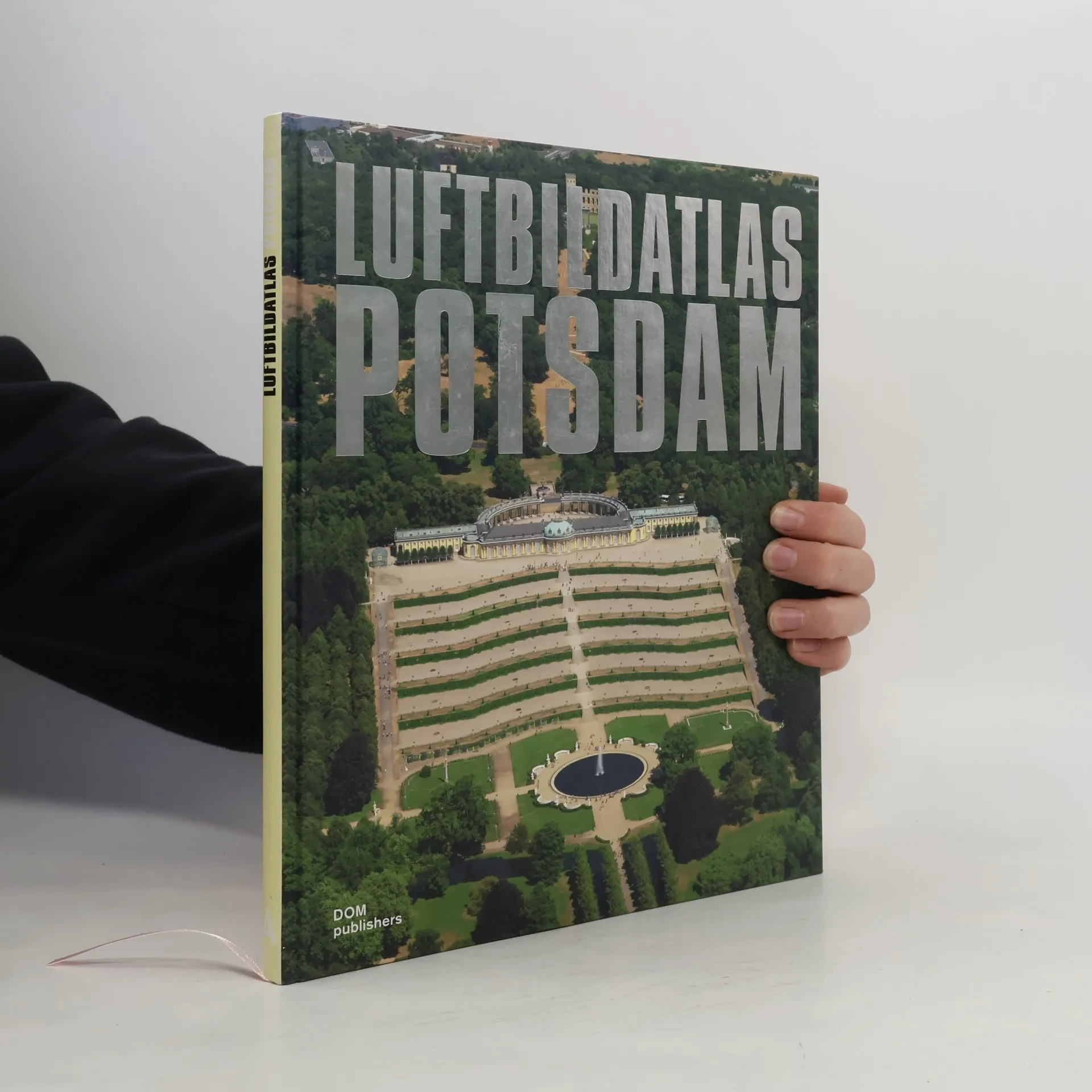
Dieser neue Band aus der Reihe „Luftbildatlas“ zeigt eindrucksvolle Panoramen der Stadt Potsdam und ihrer unmittelbaren Umgebung. Anhand von großformatigen Hochglanzaufnahmen verbunden mit hilfreichen Erläuterungen wird die Ausdehnung Potsdams von der historischen Mitte über die neueren Stadtteile bis hin zu den eingegliederten Gemeinden erfahrbar gemacht. Der Band versteht sich als eine Einladung zur Erkundung der ehemaligen preußischen Garnisonsstadt an der Havel aus einer bisher eher unbekannten Perspektive.
Die Publikation bietet einen systematischen Katalog über den industriellen Wohnungsbau in der DDR, beginnend mit dem ersten Plattenbau 1953. Sie beleuchtet historische Hintergründe, architektonische Merkmale und den baukulturellen Wert der Wohnungsbauserien, einschließlich Fassadendekorationen und Konstruktionsverfahren.