The Modern Library Classics: The Sea-Wolf
- 294 pages
- 11 hours of reading







Now a classic of true crime, Victim is a compelling and tragic look at how lives can be changed forever by a random act of violence. During an armed robbery, several hostages were brutally tortured, shot in the head, and left for dead. Victim focuses on the members of one family -- including a mother who died after the attack and a son who was left barely alive -- as they fought for his survival and struggled to rebuild their lives. Victim was the first book to go beyond the headlines and statistics about violent crime, to tell the victims' dramatic story of love, loss and courage. It remains one of the most influential books in the victims' rights movement and has become required reading in criminology courses across the country. It may be more relevant now than ever. "Victim is Truman Capote's In Cold Blood turned inside out." -- Newsweek; "Just as Capote did, Kinder has somehow created a story that is truer than true." -- The Atlanta Journal-Constitution
On the morning of November 20, 1820, in the Pacific Ocean, an enraged sperm whale rammed the Nantucket whaler Essex. As the boat began to sink, her crew of thirty had time only to collect some bread and water before pulling away in three frail open boats. Without charts, alone on the open seas, and thousands of miles from any known land, the sailors began their terrifying journey of survival. Ninety days later, after much suffering and death by starvation, intense heat, and dehydration, only eight men survived to reach land. One of them was Owen Chase, first mate of the ill-fated ship, whose account of the long and perilous journey has become a classic of endurance and human courage. The elements of his tale inspired Herman Melville (who was born the year the Essex sank) to write the classic Moby Dick. A gallant saga of the sea, this riveting narration of life and death, of man against the deep, will enthrall readers.
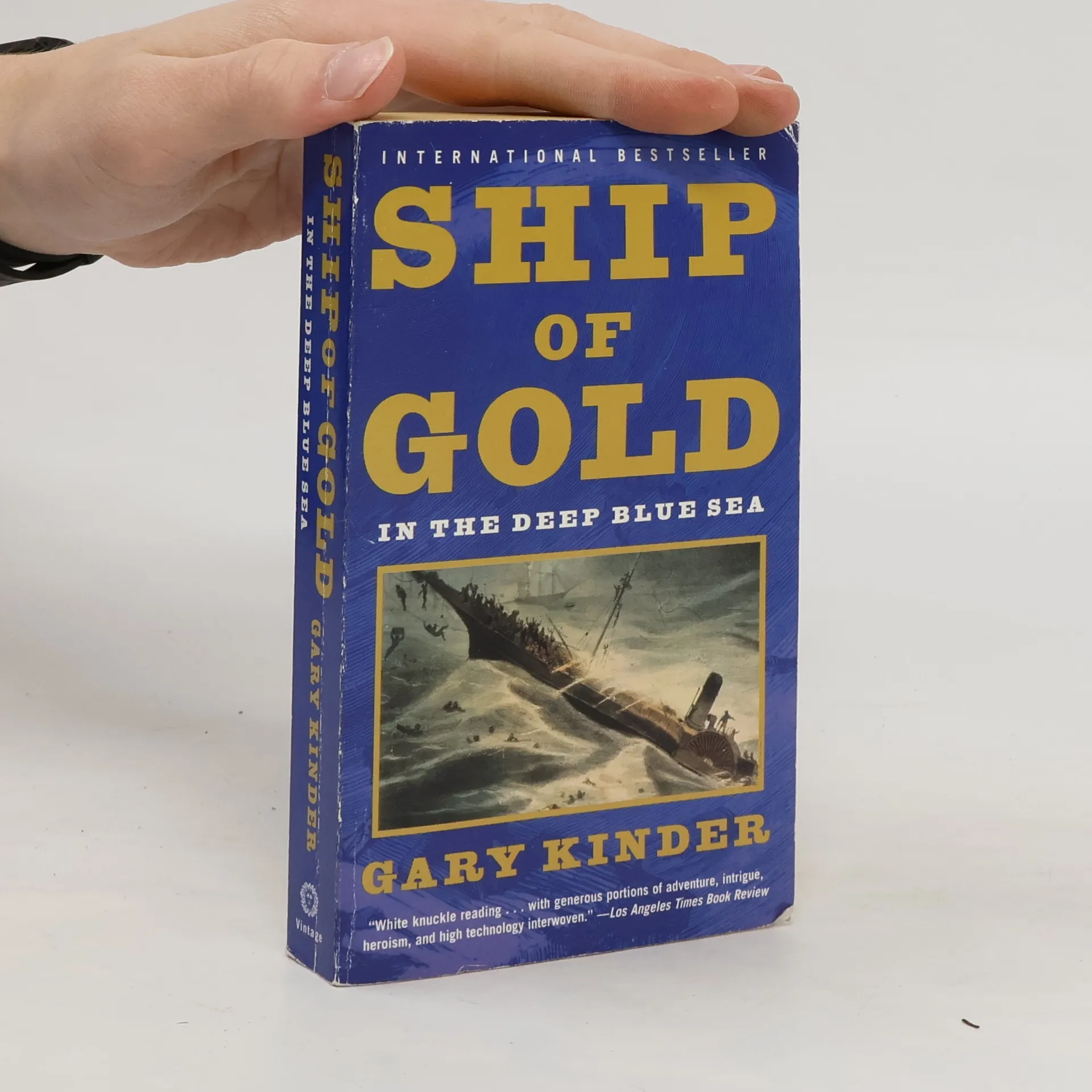
Ship of Gold tells the story of the sinking of the SS Central America, a side-wheel steamer carrying nearly six hundred passengers returning from the California Gold Rush, two hundred miles off the Carolina coast in September 1857. Over four hundred lives and twenty-one tons of California gold were lost. It was the worst peacetime disaster at sea in American history, a tragedy that remained lost in legend for over a century. In the 1980s, a young engineer from Ohio set out to do what no one, not even the United States Navy, had been able to do: establish a working presence on the deep-ocean floor and open it to science, archaeology, history, medicine, and recovery. The SS Central America became the target of his project. After years of intensive efforts, Tommy Thompson and the Columbus-America Discovery Group found the SS Central America in eight thousand feet of water, and in October 1989 they sailed into Norfolk with her recovered treasure: gold coins, bars, nuggets, and dust, plus steamer trunks filled with period clothes, newspapers, books, and journals. Gary Kinder tells this extraordinary tale of history, human drama, heroic rescue, scientific ingenuity, and individual courage.