

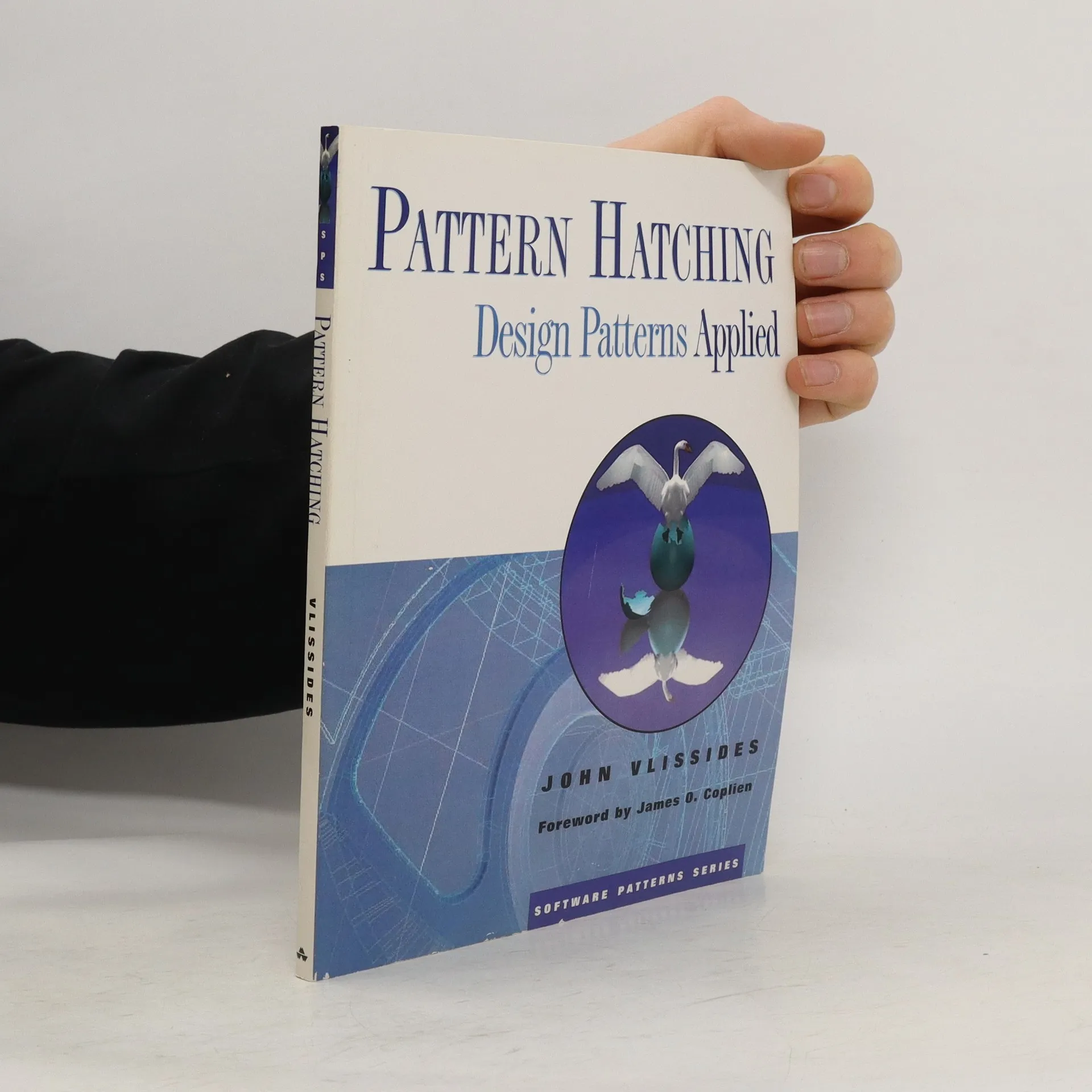
Software developers now recognize the value of design patterns in helping build better software more efficiently. As a result, design patterns have become extremely popular in the software development community. Pattern Hatching explains and enhances the information from the seminal work in the field, Design Elements of Reusable Object-Oriented Software. The hands-on approach offered by John Vlissides, co-author of Design Patterns, enables you to better understand the pattern development process, and therefore identify and write your own patterns. The author's insights will further allow you to apply the original 23 patterns by example.
John Vlissides Books
August 2, 1961 – November 24, 2005

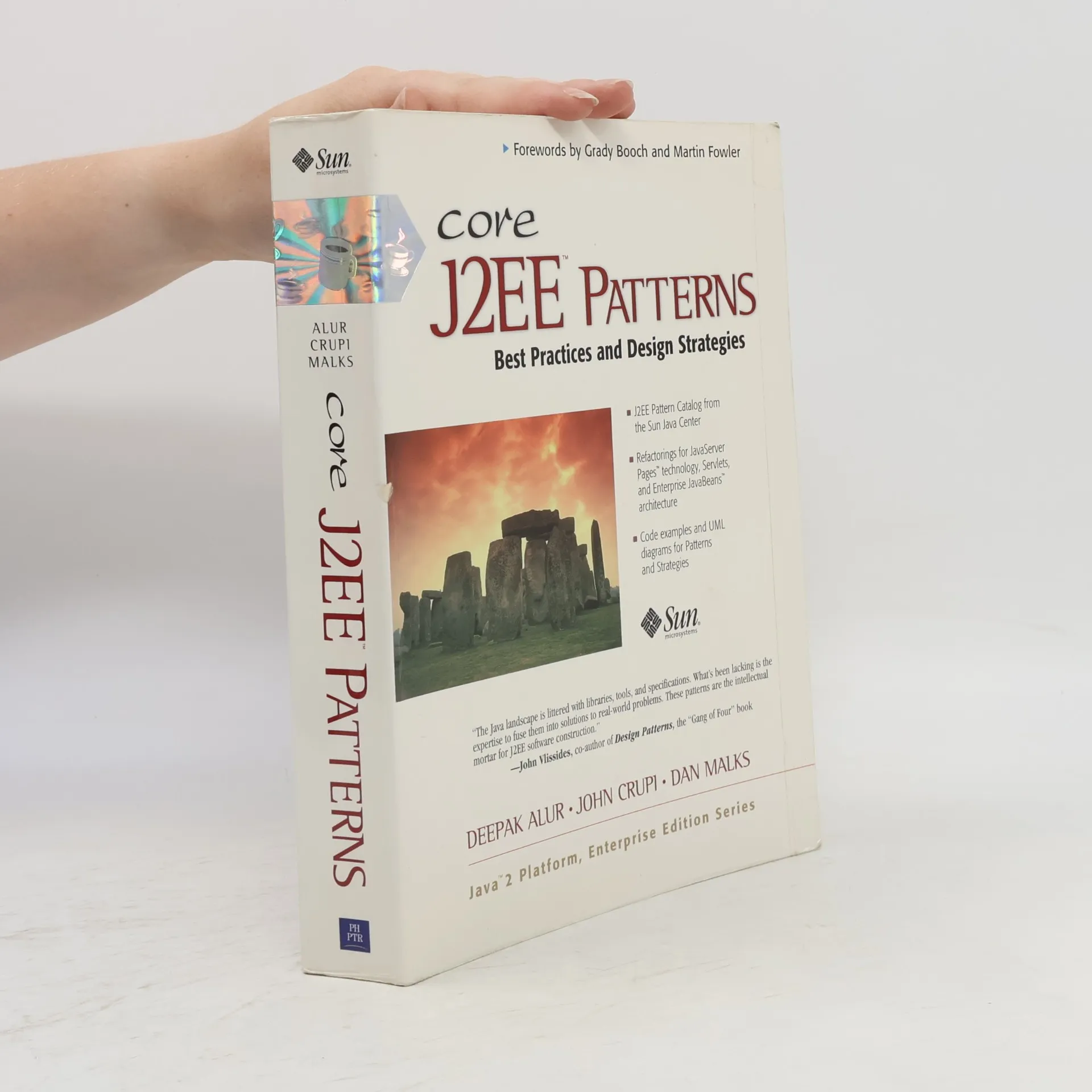
Over the last few years, Java 2 Platform, Enterprise Edition (J2EE) technology has emerged and matured as a standard platform for building enterprise applications. While the platform has matured into a solid offering for developing and deploying enterprise applications, it does offer its challenges. As developers, often we confuse learning the technology with learning to design with the technology. In this book, senior architects from the Sun Java Center, Suns Java consulting organization share with the reader their cumulative design experience with and expertise on J2EE technology.The primary focus of the book is on patterns, best practices, design strategies, and proven solutions using the key J2EE technologies including JavaServer Pages (JSP), Servlets, Enterprise Java Beans (EJB), and Java Message Service (J.M.S) API. Other ancillary technologies like JDBC and JNDI are also discussed as relevant to their usage in these patterns. The J2EE Patterns catalog with 16 patterns and numerous strategies is presented to document and promote best practices for these technologies.In addition to the patterns and strategies, the book offers the following: *Presents various design strategies
Wzorce projektowe
Elementy oprogramowania obiektowego wielokrotnego użytku
- 376 pages
- 14 hours of reading
Wzorce projektowe. Elementy oprogramowania obiektowego wielokrotnego uzytku
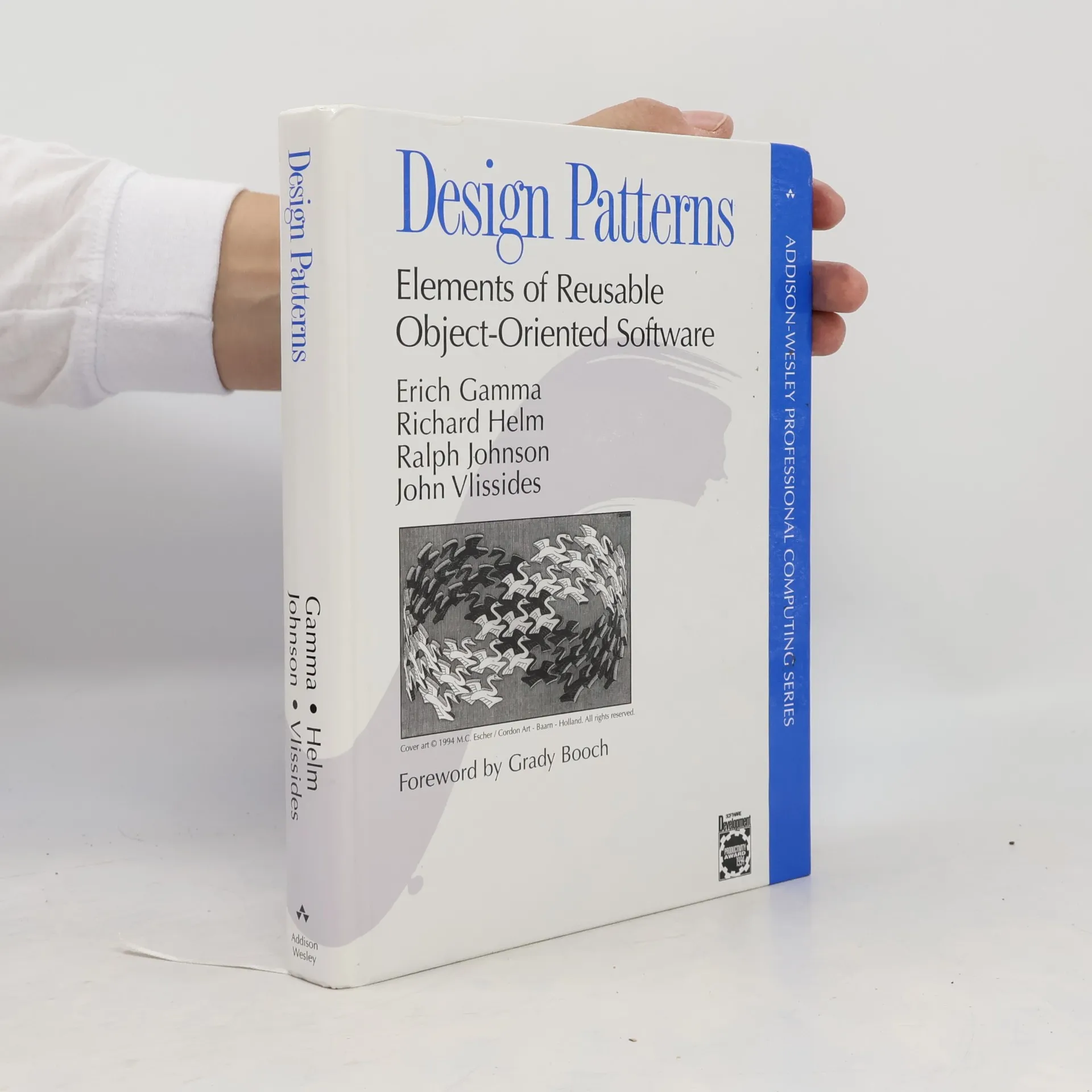
Capturing a wealth of experience about the design of object-oriented software, four top-notch designers present a catalog of simple and succinct solutions to commonly occurring design problems. Previously undocumented, these 23 patterns allow designers to create more flexible, elegant, and ultimately reusable designs without having to rediscover the design solutions themselves.The authors begin by describing what patterns are and how they can help you design object-oriented software. They then go on to systematically name, explain, evaluate, and catalog recurring designs in object-oriented systems. With Design Patterns as your guide, you will learn how these important patterns fit into the software development process, and how you can leverage them to solve your own design problems most efficiently. Each pattern describes the circumstances in which it is applicable, when it can be applied in view of other design constraints, and the consequences and trade-offs of using the pattern within a larger design. All patterns are compiled from real systems and are based on real-world examples. Each pattern also includes code that demonstrates how it may be implemented in object-oriented programming languages like C++ or Smalltalk.