

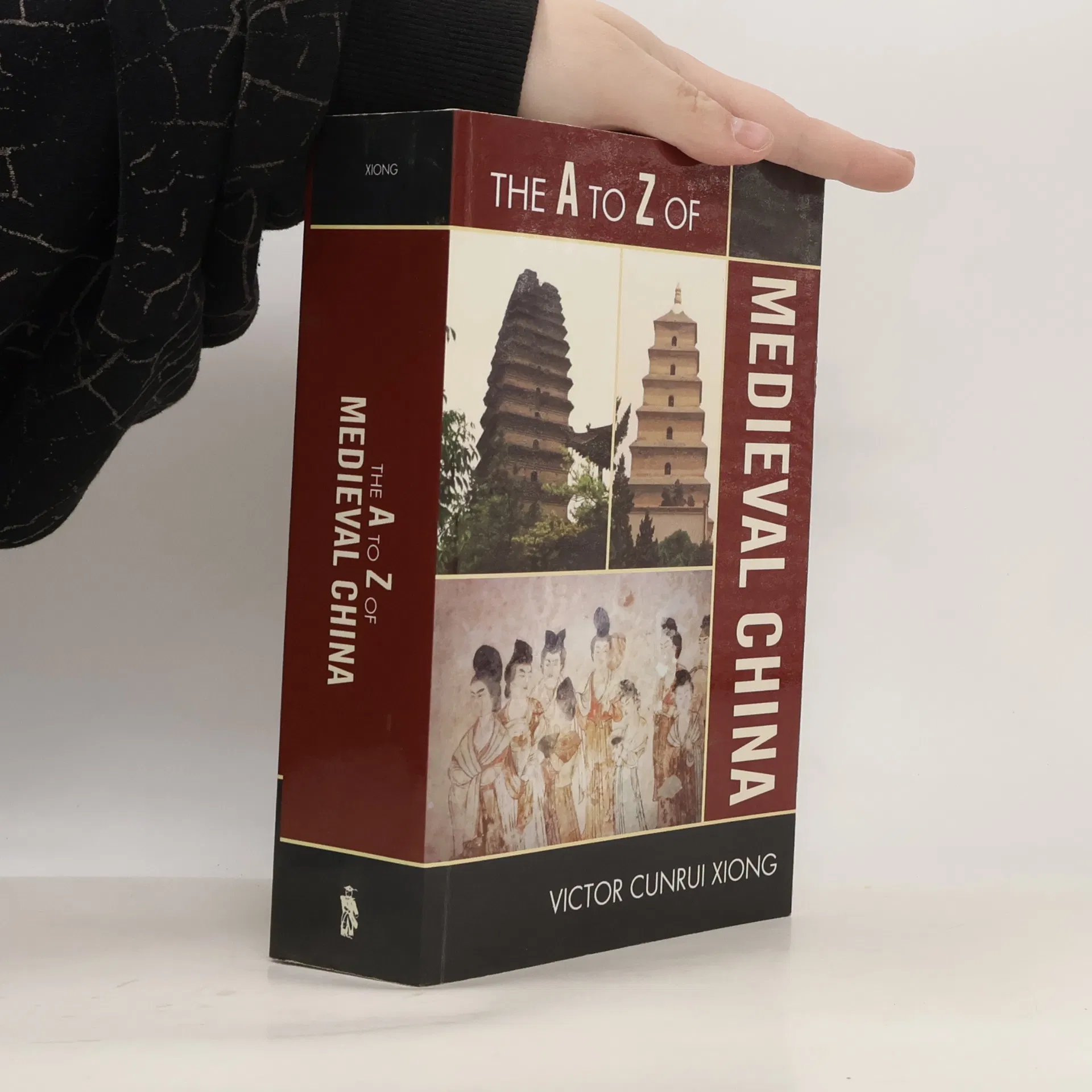
The A to Z Guide Series - 148: The A to Z of Medieval China
Authors
More about the book
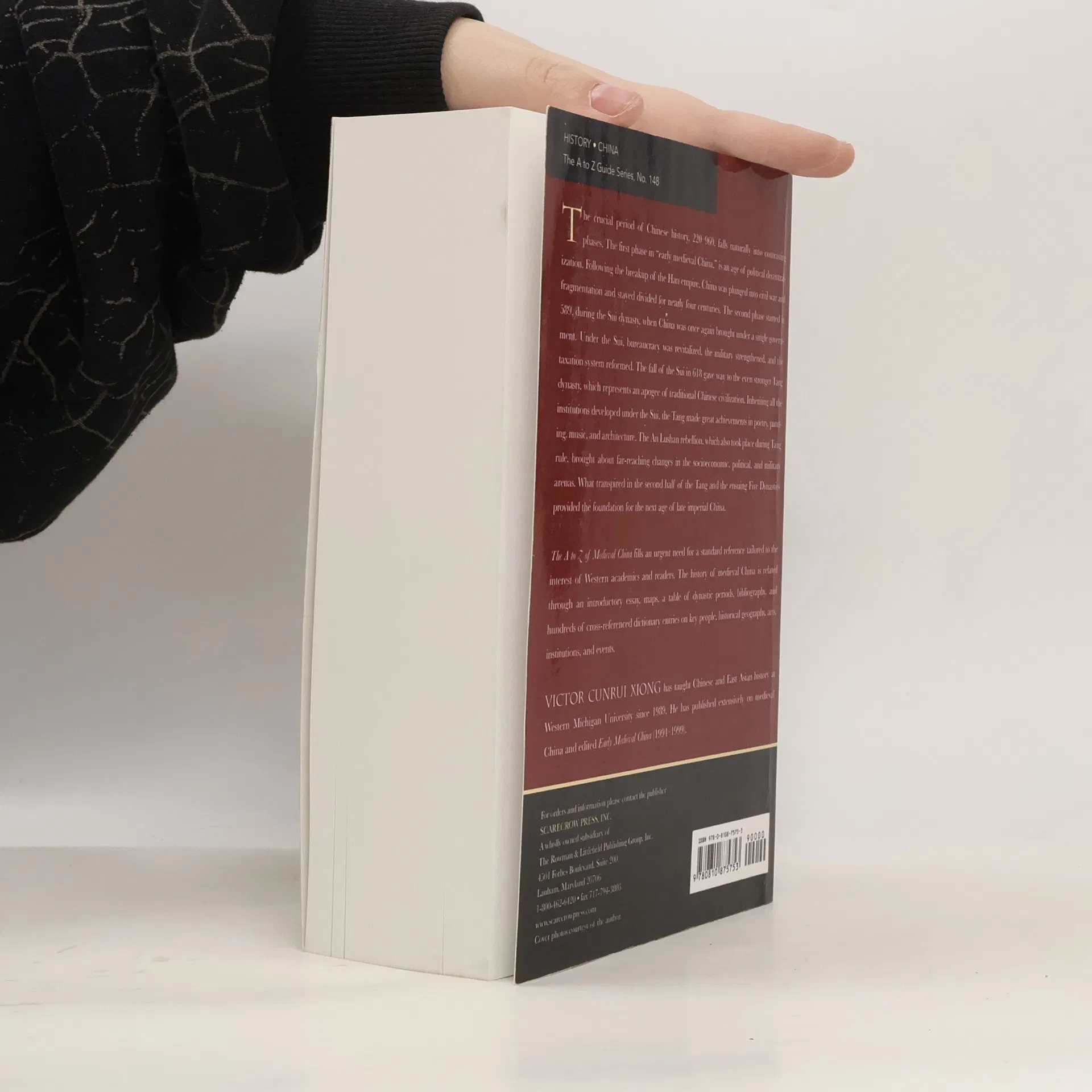
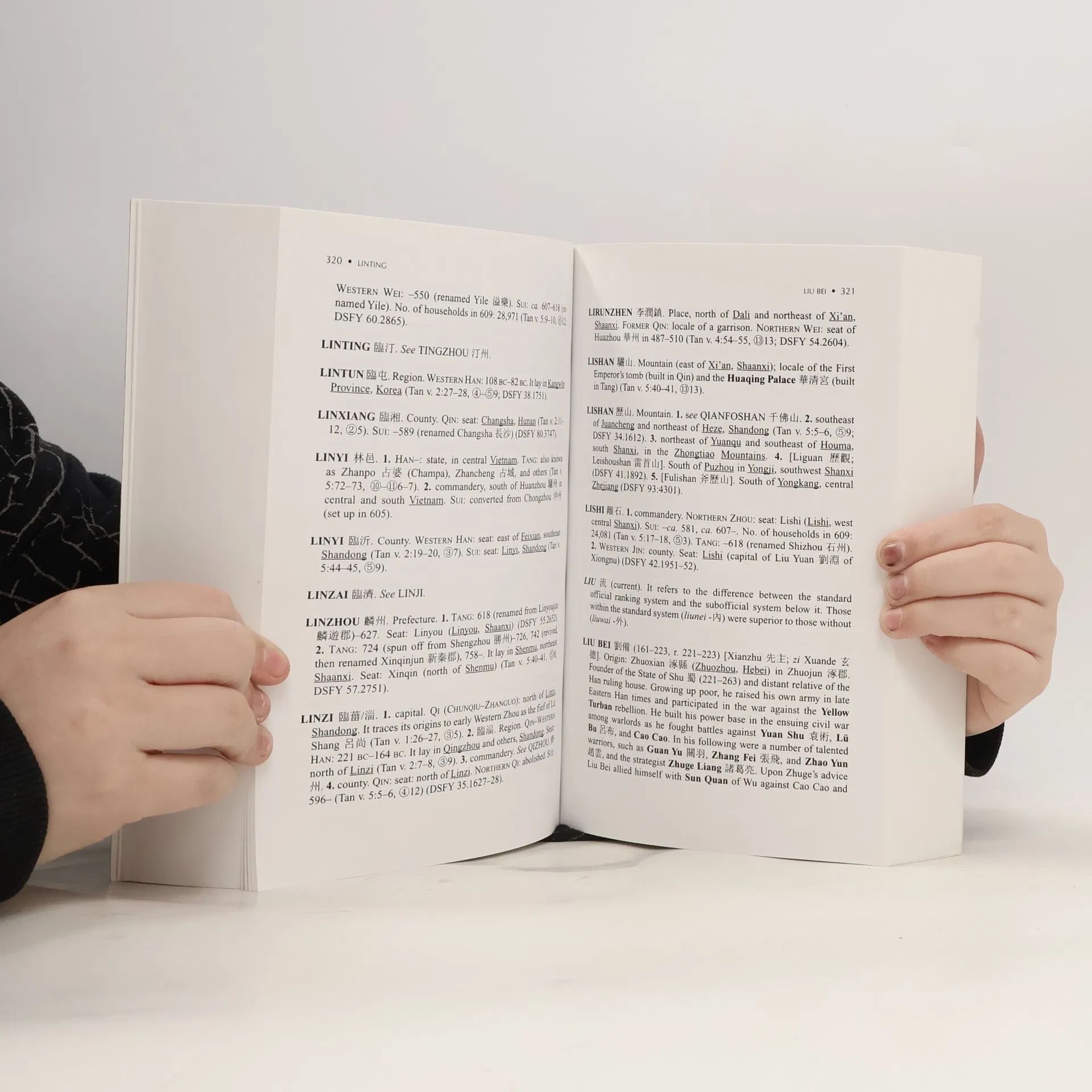
The crucial period of Chinese history from 220 to 960 can be divided into two contrasting phases. The first phase, known as "early medieval China," was marked by political decentralization following the Han empire's breakup, leading to nearly four centuries of civil war and fragmentation. The second phase began in 589 with the Sui dynasty, which unified China under a single government. The Sui revitalized the bureaucracy, strengthened the military, and reformed the taxation system. The fall of the Sui in 618 ushered in the Tang dynasty, a peak of traditional Chinese civilization that built upon the Sui's institutions and achieved remarkable advancements in poetry, painting, music, and architecture. The An Lushan rebellion during the Tang period initiated significant changes across socioeconomic, political, and military spheres. The developments in the latter half of the Tang and the subsequent Five Dynasties laid the groundwork for the next era of late imperial China. This reference work addresses the need for a comprehensive resource for Western academics and readers, presenting medieval China's history through an introductory essay, maps, a table of Dynastic Periods, a bibliography, and hundreds of cross-referenced entries on key figures, geography, arts, institutions, events, and essential terms.
Book purchase
The A to Z Guide Series - 148: The A to Z of Medieval China, Victor Cunrui Xiong
- Language

- Released
- 2010
- Binding
- (Paperback),
- Book condition
- Very Good
- Price
- €23.39
Payment methods
No one has rated yet.
- Title
- The A to Z Guide Series - 148: The A to Z of Medieval China
- Language
- English
- Authors
- Victor Cunrui Xiong
- Publisher
- Scarecrow Press
- Released
- 2010
- Format
- Paperback
- Pages
- 854
- ISBN10
- 0810875756
- ISBN13
- 9780810875753
- Series
- Description
- The crucial period of Chinese history from 220 to 960 can be divided into two contrasting phases. The first phase, known as "early medieval China," was marked by political decentralization following the Han empire's breakup, leading to nearly four centuries of civil war and fragmentation. The second phase began in 589 with the Sui dynasty, which unified China under a single government. The Sui revitalized the bureaucracy, strengthened the military, and reformed the taxation system. The fall of the Sui in 618 ushered in the Tang dynasty, a peak of traditional Chinese civilization that built upon the Sui's institutions and achieved remarkable advancements in poetry, painting, music, and architecture. The An Lushan rebellion during the Tang period initiated significant changes across socioeconomic, political, and military spheres. The developments in the latter half of the Tang and the subsequent Five Dynasties laid the groundwork for the next era of late imperial China. This reference work addresses the need for a comprehensive resource for Western academics and readers, presenting medieval China's history through an introductory essay, maps, a table of Dynastic Periods, a bibliography, and hundreds of cross-referenced entries on key figures, geography, arts, institutions, events, and essential terms.