

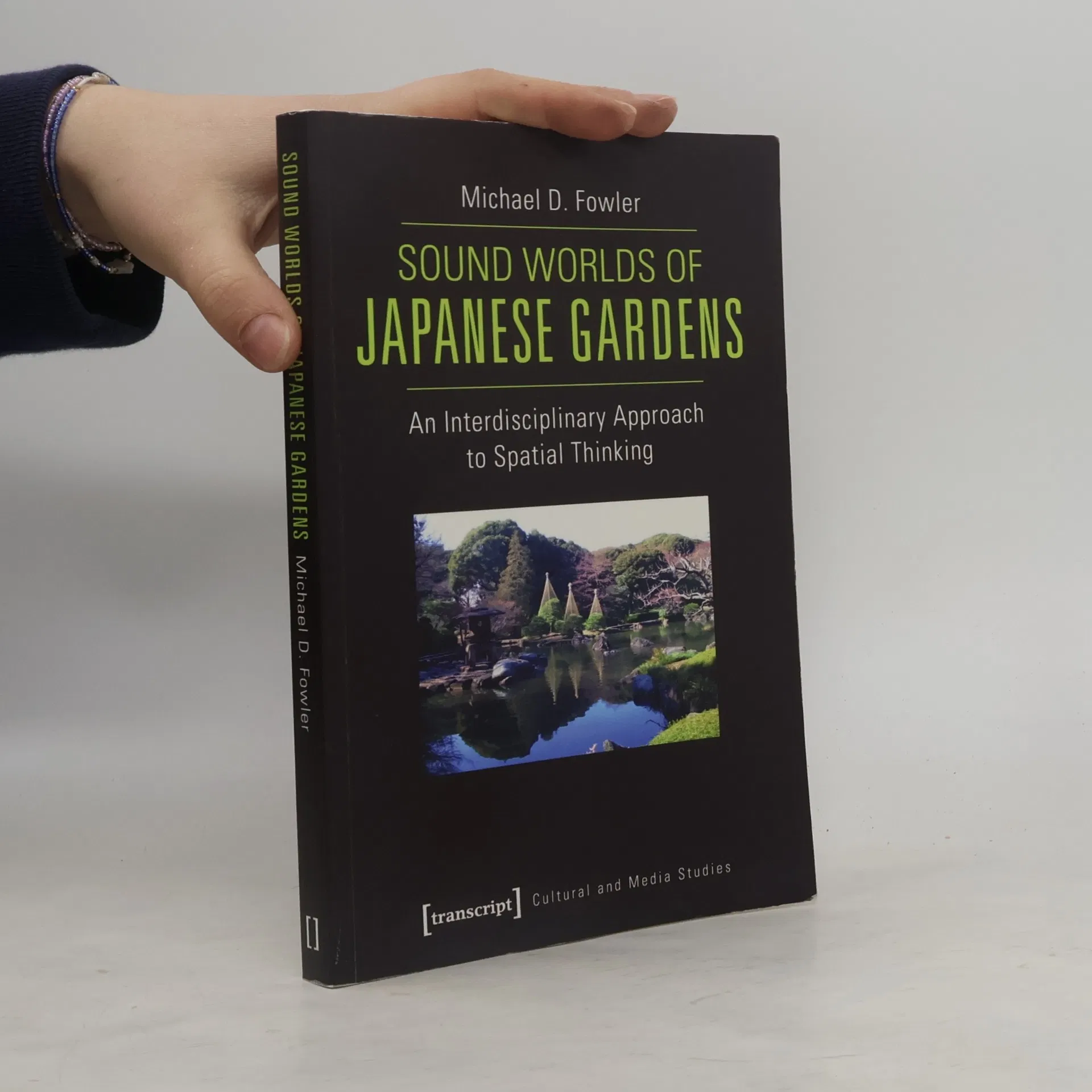
Cultural and Media Studies: Sound Worlds of Japanese Gardens
An Interdisciplinary Approach to Spatial Thinking
Authors
Parameters
- 250 pages
- 9 hours of reading
More about the book
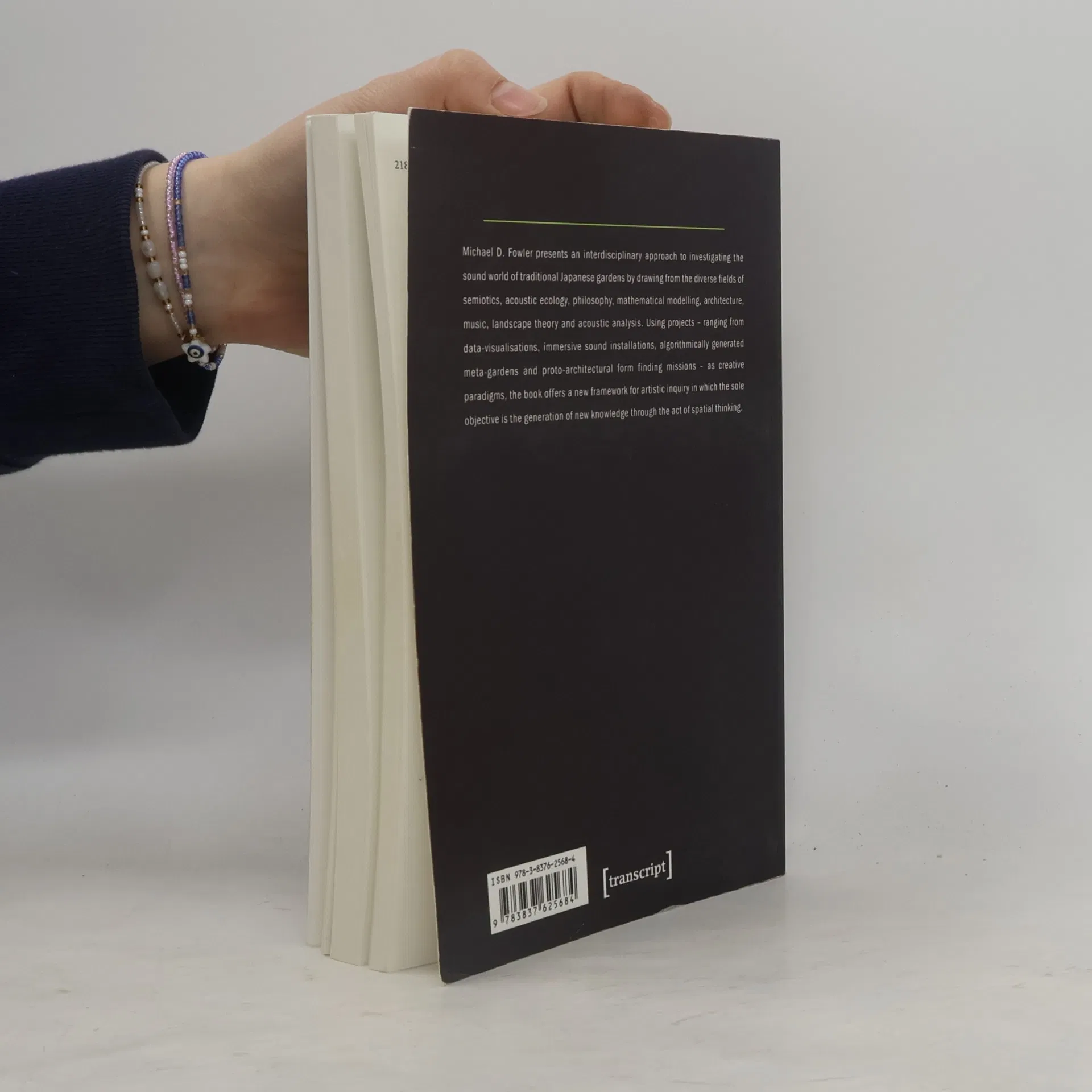
Michael D. Fowler presents an interdisciplinary approach to investigating the sound world of traditional Japanese gardens by drawing from the diverse fields of semiotics, acoustic ecology, philosophy, mathematical modelling, architecture, music, landscape theory and acoustic analysis. Using projects - ranging from data-visualisations, immersive sound installations, algorithmically generated meta-gardens and proto-architectural form finding missions - as creative paradigms, the book offers a new framework for artistic inquiry in which the sole objective is the generation of new knowledge through the act of spatial thinking.
Book purchase
Cultural and Media Studies: Sound Worlds of Japanese Gardens, Michael D. Fowler
- Language

- Released
- 2014
- Binding
- (Paperback),
- Book condition
- Very Good
- Price
- €39.89
Payment methods
No one has rated yet.
- Title
- Cultural and Media Studies: Sound Worlds of Japanese Gardens
- Subtitle
- An Interdisciplinary Approach to Spatial Thinking
- Language
- English
- Authors
- Michael D. Fowler
- Publisher
- transcript Verlag
- Released
- 2014
- Format
- Paperback
- Pages
- 250
- ISBN10
- 3837625680
- ISBN13
- 9783837625684
- Series
- Categories
- Tags
- Historical Themes, Nature, Philosophical Topics, Art, Music Theme, Architecture, USA, Space, Culture and Society, History of Art, Japan, Asia, Political Theories, Popular Culture, Civil Law, History of Music, Decorative Arts, Musicology, Sound, Sociology of Culture, Japanese Gardens
- Description
- Michael D. Fowler presents an interdisciplinary approach to investigating the sound world of traditional Japanese gardens by drawing from the diverse fields of semiotics, acoustic ecology, philosophy, mathematical modelling, architecture, music, landscape theory and acoustic analysis. Using projects - ranging from data-visualisations, immersive sound installations, algorithmically generated meta-gardens and proto-architectural form finding missions - as creative paradigms, the book offers a new framework for artistic inquiry in which the sole objective is the generation of new knowledge through the act of spatial thinking.