

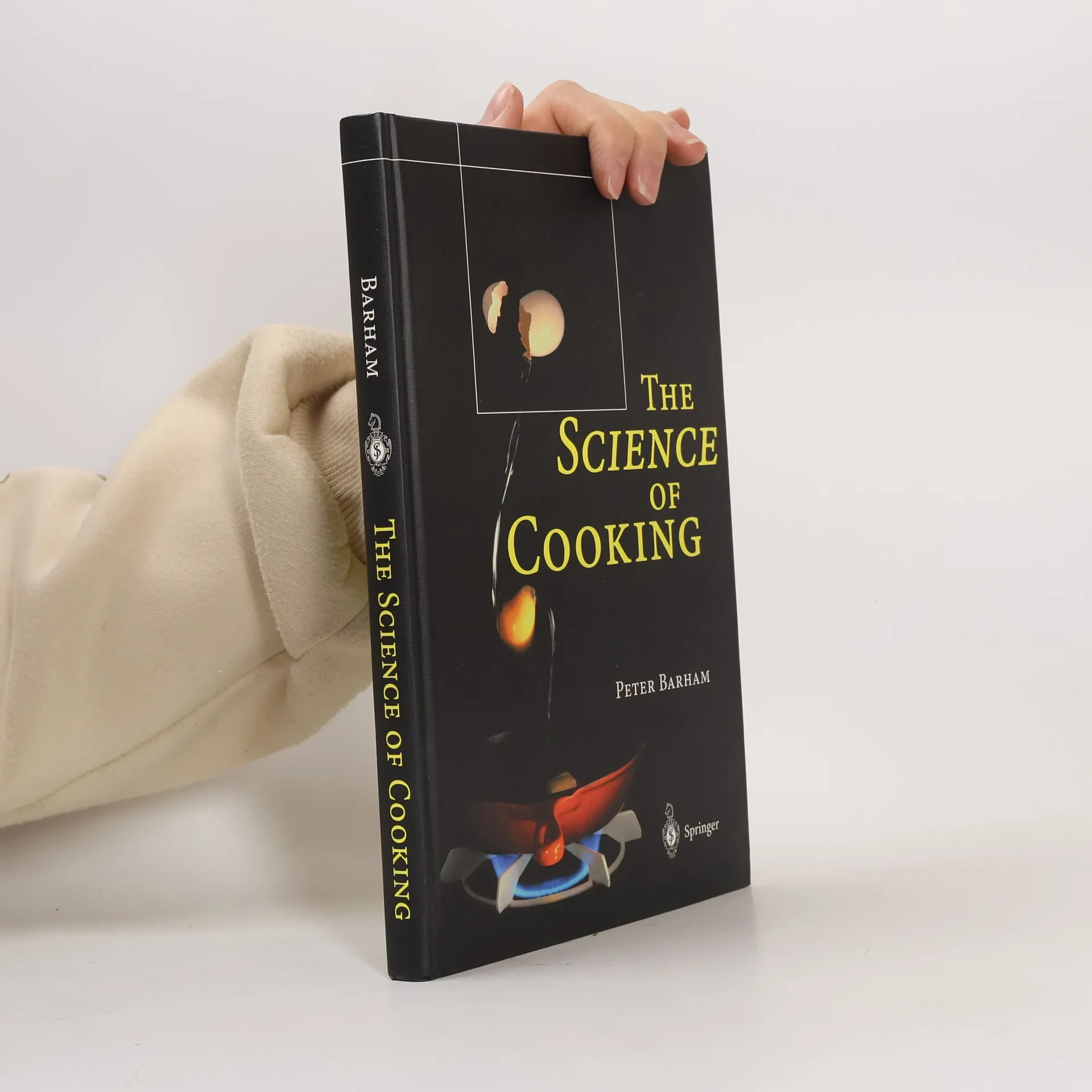
More about the book
A kitchen operates much like a science laboratory, making cookery an experimental science. Food preparation involves processes well-explained by physical sciences, and understanding the chemistry and physics of cooking can enhance kitchen performance. For those curious about why certain recipes succeed while others fail, grasping the underlying physical processes can demystify the art of cooking. Reviewers praise the book for its stimulating insights for amateur cooks interested in both following recipes and understanding their workings. It features anecdotes and scientific information, making it an enjoyable read that invites readers to explore the science behind cooking. The author presents principles of taste, flavor, and food preparation methods in a clear, accessible manner, alongside fool-proof recipes ranging from roast leg of lamb to chocolate soufflé. The text is rich with relevant facts that clarify cooking techniques affecting texture, taste, and aroma. Each chapter begins with an overview of scientific issues related to specific food groups, followed by recipes that explain the purpose of each ingredient and technique. Common problems, their causes, and solutions are also addressed, concluding with suggested experiments to illustrate the scientific principles discussed.
Language

Publication

Book purchase
The science of cooking, Peter Barham
- Language

- Released
- 2000
- Binding
- (Hardcover)
Payment methods
We’re missing your review here.
- Title
- The science of cooking
- Language
- English
- Authors
- Peter Barham
- Publisher
- Springer
- Released
- 2000
- Format
- Hardcover
- Pages
- 244
- ISBN10
- 3540674667
- ISBN13
- 9783540674665
- Series
- Categories
- Original title
- The science of cooking
- Rating
- 3.95 out of 5
- Description
- A kitchen operates much like a science laboratory, making cookery an experimental science. Food preparation involves processes well-explained by physical sciences, and understanding the chemistry and physics of cooking can enhance kitchen performance. For those curious about why certain recipes succeed while others fail, grasping the underlying physical processes can demystify the art of cooking. Reviewers praise the book for its stimulating insights for amateur cooks interested in both following recipes and understanding their workings. It features anecdotes and scientific information, making it an enjoyable read that invites readers to explore the science behind cooking. The author presents principles of taste, flavor, and food preparation methods in a clear, accessible manner, alongside fool-proof recipes ranging from roast leg of lamb to chocolate soufflé. The text is rich with relevant facts that clarify cooking techniques affecting texture, taste, and aroma. Each chapter begins with an overview of scientific issues related to specific food groups, followed by recipes that explain the purpose of each ingredient and technique. Common problems, their causes, and solutions are also addressed, concluding with suggested experiments to illustrate the scientific principles discussed.