

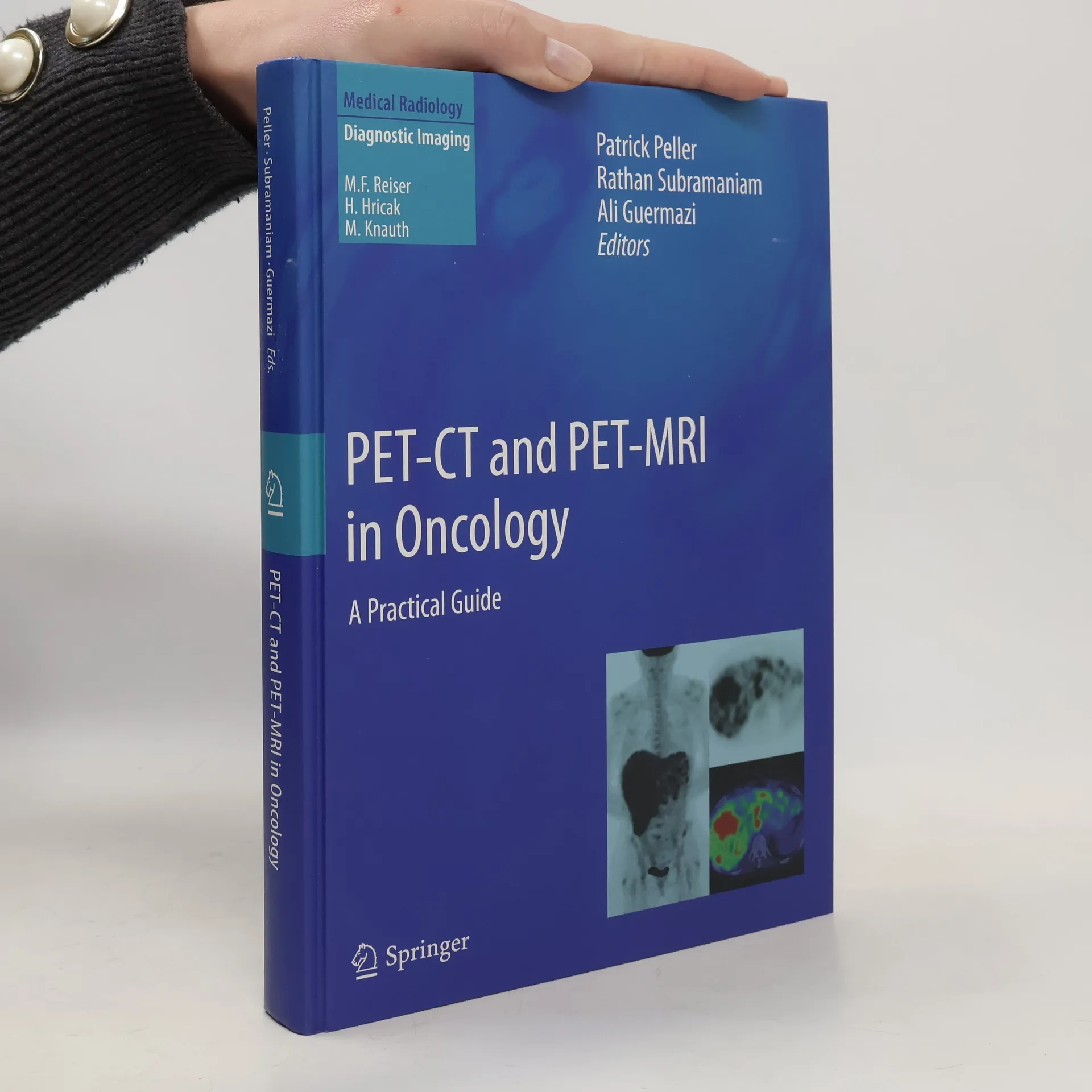
More about the book
Over the past decade, PET-CT has achieved great success owing to its ability to simultaneously image structure and function, and show how the two are related. More recently, PET-MRI has also been developed, and it represents an exciting novel option that promises to have applications in oncology as well as neurology. The first part of this book discusses the basics of these dual-modality techniques, including the scanners themselves, radiotracers, scan performance, quantitation, and scan interpretation. As a result, the reader will learn how to perform the techniques to maximum benefit. The second part of the book then presents in detail the PET-CT and PET-MRI findings in cancers of the different body systems. The final two chapters address the use of PET/CT in radiotherapy planning and examine areas of controversy. The authors are world-renowned experts from North America, Europe, and Australia, and the lucid text is complemented by numerous high-quality illustrations.


Book purchase
PET-CT and PET-MRI in oncology, Patrick Peller
- Language

- Released
- 2012
- Binding
- (Hardcover)
Payment methods
No one has rated yet.
- Title
- PET-CT and PET-MRI in oncology
- Language
- English
- Authors
- Patrick Peller
- Publisher
- Springer
- Released
- 2012
- Format
- Hardcover
- Pages
- 435
- ISBN10
- 3642011381
- ISBN13
- 9783642011382
- Series
- Categories
- Description
- Over the past decade, PET-CT has achieved great success owing to its ability to simultaneously image structure and function, and show how the two are related. More recently, PET-MRI has also been developed, and it represents an exciting novel option that promises to have applications in oncology as well as neurology. The first part of this book discusses the basics of these dual-modality techniques, including the scanners themselves, radiotracers, scan performance, quantitation, and scan interpretation. As a result, the reader will learn how to perform the techniques to maximum benefit. The second part of the book then presents in detail the PET-CT and PET-MRI findings in cancers of the different body systems. The final two chapters address the use of PET/CT in radiotherapy planning and examine areas of controversy. The authors are world-renowned experts from North America, Europe, and Australia, and the lucid text is complemented by numerous high-quality illustrations.