




More about the book
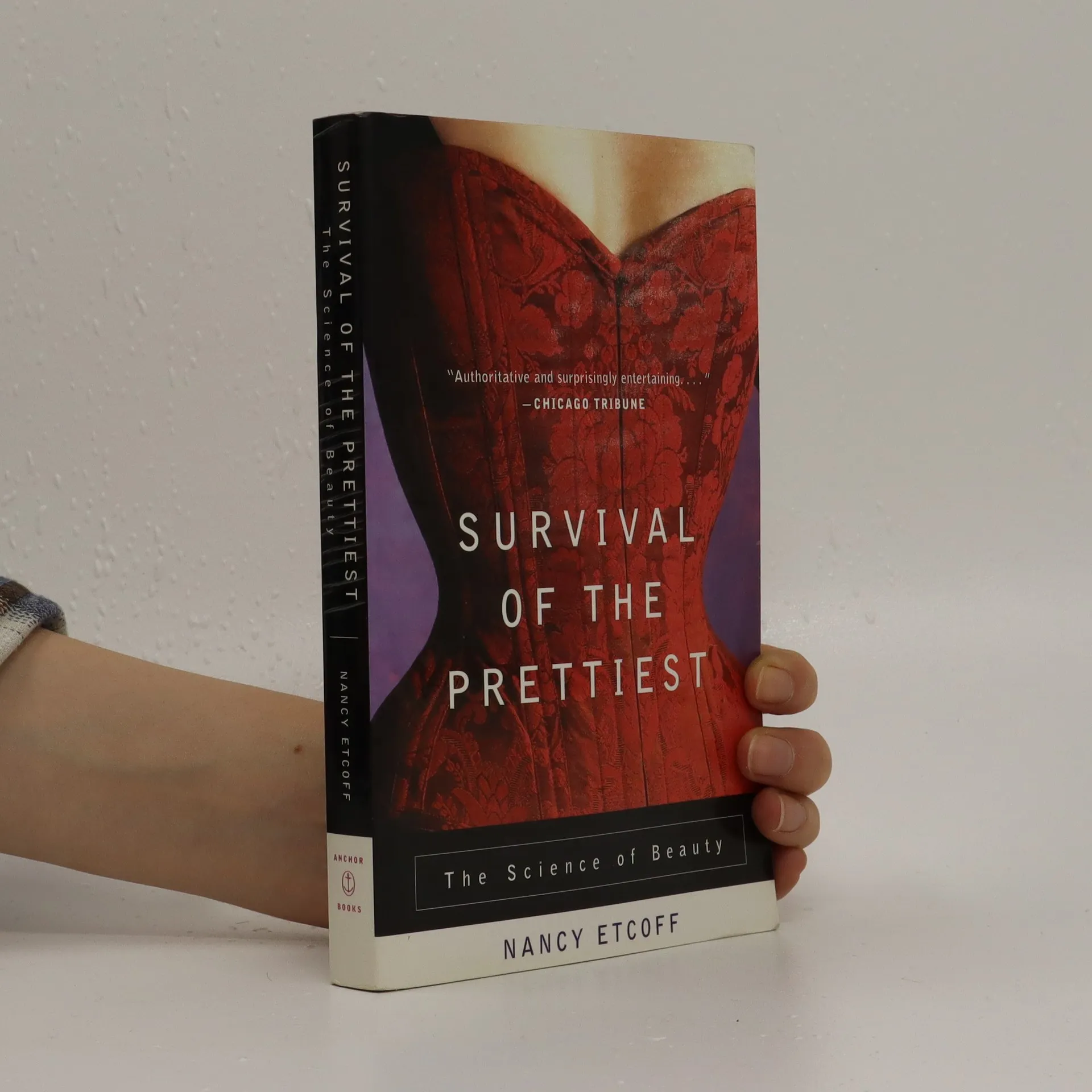
A provocative and thoroughly researched inquiry into what we find beautiful and why, skewering the myth that the pursuit of beauty is a learned behavior. In Survival of the Prettiest, Nancy Etcoff, a faculty member at Harvard Medical School and a practicing psychologist at Massachusetts General Hospital, argues that beauty is neither a cultural construction, an invention of the fashion industry, nor a backlash against feminism—it’s in our biology. Beauty, she explains, is an essential and ineradicable part of human nature that is revered and ferociously pursued in nearly every civilization—and for good reason. Those features to which we are most attracted are often signals of fertility and fecundity. When seen in the context of a Darwinian struggle for survival, our sometimes extreme attempts to attain beauty—both to become beautiful ourselves and to acquire an attractive partner—suddenly become much more understandable. Moreover, if we understand how the desire for beauty is innate, then we can begin to work in our own interests, and not just the interests of our genetic tendencies.

Book purchase
Survival of the Prettiest, Nancy L. Etcoff
- Language

- Released
- 2000
- Binding
- (Paperback)
Payment methods
We’re missing your review here.
- Title
- Survival of the Prettiest
- Language
- English
- Authors
- Nancy L. Etcoff
- Publisher
- Anchor
- Released
- 2000
- Format
- Paperback
- Pages
- 336
- ISBN10
- 0385479425
- ISBN13
- 9780385479424
- Series
- Categories
- Rating
- 3.8 out of 5
- Description
- A provocative and thoroughly researched inquiry into what we find beautiful and why, skewering the myth that the pursuit of beauty is a learned behavior. In Survival of the Prettiest, Nancy Etcoff, a faculty member at Harvard Medical School and a practicing psychologist at Massachusetts General Hospital, argues that beauty is neither a cultural construction, an invention of the fashion industry, nor a backlash against feminism—it’s in our biology. Beauty, she explains, is an essential and ineradicable part of human nature that is revered and ferociously pursued in nearly every civilization—and for good reason. Those features to which we are most attracted are often signals of fertility and fecundity. When seen in the context of a Darwinian struggle for survival, our sometimes extreme attempts to attain beauty—both to become beautiful ourselves and to acquire an attractive partner—suddenly become much more understandable. Moreover, if we understand how the desire for beauty is innate, then we can begin to work in our own interests, and not just the interests of our genetic tendencies.