

More about the book
Ranging from one-page fantasies to novella-length studies of everyday existence, The Walk reveals the irresistible genius of one of the twentieth century's greatest writers. Under-appreciated even in his own lifetime, Robert Walser has nonetheless been recognised by such writers as W.G. Sebald, Susan Sontag, Franz Kafka, Herman Hesse and J.M. Coetzee. Like Kafka and Sebald, Walser wrote about the solitude and unease of human existence. Honest, wry and idiosyncratic, his stories are snapshots of the lives great artists, poor young men, beautiful women and talking animals alike. Ranging from the realist to the allegorical, the short fiction collected in this volume demonstrates Walser's uncanny ability to capture both life's strangeness and its small joys.


Book purchase
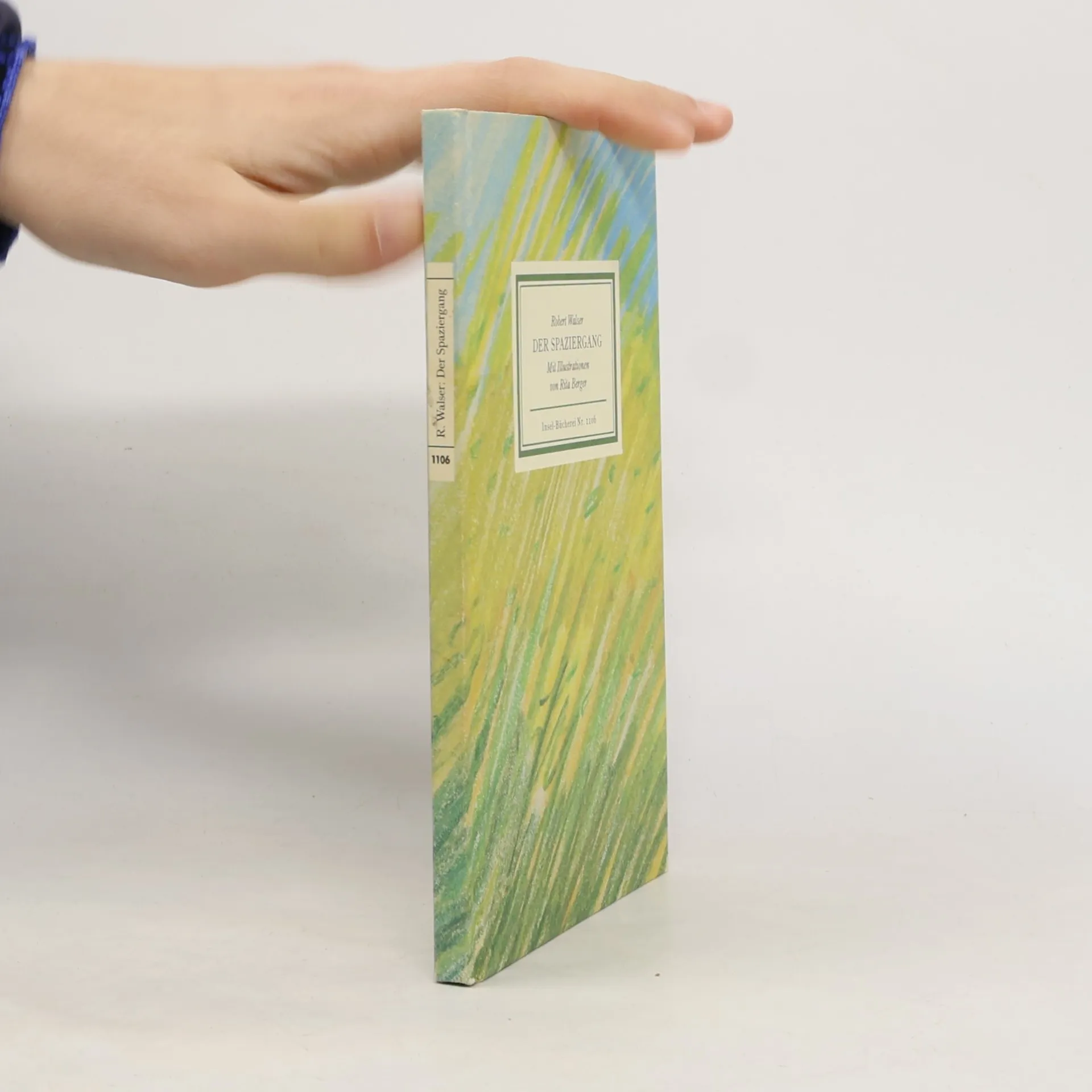
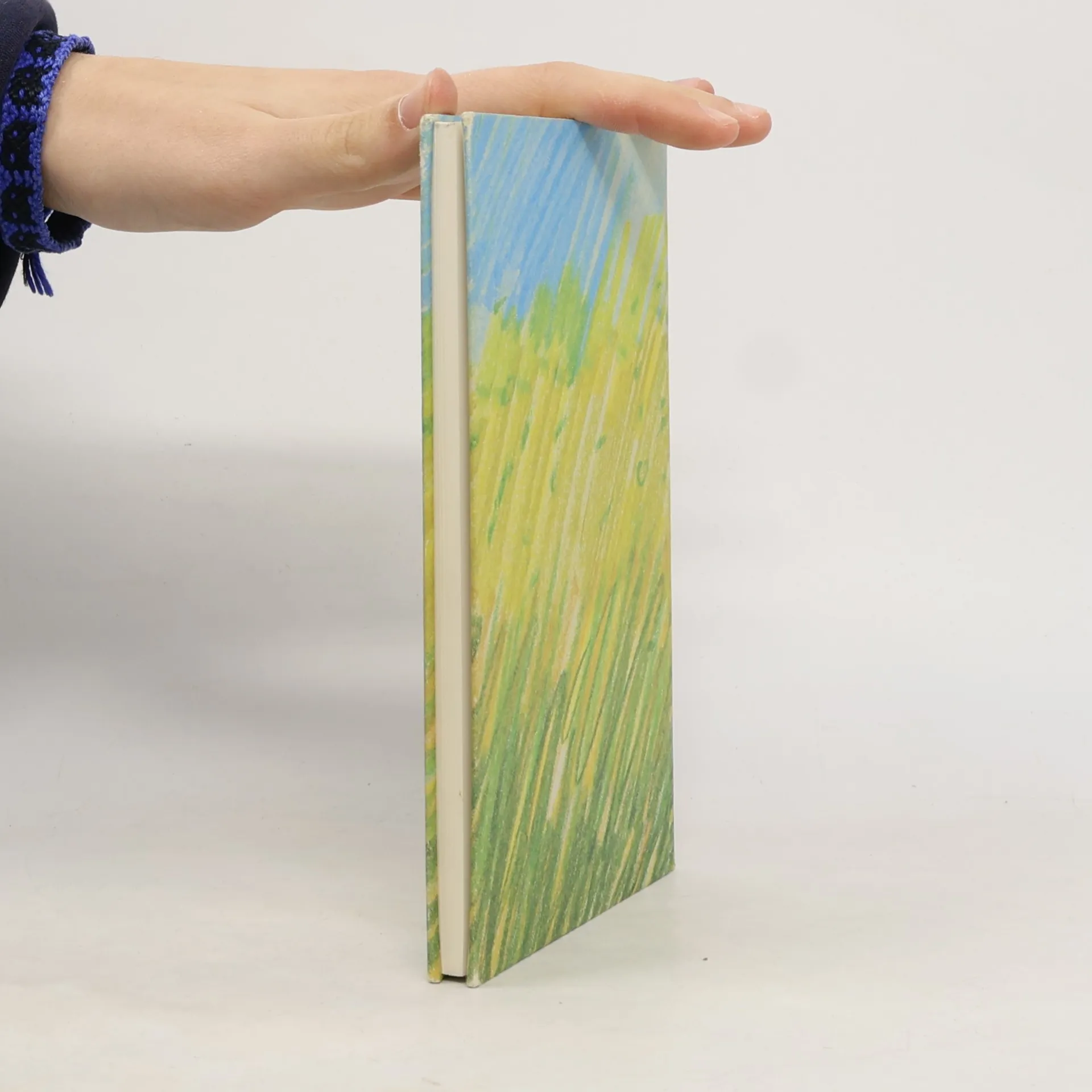
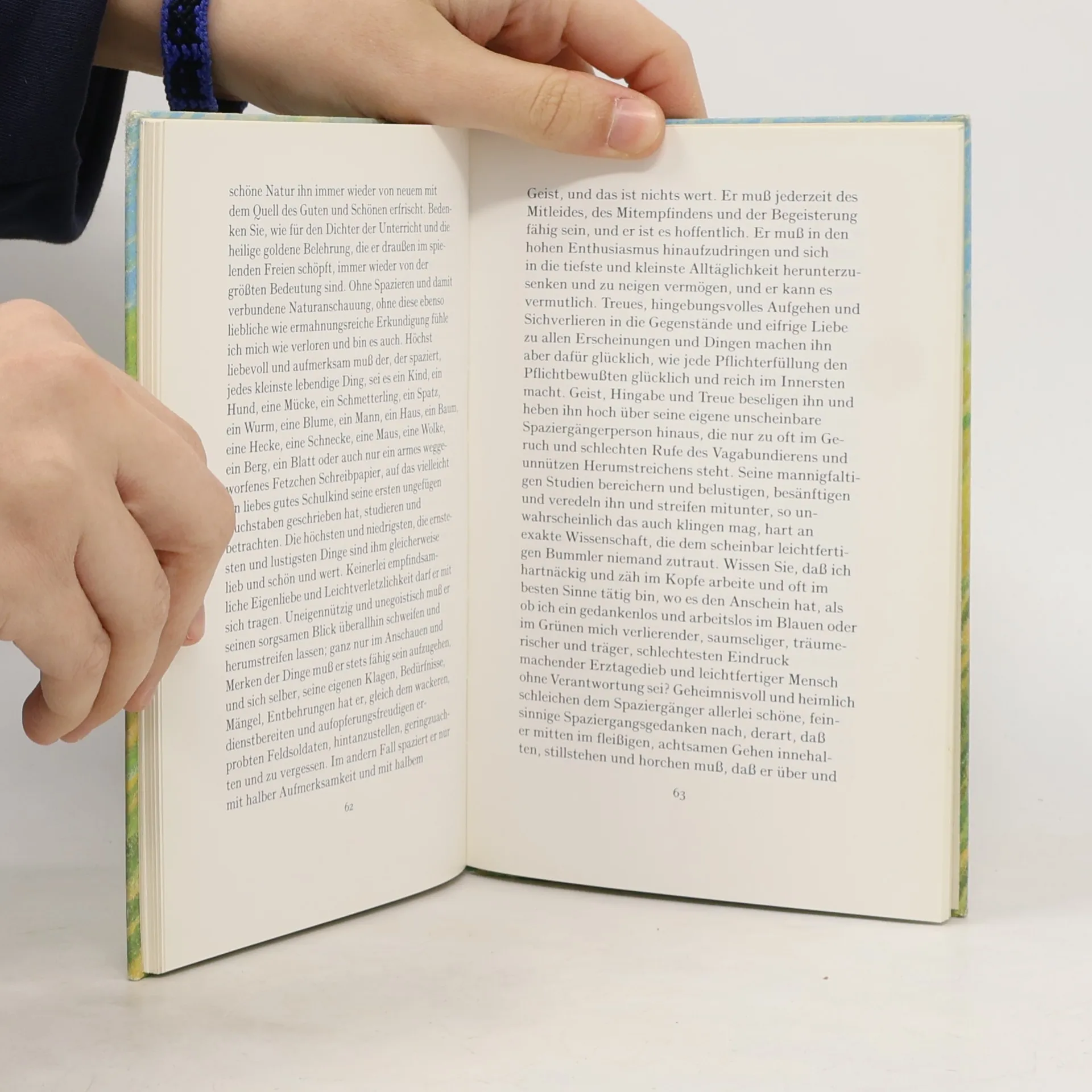
Der Spaziergang, Robert Walser, Rita Berger
- Language

- Released
- 1989
- Binding
- (Hardcover),
- Book condition
- Good
- Price
- €6.09
Payment methods
We’re missing your review here.
- Title
- Der Spaziergang
- Language
- German
- Authors
- Robert Walser, Rita Berger
- Publisher
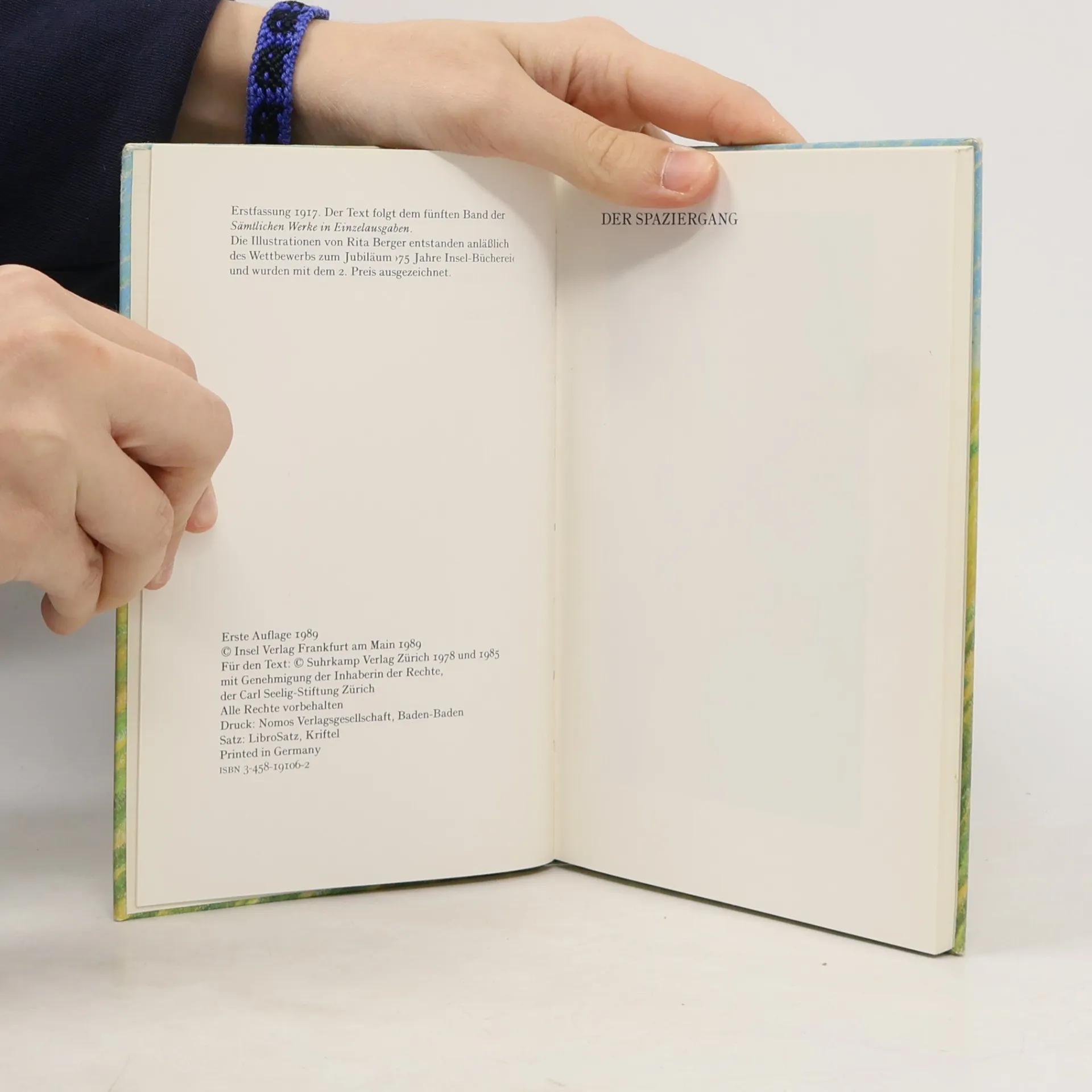
- Insel
- Released
- 1989
- Format
- Hardcover
- Pages
- 92
- ISBN10
- 3458191062
- ISBN13
- 9783458191063
- Series
- Tags
- Historical Themes, German Literature, Short Stories, 20th century, Novellas, Swiss Literature, Walking
- First published
- 1917
- Original title
- Der Spaziergang
- Rating
- 4.2 out of 5
- Description
- Ranging from one-page fantasies to novella-length studies of everyday existence, The Walk reveals the irresistible genius of one of the twentieth century's greatest writers. Under-appreciated even in his own lifetime, Robert Walser has nonetheless been recognised by such writers as W.G. Sebald, Susan Sontag, Franz Kafka, Herman Hesse and J.M. Coetzee. Like Kafka and Sebald, Walser wrote about the solitude and unease of human existence. Honest, wry and idiosyncratic, his stories are snapshots of the lives great artists, poor young men, beautiful women and talking animals alike. Ranging from the realist to the allegorical, the short fiction collected in this volume demonstrates Walser's uncanny ability to capture both life's strangeness and its small joys.