


More about the book
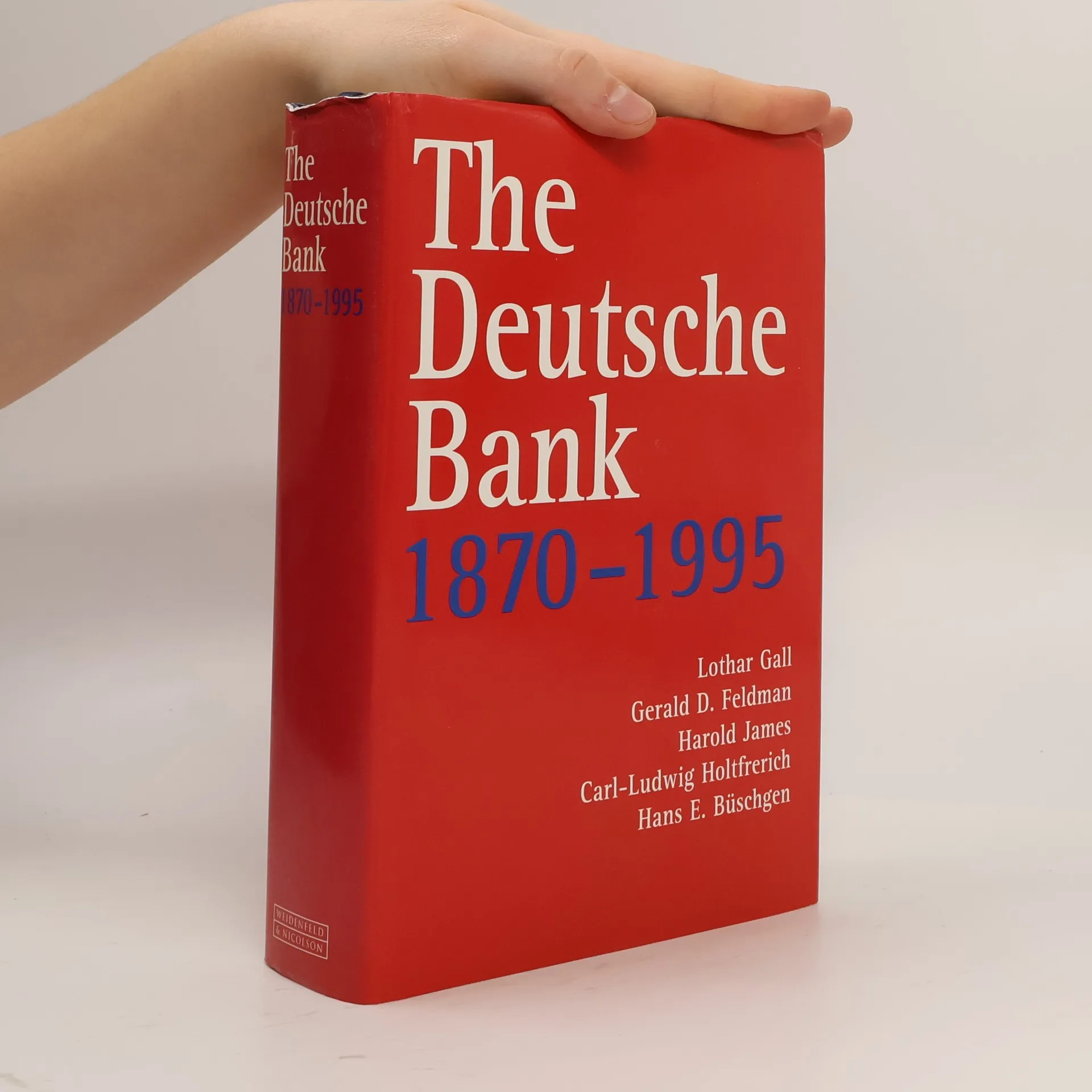
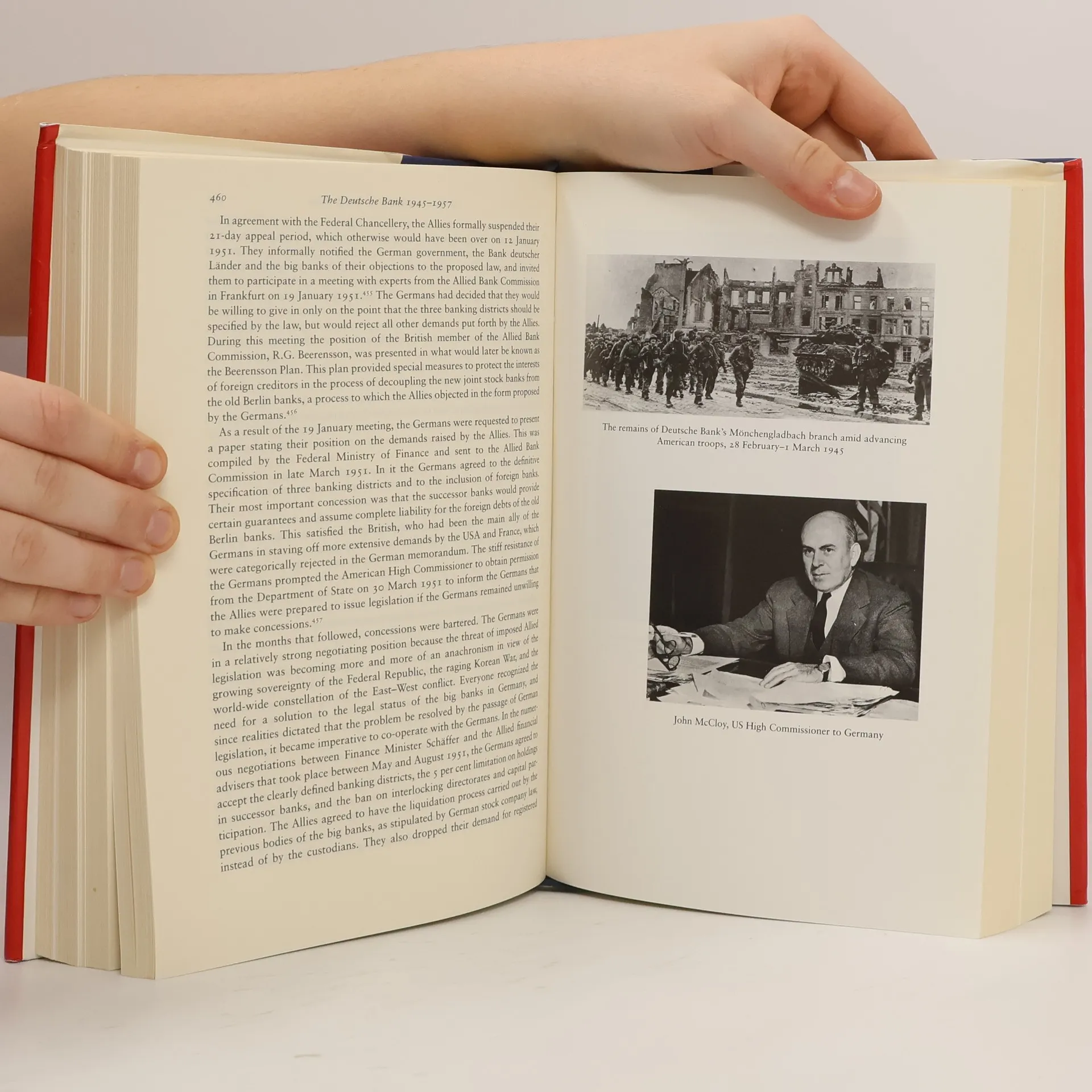
"The work is primarily the story of a company. It traces the Deutsche Bank's evolution into a big bank, its positioning as a foreign trade and 'industrial' bank, and also its big international financing projects in East Asia, the Ottoman Empire and America, with all their foreign policy implications during the German Empire. It describes the bank's situation and business policy from the period of high inflation after the First World War to the world economic and banking crisis at the end of the Weimar Republic. The company's activities under the National Socialist dictatorship and the treatment of Jewish staff and customers are looked at in the same detail as banking business during the Second World War. The book documents the splitting-up of the bank and its reamalgamation after 1945 under Allied occupation policy and its emergence as today's international financial conglomerate. Furthermore, it portrays the leading bank managers, the changes in staff as well as the new directions in organizational structure, and shows the company's position in the banking landscape at different points in time."--BOOK JACKET.Title Summary field provided by Blackwell North America, Inc. All Rights Reserved
Language

Book purchase
The Deutsche Bank, Lothar Gall
- Language

- Released
- 1995
- Binding
- (Hardcover)
Payment methods
We’re missing your review here.
- Title
- The Deutsche Bank
- Language
- English
- Authors
- Lothar Gall
- Publisher
- Weidenfeld & Nicolson
- Released
- 1995
- Format
- Hardcover
- Pages
- 896
- ISBN10
- 0297816063
- ISBN13
- 9780297816065
- Series
- Categories
- Tags
- Rating
- 4 out of 5
- Description
- "The work is primarily the story of a company. It traces the Deutsche Bank's evolution into a big bank, its positioning as a foreign trade and 'industrial' bank, and also its big international financing projects in East Asia, the Ottoman Empire and America, with all their foreign policy implications during the German Empire. It describes the bank's situation and business policy from the period of high inflation after the First World War to the world economic and banking crisis at the end of the Weimar Republic. The company's activities under the National Socialist dictatorship and the treatment of Jewish staff and customers are looked at in the same detail as banking business during the Second World War. The book documents the splitting-up of the bank and its reamalgamation after 1945 under Allied occupation policy and its emergence as today's international financial conglomerate. Furthermore, it portrays the leading bank managers, the changes in staff as well as the new directions in organizational structure, and shows the company's position in the banking landscape at different points in time."--BOOK JACKET.Title Summary field provided by Blackwell North America, Inc. All Rights Reserved