


More about the book
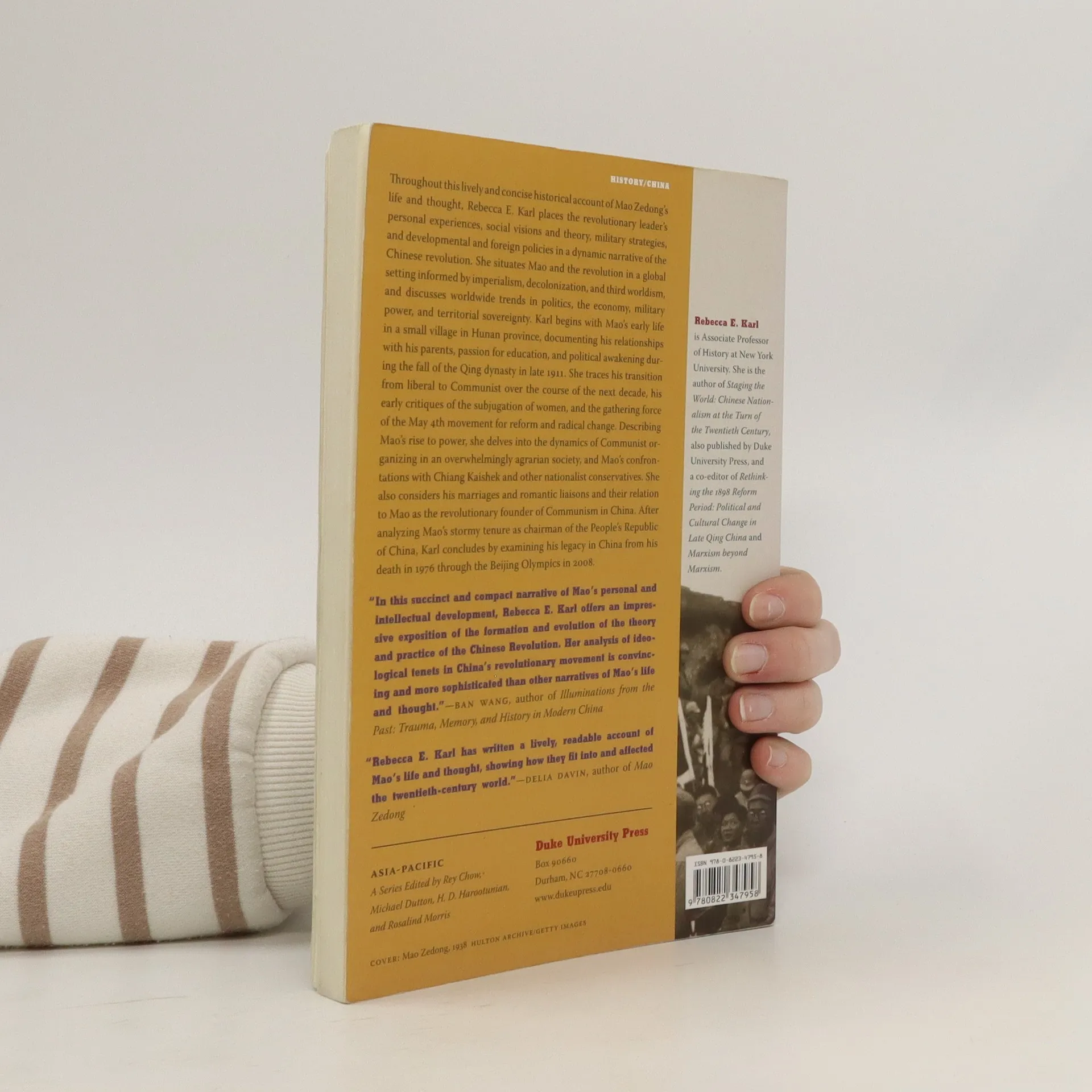
In this engaging historical account, Rebecca E. Karl explores Mao Zedong’s life and thought, weaving together his personal experiences, social visions, military strategies, and policies within the broader narrative of the Chinese revolution. She contextualizes Mao's journey against a backdrop of global imperialism, decolonization, and third worldism, while addressing significant political, economic, and territorial trends. Starting with Mao’s early life in Hunan province, Karl highlights his relationships, passion for education, and political awakening during the Qing dynasty's fall in 1911. She charts his evolution from liberalism to Communism, noting his critiques of women's subjugation and the rise of the May 4th movement advocating for reform. The narrative details Mao’s ascent to power, the dynamics of Communist organizing in an agrarian society, and his conflicts with Chiang Kai-shek and nationalist conservatives. Additionally, Karl examines Mao's marriages and romantic relationships, linking them to his role as the revolutionary founder of Communism in China. The account culminates with an analysis of Mao’s tumultuous leadership of the People’s Republic and his enduring legacy from his death in 1976 to the Beijing Olympics in 2008.
Book purchase
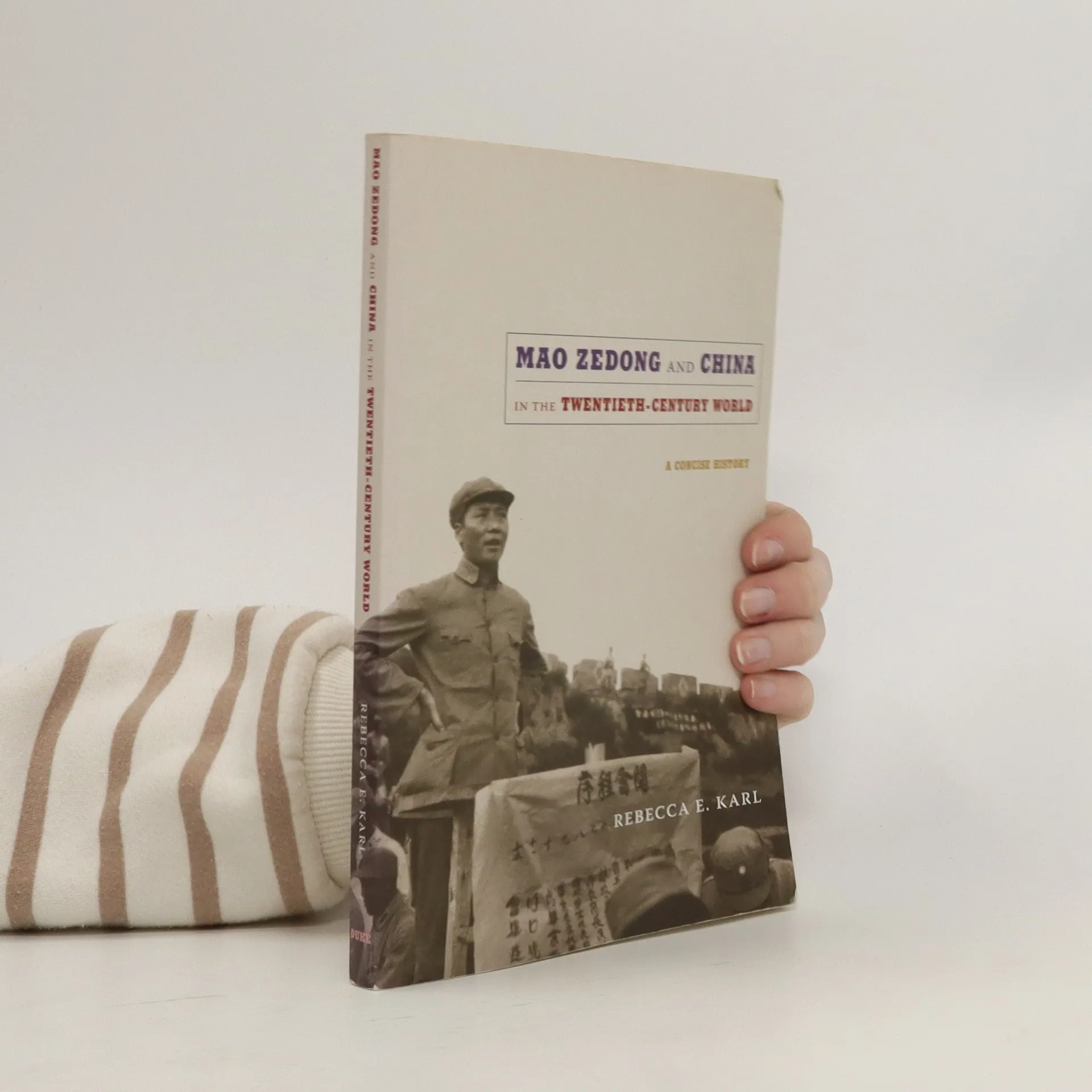
Mao Zedong and China in the Twentieth-Century World, Rebecca E. Karl
- Language

- Released
- 2010
- Binding
- (Paperback)
Payment methods
We’re missing your review here.
- Title
- Mao Zedong and China in the Twentieth-Century World
- Language
- English
- Authors
- Rebecca E. Karl
- Publisher
- Duke University Press
- Released
- 2010
- Format
- Paperback
- ISBN10
- 0822347954
- ISBN13
- 9780822347958
- Series
- Categories
- Rating
- 3.8 out of 5
- Description
- In this engaging historical account, Rebecca E. Karl explores Mao Zedong’s life and thought, weaving together his personal experiences, social visions, military strategies, and policies within the broader narrative of the Chinese revolution. She contextualizes Mao's journey against a backdrop of global imperialism, decolonization, and third worldism, while addressing significant political, economic, and territorial trends. Starting with Mao’s early life in Hunan province, Karl highlights his relationships, passion for education, and political awakening during the Qing dynasty's fall in 1911. She charts his evolution from liberalism to Communism, noting his critiques of women's subjugation and the rise of the May 4th movement advocating for reform. The narrative details Mao’s ascent to power, the dynamics of Communist organizing in an agrarian society, and his conflicts with Chiang Kai-shek and nationalist conservatives. Additionally, Karl examines Mao's marriages and romantic relationships, linking them to his role as the revolutionary founder of Communism in China. The account culminates with an analysis of Mao’s tumultuous leadership of the People’s Republic and his enduring legacy from his death in 1976 to the Beijing Olympics in 2008.