China's Revolutions in the Modern World
- 144 pages
- 6 hours of reading
A concise account of how revolutions made modern China and helped shape the modern world.



A concise account of how revolutions made modern China and helped shape the modern world.
Chinese Nationalism at the Turn of the Twentieth Century
Focusing on the late Qing period, the book explores how nationalist discourse in China evolved following the Sino-Japanese War and leading up to the Republic's establishment. It highlights a burgeoning Chinese identification with the Third World, which helped shape a comprehensive understanding of modernity. The author argues that this historical context was crucial for the development of key elements of Chinese nationalism, revealing how global perspectives influenced local identities and aspirations during a transformative era.
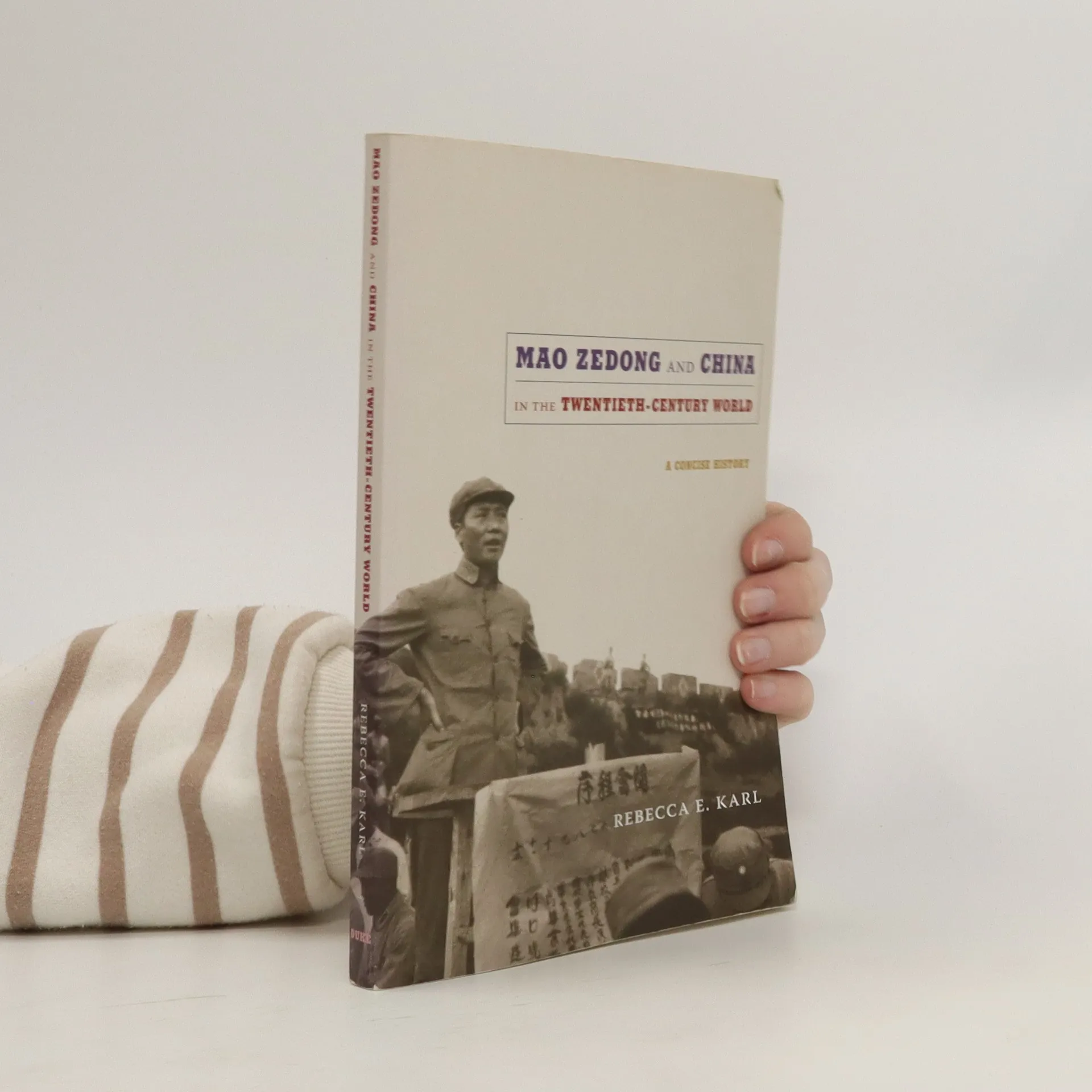
In this engaging historical account, Rebecca E. Karl explores Mao Zedong’s life and thought, weaving together his personal experiences, social visions, military strategies, and policies within the broader narrative of the Chinese revolution. She contextualizes Mao's journey against a backdrop of global imperialism, decolonization, and third worldism, while addressing significant political, economic, and territorial trends. Starting with Mao’s early life in Hunan province, Karl highlights his relationships, passion for education, and political awakening during the Qing dynasty's fall in 1911. She charts his evolution from liberalism to Communism, noting his critiques of women's subjugation and the rise of the May 4th movement advocating for reform. The narrative details Mao’s ascent to power, the dynamics of Communist organizing in an agrarian society, and his conflicts with Chiang Kai-shek and nationalist conservatives. Additionally, Karl examines Mao's marriages and romantic relationships, linking them to his role as the revolutionary founder of Communism in China. The account culminates with an analysis of Mao’s tumultuous leadership of the People’s Republic and his enduring legacy from his death in 1976 to the Beijing Olympics in 2008.