


More about the book
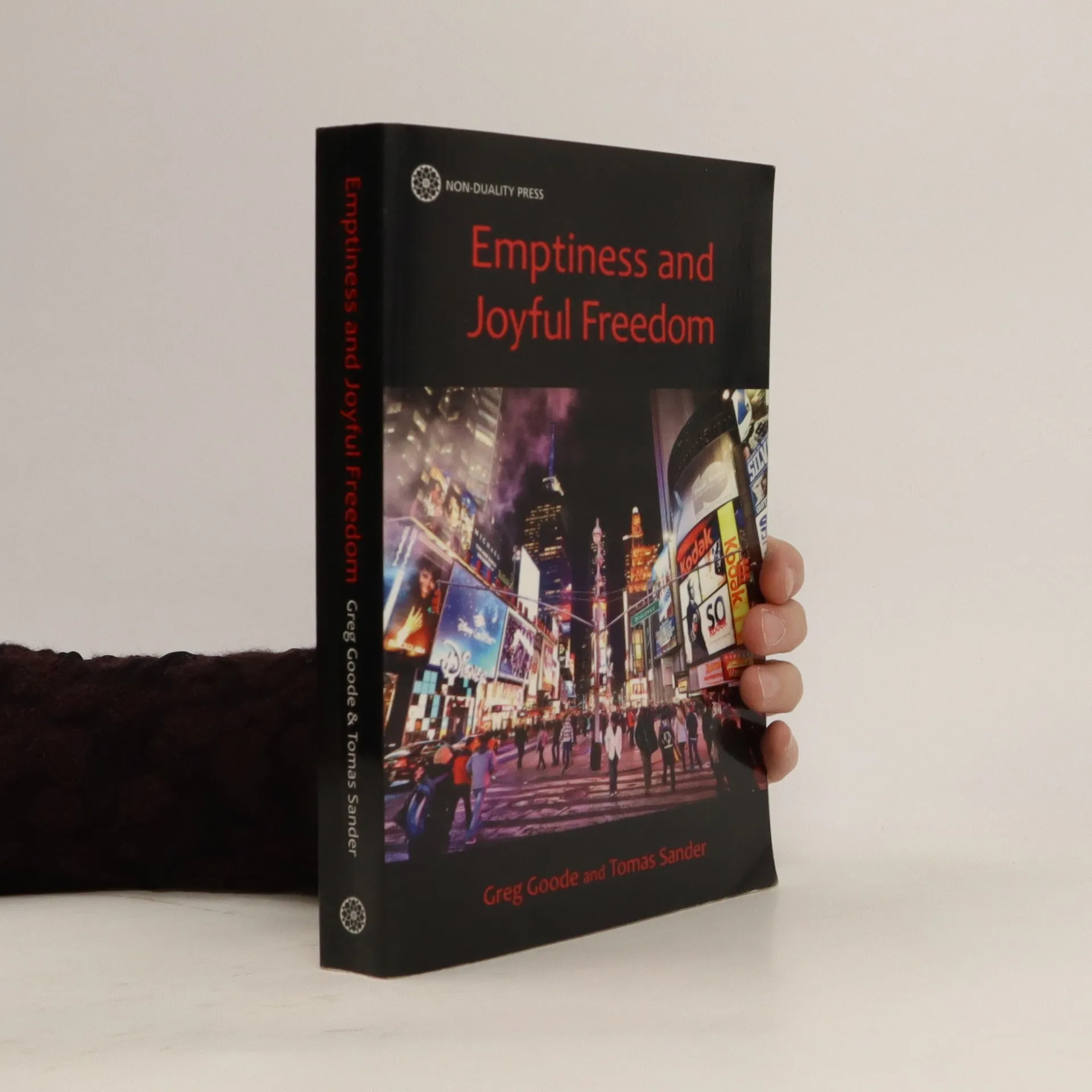
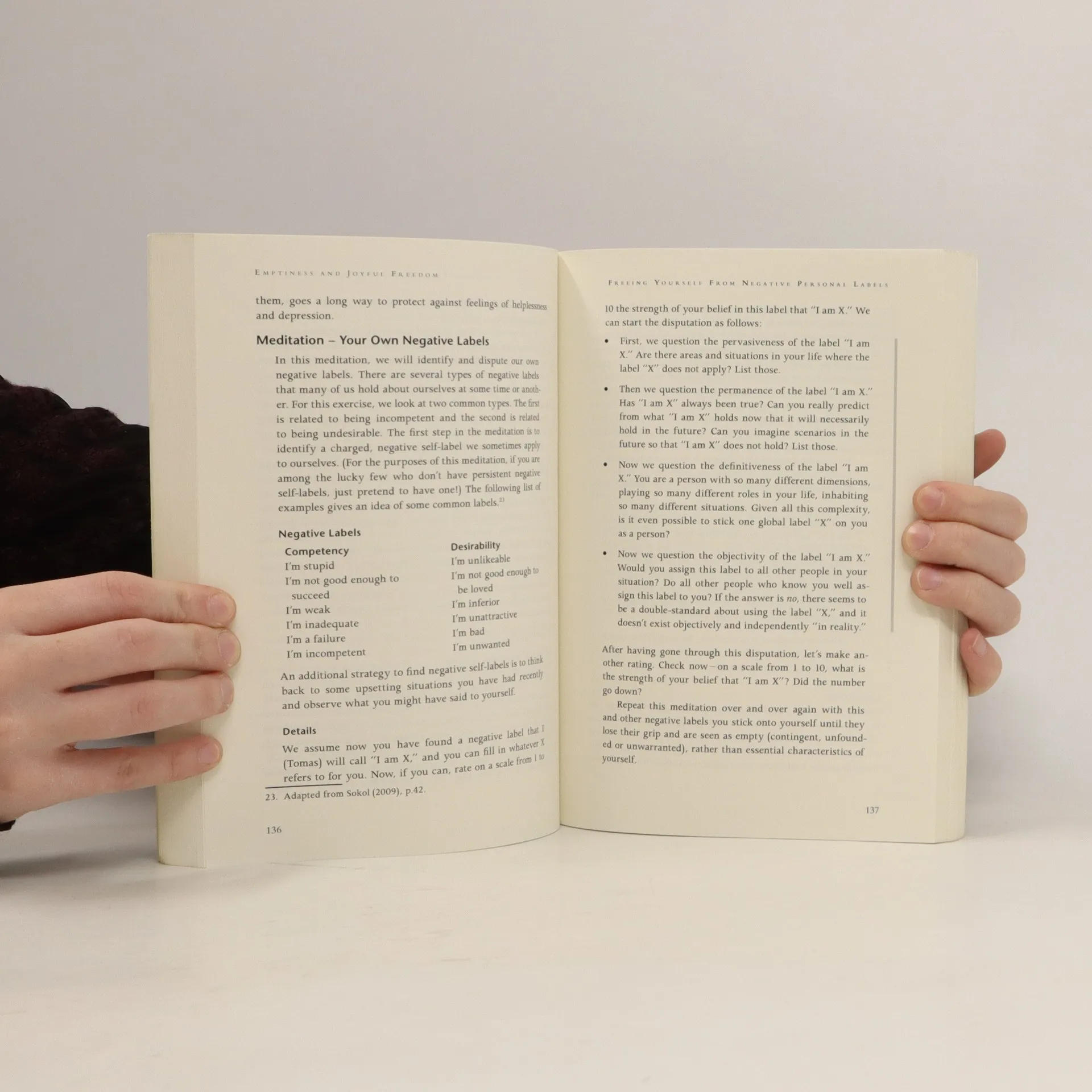
The pinnacle of Buddhism's understanding of reality is the emptiness of all things. Exploring reality towards the realization of emptiness is shockingly radical. It uncovers an exhilarating freedom with nowhere to stand, while engendering a loving joy that engages the world. This path-breaking book employs the emptiness teachings in a fresh, innovative way. Goode and Sander don't rely solely on historical models and meditations. Instead, they have created over eighty original meditations on the emptiness of the self, issues in everyday life, and spiritual paths. These meditations are guided both by Buddhist insights and cutting-edge Western tools of inquiry, such as positive psychology, neuroscience, linguistic philosophy, deconstruction, and scepticism. The result is a set of liberating and usable tools for Buddhists and non-Buddhists alike.
Book purchase
Emptiness and Joyful Freedom, Tomas Sander, Greg Goode
- Language

- Released
- 2013
- Binding
- (Paperback)
Payment methods
We’re missing your review here.
- Title
- Emptiness and Joyful Freedom
- Language
- English
- Authors
- Tomas Sander, Greg Goode
- Publisher
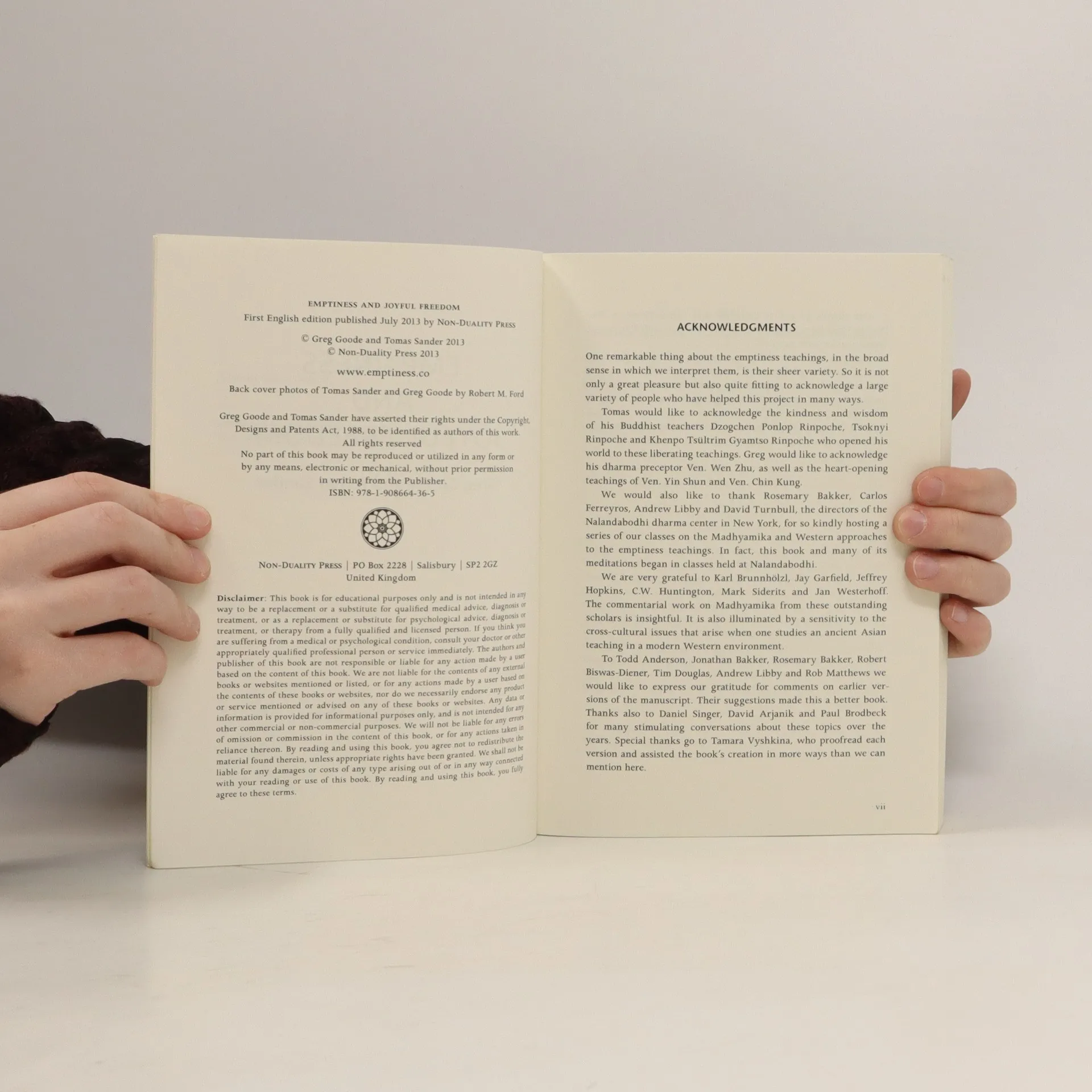
- Non-Duality Press
- Released
- 2013
- Format
- Paperback
- Pages
- 406
- ISBN10
- 1908664363
- ISBN13
- 9781908664365
- Series
- Rating
- 4.1 out of 5
- Description
- The pinnacle of Buddhism's understanding of reality is the emptiness of all things. Exploring reality towards the realization of emptiness is shockingly radical. It uncovers an exhilarating freedom with nowhere to stand, while engendering a loving joy that engages the world. This path-breaking book employs the emptiness teachings in a fresh, innovative way. Goode and Sander don't rely solely on historical models and meditations. Instead, they have created over eighty original meditations on the emptiness of the self, issues in everyday life, and spiritual paths. These meditations are guided both by Buddhist insights and cutting-edge Western tools of inquiry, such as positive psychology, neuroscience, linguistic philosophy, deconstruction, and scepticism. The result is a set of liberating and usable tools for Buddhists and non-Buddhists alike.