

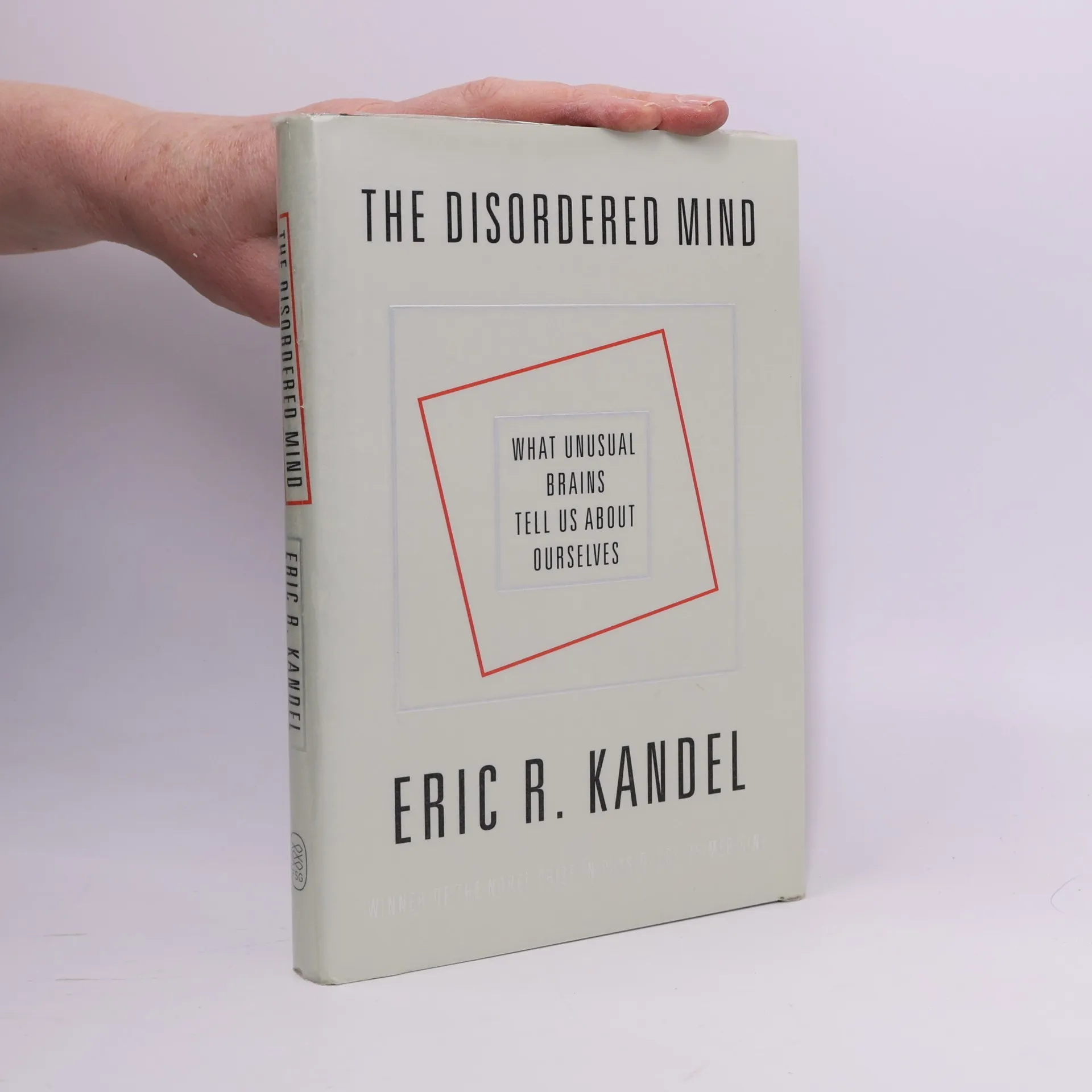

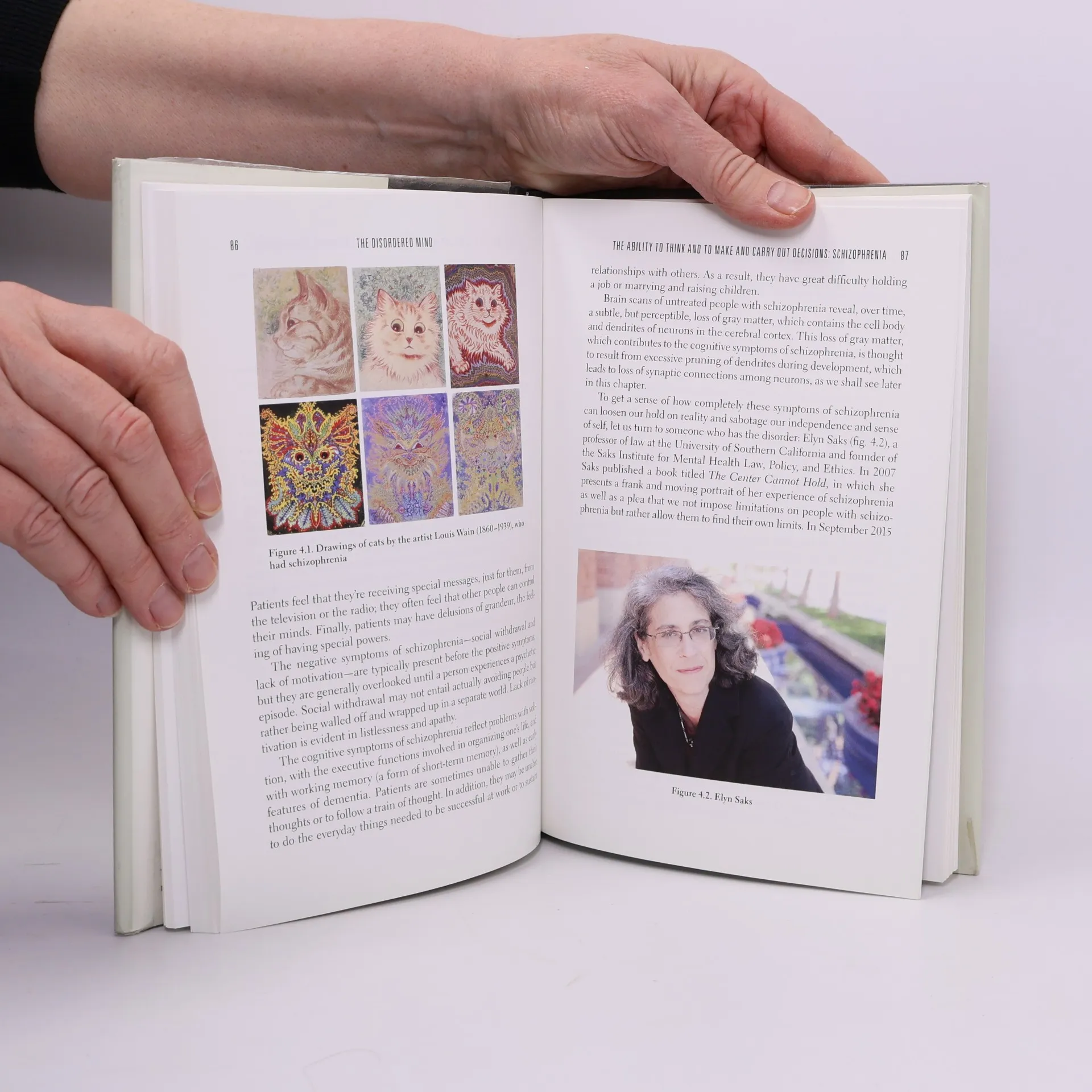
More about the book
Eric R. Kandel, a Nobel Prize winner in Physiology or Medicine, is a pioneer in modern brain science, significantly influencing our understanding of memory and learning. In his groundbreaking new work, he explores the complex relationship between the brain's physical structure and our sense of self. The brain, with its 86 billion neurons, communicates through precise connections that can sometimes become disrupted. These disruptions can lead to various mental health disorders, including autism, depression, schizophrenia, Parkinson's disease, addiction, and post-traumatic stress disorder. While these conditions cause significant suffering, they also provide insights into the brain's functioning and the essence of human experience. For instance, studies on autism reveal the neurological basis of social instincts, while research on depression sheds light on emotions and self-identity. Moreover, innovative studies on addiction have transformed our understanding of pleasure and willpower. By examining these disruptions and their treatments, we can enhance our comprehension of thought, emotion, behavior, memory, and creativity, ultimately addressing the profound question of how consciousness arises from billions of interconnected neurons.



Book purchase
DISORDERED MIND, Eric Kandel
- Language

- Released
- 2018
- Binding
- (Hardcover)
Payment methods
We’re missing your review here.
- Title
- DISORDERED MIND
- Language
- English
- Authors
- Eric Kandel
- Publisher
- Macmillan USA
- Released
- 2018
- Format
- Hardcover
- Pages
- 285
- ISBN10
- 0374287864
- ISBN13
- 9780374287863
- Series
- Categories
- Rating
- 4 out of 5
- Description
- Eric R. Kandel, a Nobel Prize winner in Physiology or Medicine, is a pioneer in modern brain science, significantly influencing our understanding of memory and learning. In his groundbreaking new work, he explores the complex relationship between the brain's physical structure and our sense of self. The brain, with its 86 billion neurons, communicates through precise connections that can sometimes become disrupted. These disruptions can lead to various mental health disorders, including autism, depression, schizophrenia, Parkinson's disease, addiction, and post-traumatic stress disorder. While these conditions cause significant suffering, they also provide insights into the brain's functioning and the essence of human experience. For instance, studies on autism reveal the neurological basis of social instincts, while research on depression sheds light on emotions and self-identity. Moreover, innovative studies on addiction have transformed our understanding of pleasure and willpower. By examining these disruptions and their treatments, we can enhance our comprehension of thought, emotion, behavior, memory, and creativity, ultimately addressing the profound question of how consciousness arises from billions of interconnected neurons.