

More about the book
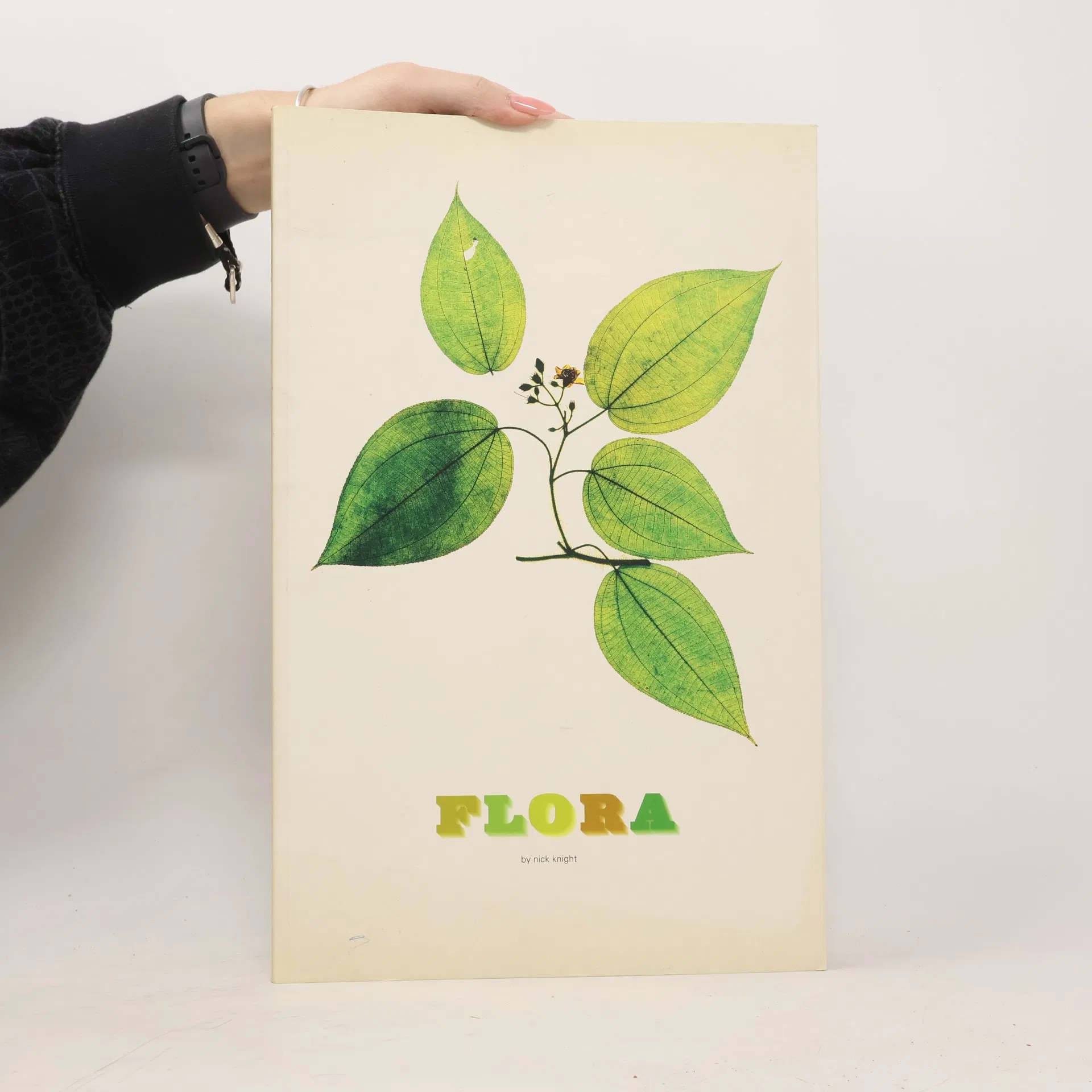
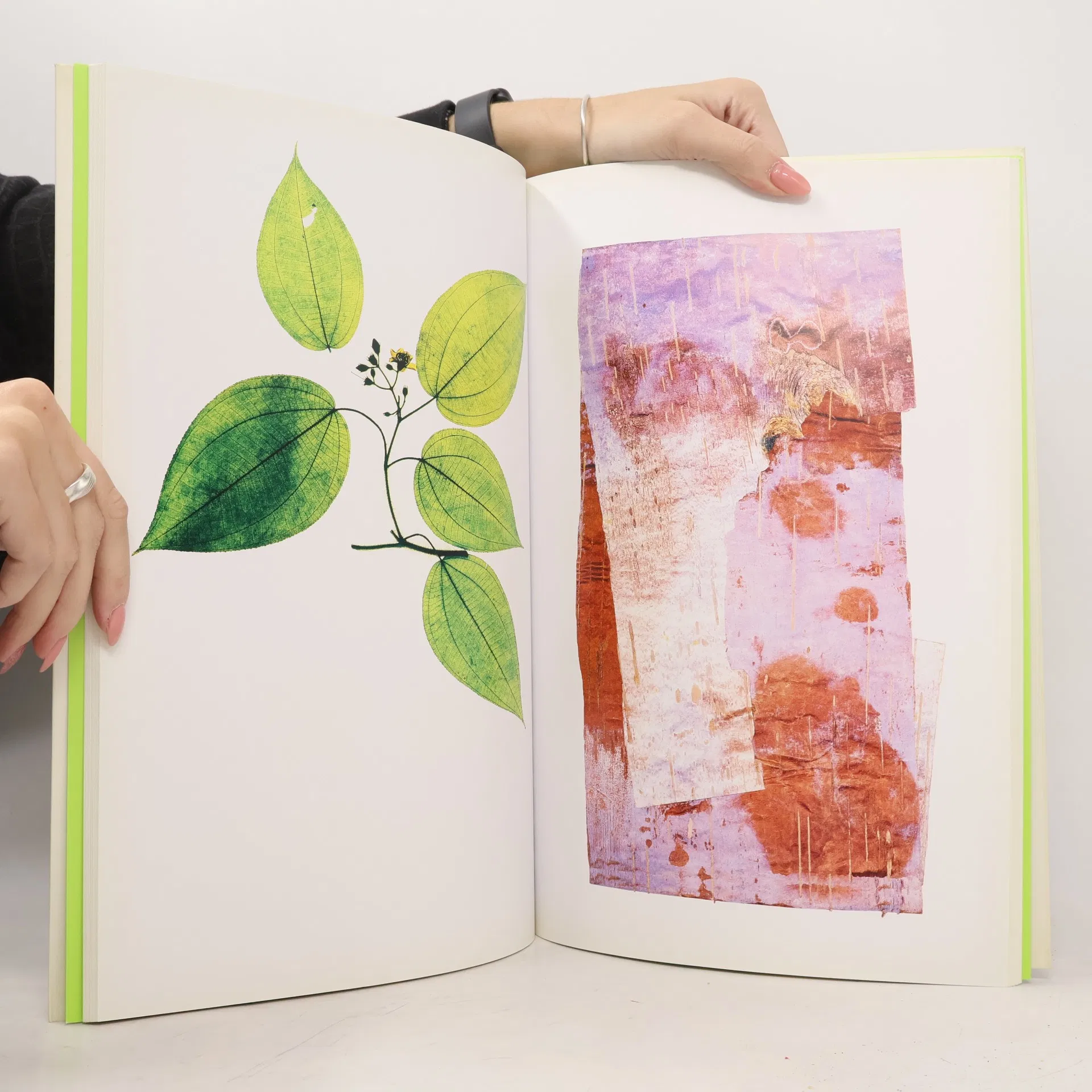
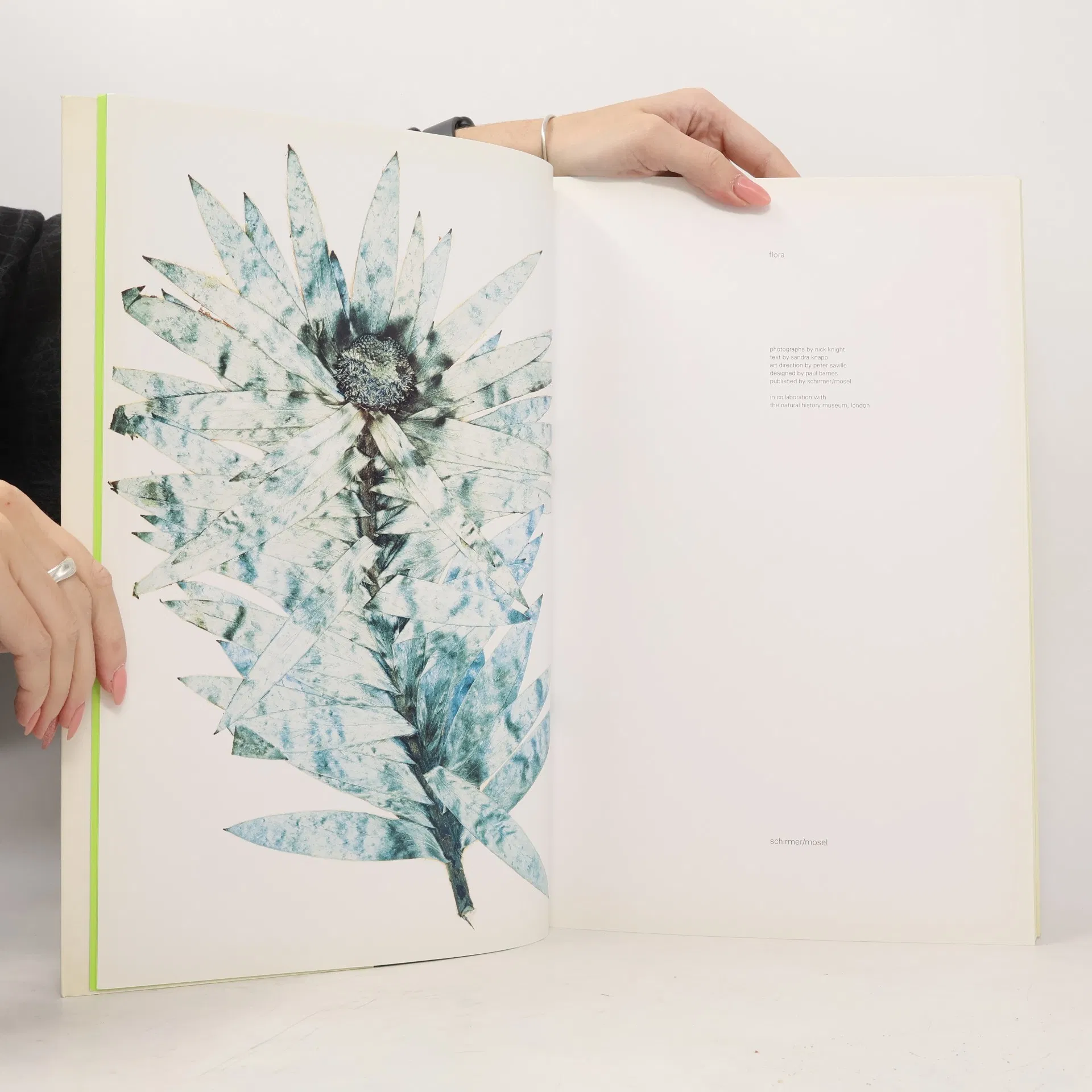
The young British photographer Nick Knight found inspiration in the beauty of dried plants during a visit to the herbarium at the Natural History Museum in London. Captivated by their fragile forms, Knight dedicated his second large photo album to these pressed flowers. Over three and a half years, he sifted through more than six million specimens, ultimately selecting forty-six of the "most beautiful" for this collection. His journey reflects a deep aesthetic joy, as he expressed the liberating experience of discovering new perspectives on the familiar, which filled him with optimism. Accompanying the stunning photographs, Sandra Knapp, a curator at the museum, provides insightful texts on the individual plants, highlighting their biological traits and cultural significance. She also weaves in a brief history of botany, research techniques, and the herbarium itself, making the book not only visually appealing but also informative. This work is essential for anyone interested in botany as a scientific field, blending art and knowledge seamlessly.




Book purchase
Flora, Nick Knight, Sandra Knapp
- Language

- Released
- 2000
Payment methods
We’re missing your review here.
- Title
- Flora
- Language
- English
- Authors
- Nick Knight, Sandra Knapp
- Publisher
- Schirmer Mosel
- Released
- 2000
- Pages
- 80
- ISBN10
- 388814910X
- ISBN13
- 9783888149108
- Series
- Tags
- Art
- Rating
- 4.6 out of 5
- Description
- The young British photographer Nick Knight found inspiration in the beauty of dried plants during a visit to the herbarium at the Natural History Museum in London. Captivated by their fragile forms, Knight dedicated his second large photo album to these pressed flowers. Over three and a half years, he sifted through more than six million specimens, ultimately selecting forty-six of the "most beautiful" for this collection. His journey reflects a deep aesthetic joy, as he expressed the liberating experience of discovering new perspectives on the familiar, which filled him with optimism. Accompanying the stunning photographs, Sandra Knapp, a curator at the museum, provides insightful texts on the individual plants, highlighting their biological traits and cultural significance. She also weaves in a brief history of botany, research techniques, and the herbarium itself, making the book not only visually appealing but also informative. This work is essential for anyone interested in botany as a scientific field, blending art and knowledge seamlessly.