


Parameters
- 248 pages
- 9 hours of reading
More about the book
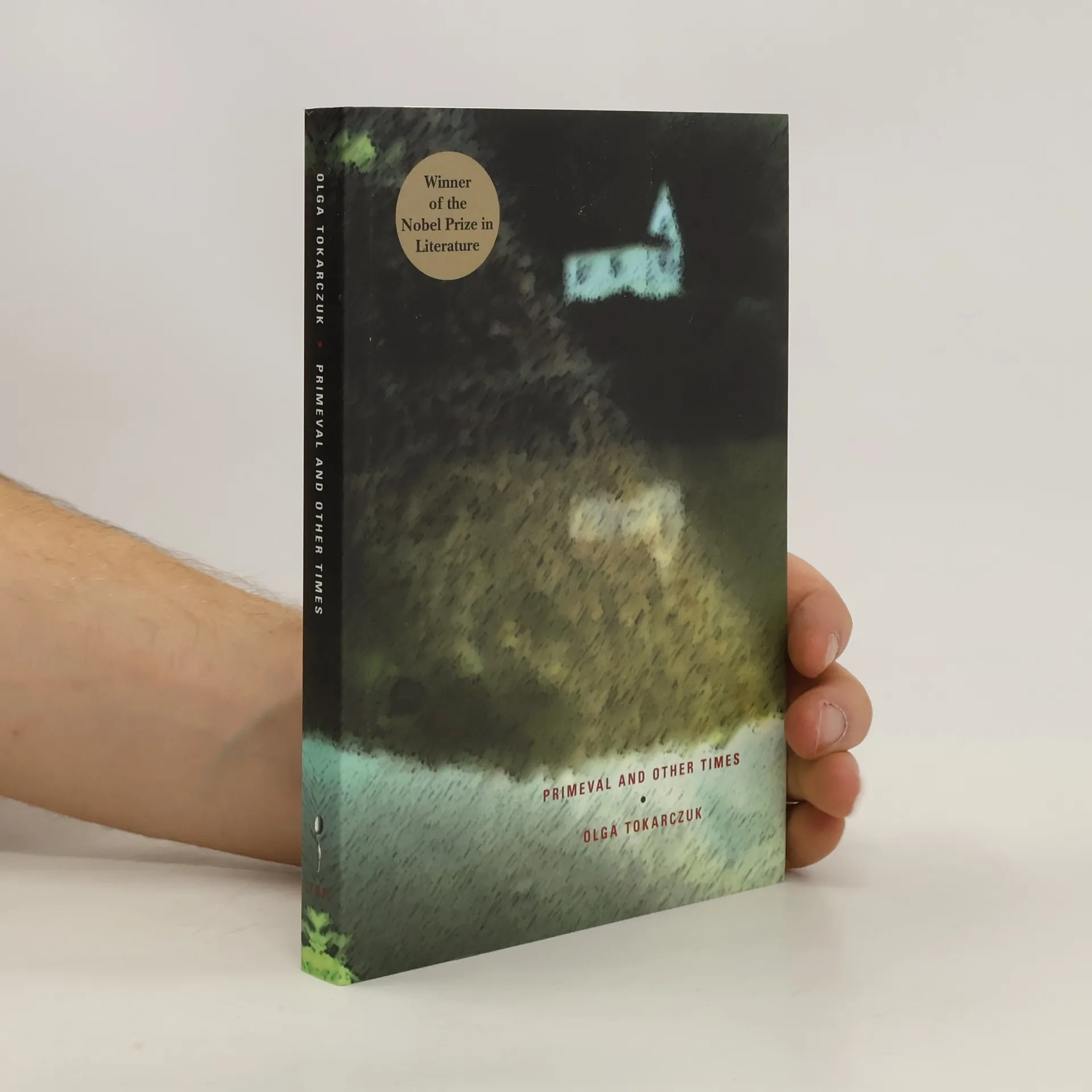
This book, published by Twisted Spoon Press in Prague, features a mythical Polish village called Primeval, a microcosm of the world guarded by four archangels and inhabited by eccentric, archetypal characters. It chronicles the lives of these residents throughout the tumultuous 20th century, employing a forceful and direct prose style akin to the magic realism of Gabriel García Márquez. The narrative unfolds in short bursts of "Time," resembling a stylized fable or epic allegory that explores the relentless passage of time and the conflict between modernity and nature, reflecting Poland's complex political history from 1914 to the 1980s amid the episodic brutality of village life. This novel transcends local concerns, establishing the author as a prominent figure in Polish and European literature. Awarded the Koscielski Foundation Prize in 1997, it has been translated into numerous languages and recognized as a contemporary classic. The author expressed a desire to create a book that encapsulates a world, portraying themes of existence through kitchens, bedrooms, memories, dreams, and amnesia—elements that contribute to the rich acoustic landscape of the narrative. The author is a recipient of the 2018 Nobel Prize in Literature.
Language


Book purchase
Primeval and Other Times, Olga Tokarczuk
- Language

- Released
- 2010
- Binding
- (Paperback)
Payment methods
We’re missing your review here.
- Title
- Primeval and Other Times
- Language
- English
- Authors
- Olga Tokarczuk
- Publisher
- Twisted Spoon Press
- Released
- 2010
- Format
- Paperback
- Pages
- 248
- ISBN10
- 8086264351
- ISBN13
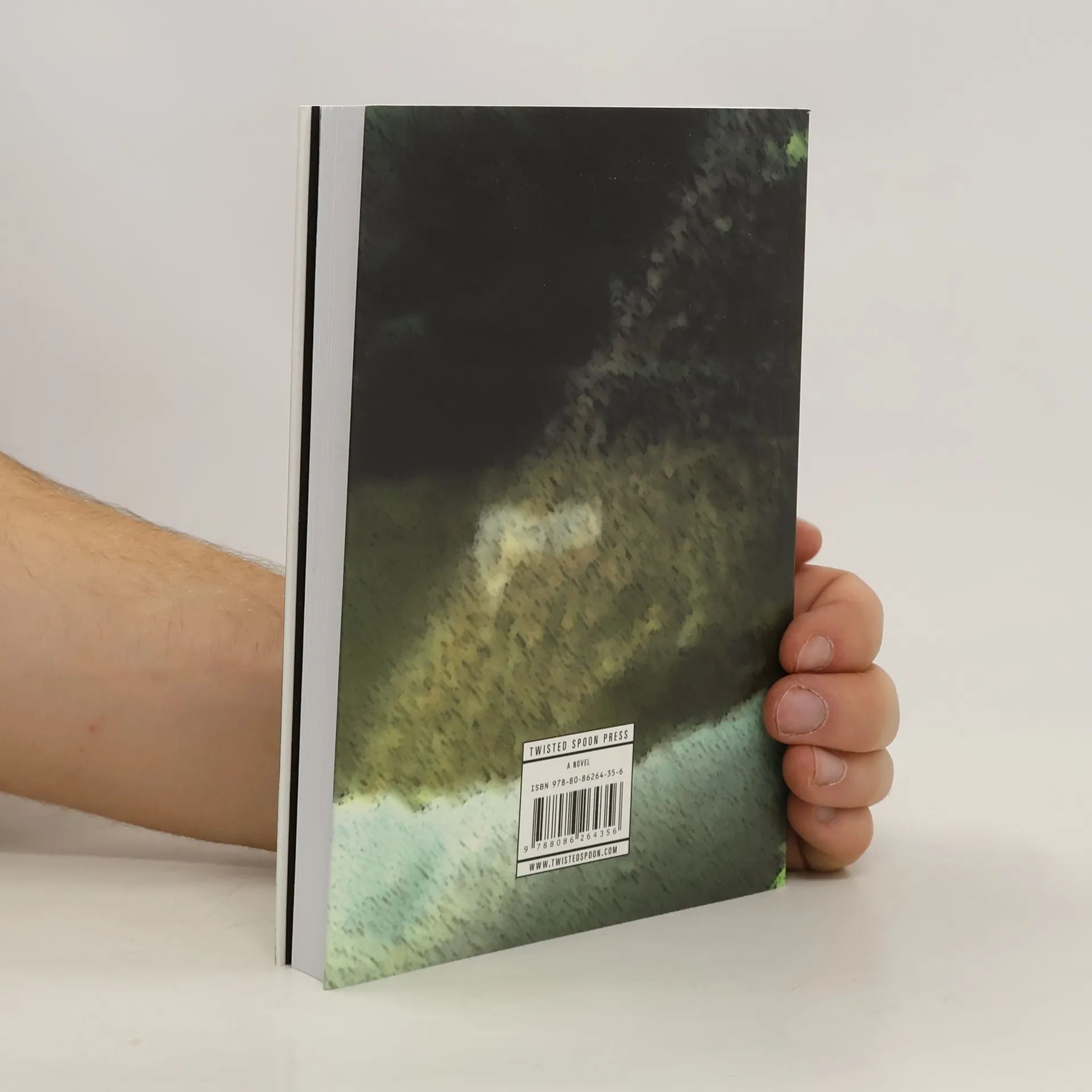
- 9788086264356
- Series
- Tags
- Contemporary Fiction, Military Fiction, 20th century, Wars, Gifts for women, Adapted for Film, World War I (1914–1918), Magical Realism, Polish literature, Fate, Genealogy, Poland, Nobel prize, Villages, Soldiers, Postmodern literature, Tsars
- First published
- 1996
- Original title
- Prawiek i inne czasy
- Rating
- 4.05 out of 5
- Description
- This book, published by Twisted Spoon Press in Prague, features a mythical Polish village called Primeval, a microcosm of the world guarded by four archangels and inhabited by eccentric, archetypal characters. It chronicles the lives of these residents throughout the tumultuous 20th century, employing a forceful and direct prose style akin to the magic realism of Gabriel García Márquez. The narrative unfolds in short bursts of "Time," resembling a stylized fable or epic allegory that explores the relentless passage of time and the conflict between modernity and nature, reflecting Poland's complex political history from 1914 to the 1980s amid the episodic brutality of village life. This novel transcends local concerns, establishing the author as a prominent figure in Polish and European literature. Awarded the Koscielski Foundation Prize in 1997, it has been translated into numerous languages and recognized as a contemporary classic. The author expressed a desire to create a book that encapsulates a world, portraying themes of existence through kitchens, bedrooms, memories, dreams, and amnesia—elements that contribute to the rich acoustic landscape of the narrative. The author is a recipient of the 2018 Nobel Prize in Literature.