



Series
More about the book
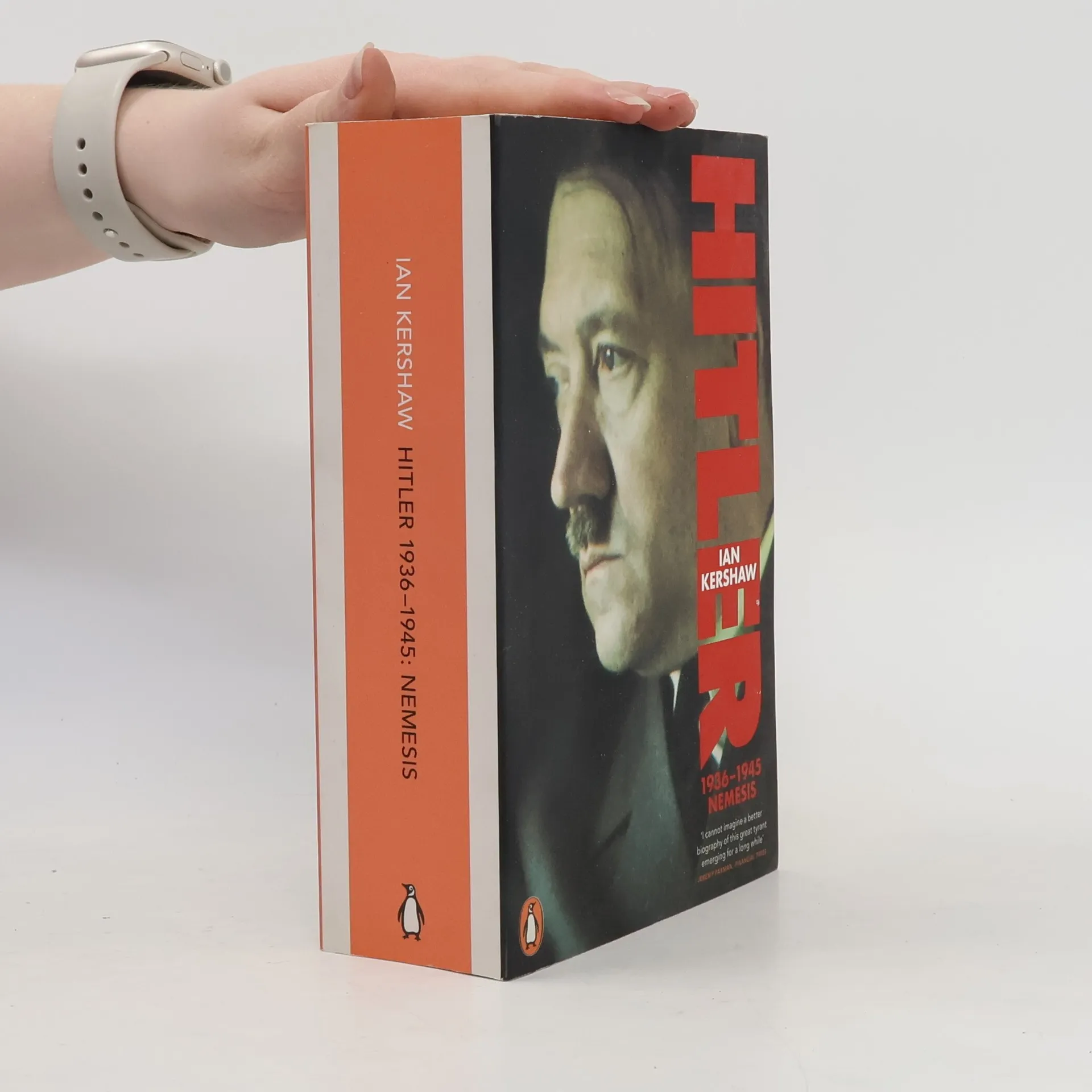
Following the enormous success of HITLER: HUBRIS this book triumphantly completes one of the great modern biographies. No figure in twentieth century history more clearly demands a close biographical understanding than Adolf Hitler; and no period is more important than the Second World War. Beginning with Hitler's startling European successes in the aftermath of the Rhinelland occupation and ending nine years later with the suicide in the Berlin bunker, Kershaw allows us as never before to understand the motivation and the impact of this bizarre misfit. He addresses the crucial questions about the unique nature of Nazi radicalism, about the Holocaust and about the poisoned European world that allowed Hitler to operate so effectively.
Language




Book purchase
Hitler 1936-1945, Ian Kershaw
- Language

- Released
- 2001
- Binding
- (Paperback)
Payment methods
We’re missing your review here.
- Title
- Hitler 1936-1945
- Language
- English
- Authors
- Ian Kershaw
- Publisher
- Penguin UK
- Released
- 2001
- Format
- Paperback
- Pages
- 1168
- ISBN10
- 0140272399
- ISBN13
- 9780140272390
- Series
- Hitler
- Categories
- Tags
- Historical Themes, Germany, Wars, World War II, History of Europe, Nazism, Third Reich (Nazi Germany), 1933-1945, Adolf Hitler
- First published
- 2000
- Original title
- Hitler. Vol 2, 1936–1945: Nemesis
- Rating
- 4.5 out of 5
- Description
- Following the enormous success of HITLER: HUBRIS this book triumphantly completes one of the great modern biographies. No figure in twentieth century history more clearly demands a close biographical understanding than Adolf Hitler; and no period is more important than the Second World War. Beginning with Hitler's startling European successes in the aftermath of the Rhinelland occupation and ending nine years later with the suicide in the Berlin bunker, Kershaw allows us as never before to understand the motivation and the impact of this bizarre misfit. He addresses the crucial questions about the unique nature of Nazi radicalism, about the Holocaust and about the poisoned European world that allowed Hitler to operate so effectively.