

More about the book
Tim O'Brien has masterfully blended art and artifice in his fictional accounts of Vietnam, creating surreal narratives in acclaimed works like Going After Cacciato and The Things They Carried. These stories feature a soldier walking to Paris, leaving a trail of M&Ms, and a young man grappling with loss amidst the chaos of war. However, his first account, written shortly after his return in 1969, presents a raw and unembellished depiction of his personal hell. If I Die in a Combat Zone showcases O'Brien's eloquence and attention to detail while offering a straightforward portrayal of his experiences. He reflects on the harrowing reality of marching through places like Pinkville, contemplating the potential horrors that await him—pain, fear, and the haunting image of his own body. O'Brien vividly illustrates the life of an infantry soldier, marked by the monotony of patrols interrupted by sudden firefights, the brutality of destroyed villages, and the constant threat of death. One of the most poignant moments in the book is his decision to desert just weeks before deployment. Despite preparing to flee, he ultimately confronts his fears, unable to abandon his family, hometown, and history. O'Brien entered the war as an opponent and emerged with a profound understanding of his experiences.




Book purchase
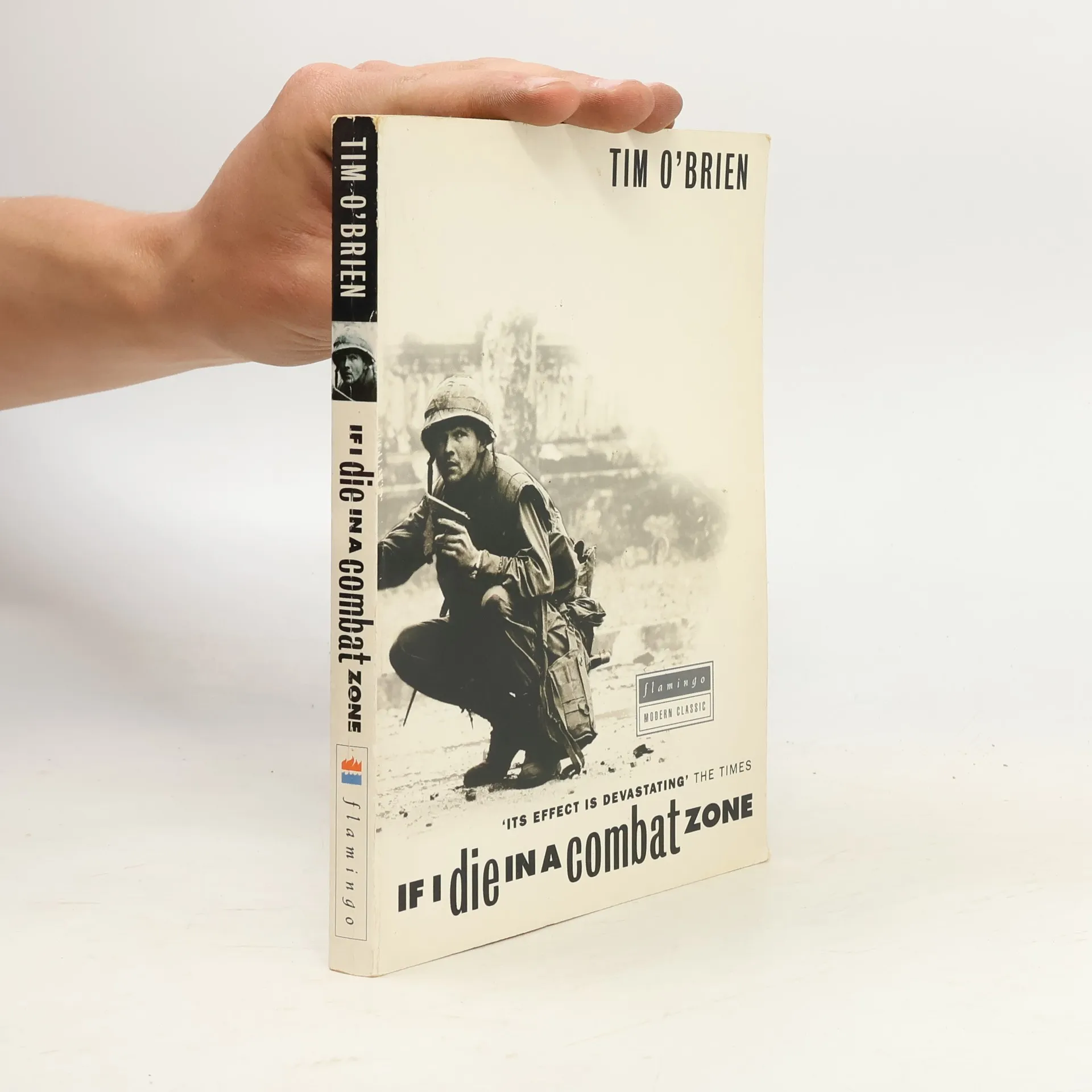
If I Die in a Combat Zone, Tim O’Brien
- Language

- Released
- 1989
- Binding
- (Paperback)
Payment methods
We’re missing your review here.
- Title
- If I Die in a Combat Zone
- Language
- English
- Authors
- Tim O’Brien
- Publisher
- Flamingo
- Released
- 1989
- Format
- Paperback
- Pages
- 208
- ISBN10
- 0586087990
- ISBN13
- 9780586087992
- Series
- Categories
- Rating
- 3.95 out of 5
- Description
- Tim O'Brien has masterfully blended art and artifice in his fictional accounts of Vietnam, creating surreal narratives in acclaimed works like Going After Cacciato and The Things They Carried. These stories feature a soldier walking to Paris, leaving a trail of M&Ms, and a young man grappling with loss amidst the chaos of war. However, his first account, written shortly after his return in 1969, presents a raw and unembellished depiction of his personal hell. If I Die in a Combat Zone showcases O'Brien's eloquence and attention to detail while offering a straightforward portrayal of his experiences. He reflects on the harrowing reality of marching through places like Pinkville, contemplating the potential horrors that await him—pain, fear, and the haunting image of his own body. O'Brien vividly illustrates the life of an infantry soldier, marked by the monotony of patrols interrupted by sudden firefights, the brutality of destroyed villages, and the constant threat of death. One of the most poignant moments in the book is his decision to desert just weeks before deployment. Despite preparing to flee, he ultimately confronts his fears, unable to abandon his family, hometown, and history. O'Brien entered the war as an opponent and emerged with a profound understanding of his experiences.