

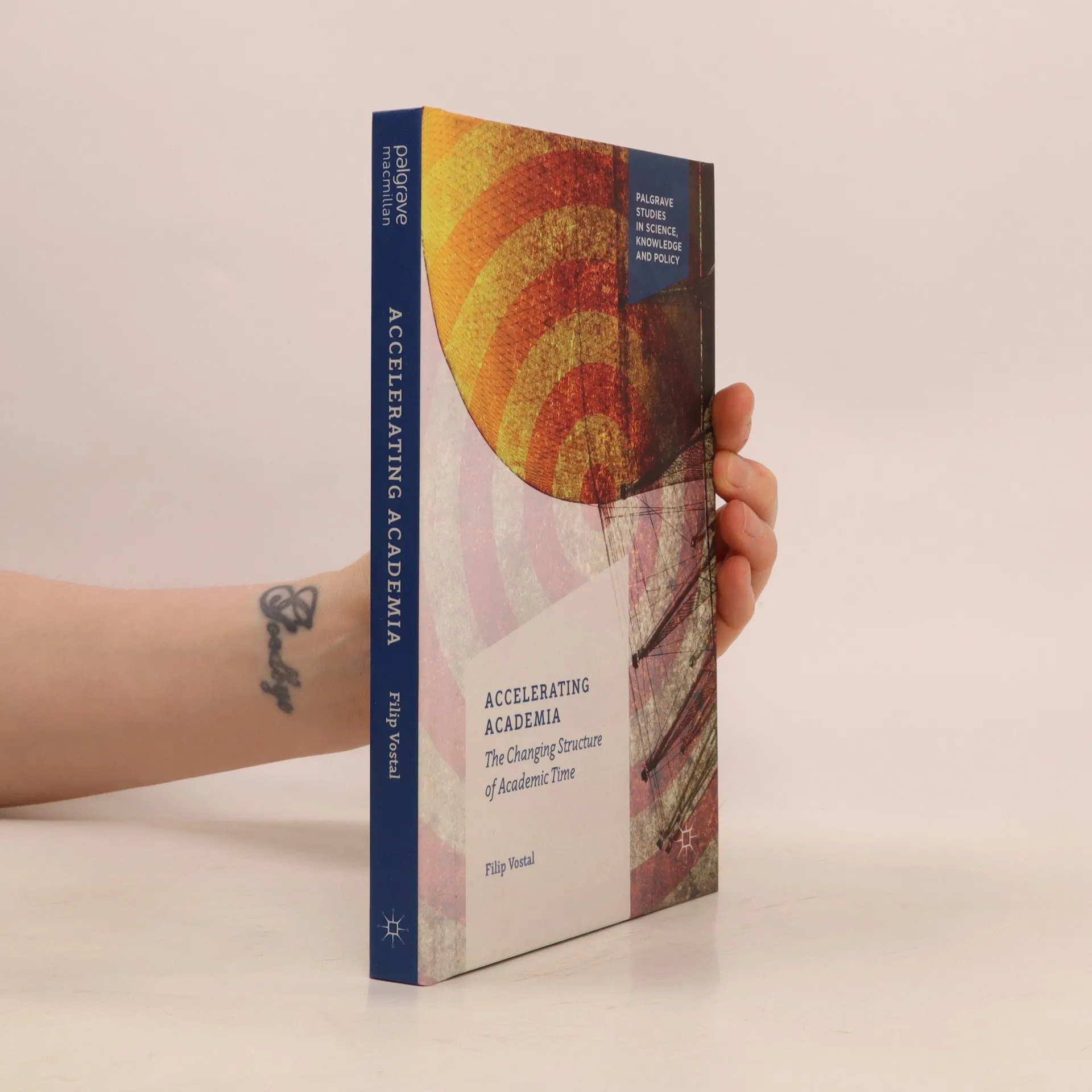
The Changing Structure Of Academic Time
Authors
More about the book
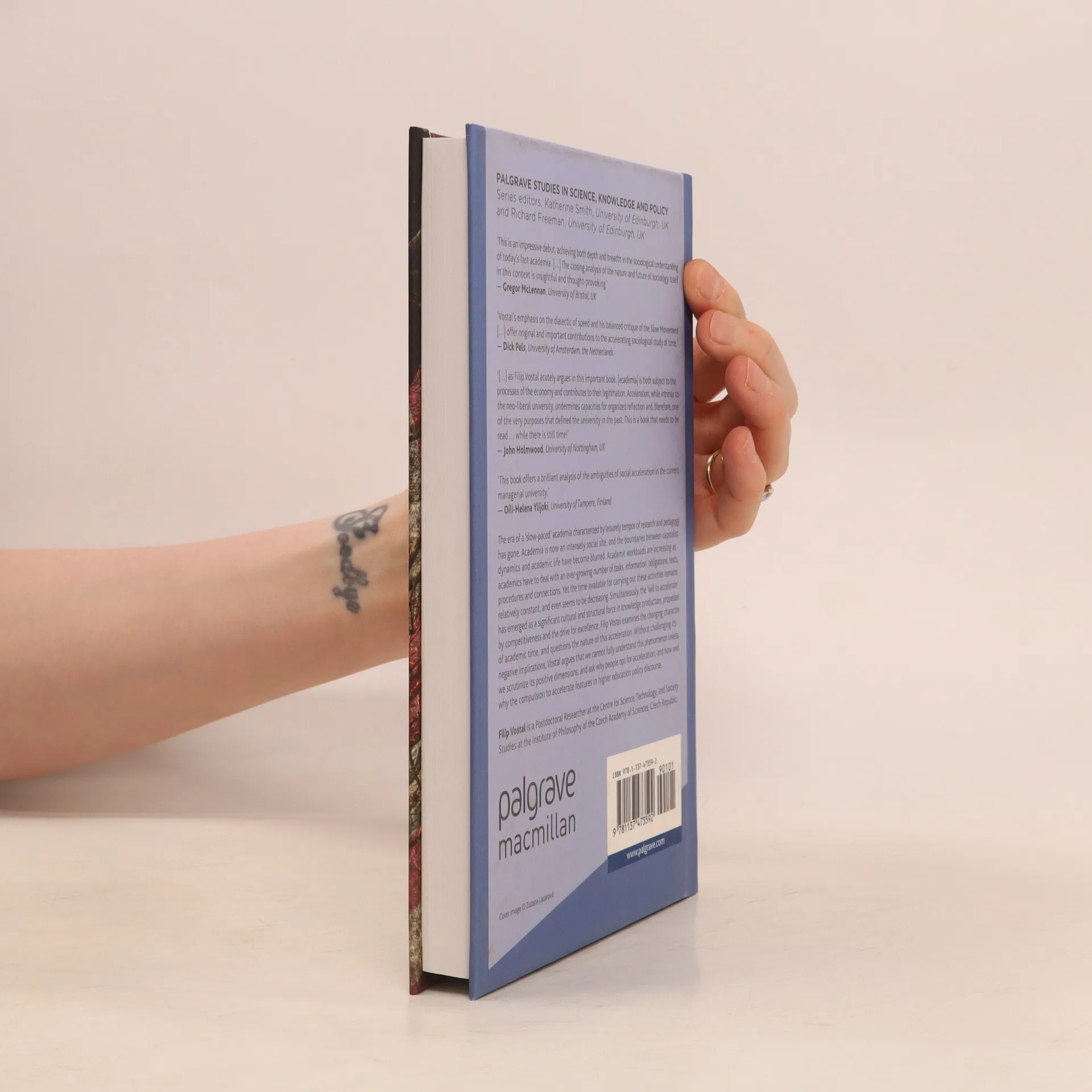
"The era of a 'slow-paced' academia characterized by leisurely tempos of research and pedagogy has gone. Academia is now an intensely social site, and the boundaries between capitalist dynamics and academic life have become blurred. Academic workloads are increasing as academics have to deal with an ever-growing number of tasks, information, obligations, texts, procedures and connections. Yet the time available for carrying out these activities remains relatively constant, and even seems to be decreasing. Simultaneously, the 'will to accelerate' has emerged as a significant cultural and structural force in knowledge production, propelled by competitiveness and the drive for excellence. Filip Vostal examines the changing character of academic time, and questions the nature of this acceleration. Without challenging its negative implications, Vostal argues that we cannot fully understand this phenomenon unless we scrutinize its positive dimensions, and ask why people opt for acceleration, and how and why the compulsion to accelerate features in higher education policy discourse. "--
Publication

Book purchase
The Changing Structure Of Academic Time, F. Vostal
- Language

- Released
- 2016
- Binding
- (Hardcover)
Payment methods
No one has rated yet.
- Title
- The Changing Structure Of Academic Time
- Language
- English
- Authors
- F. Vostal
- Publisher
- Palgrave Macmillan
- Released
- 2016
- Format
- Hardcover
- Pages
- 253
- ISBN10
- 1137473592
- ISBN13
- 9781137473592
- Series
- Categories
- Tags
- World Literature
- Description
- "The era of a 'slow-paced' academia characterized by leisurely tempos of research and pedagogy has gone. Academia is now an intensely social site, and the boundaries between capitalist dynamics and academic life have become blurred. Academic workloads are increasing as academics have to deal with an ever-growing number of tasks, information, obligations, texts, procedures and connections. Yet the time available for carrying out these activities remains relatively constant, and even seems to be decreasing. Simultaneously, the 'will to accelerate' has emerged as a significant cultural and structural force in knowledge production, propelled by competitiveness and the drive for excellence. Filip Vostal examines the changing character of academic time, and questions the nature of this acceleration. Without challenging its negative implications, Vostal argues that we cannot fully understand this phenomenon unless we scrutinize its positive dimensions, and ask why people opt for acceleration, and how and why the compulsion to accelerate features in higher education policy discourse. "--