

Parameters
More about the book
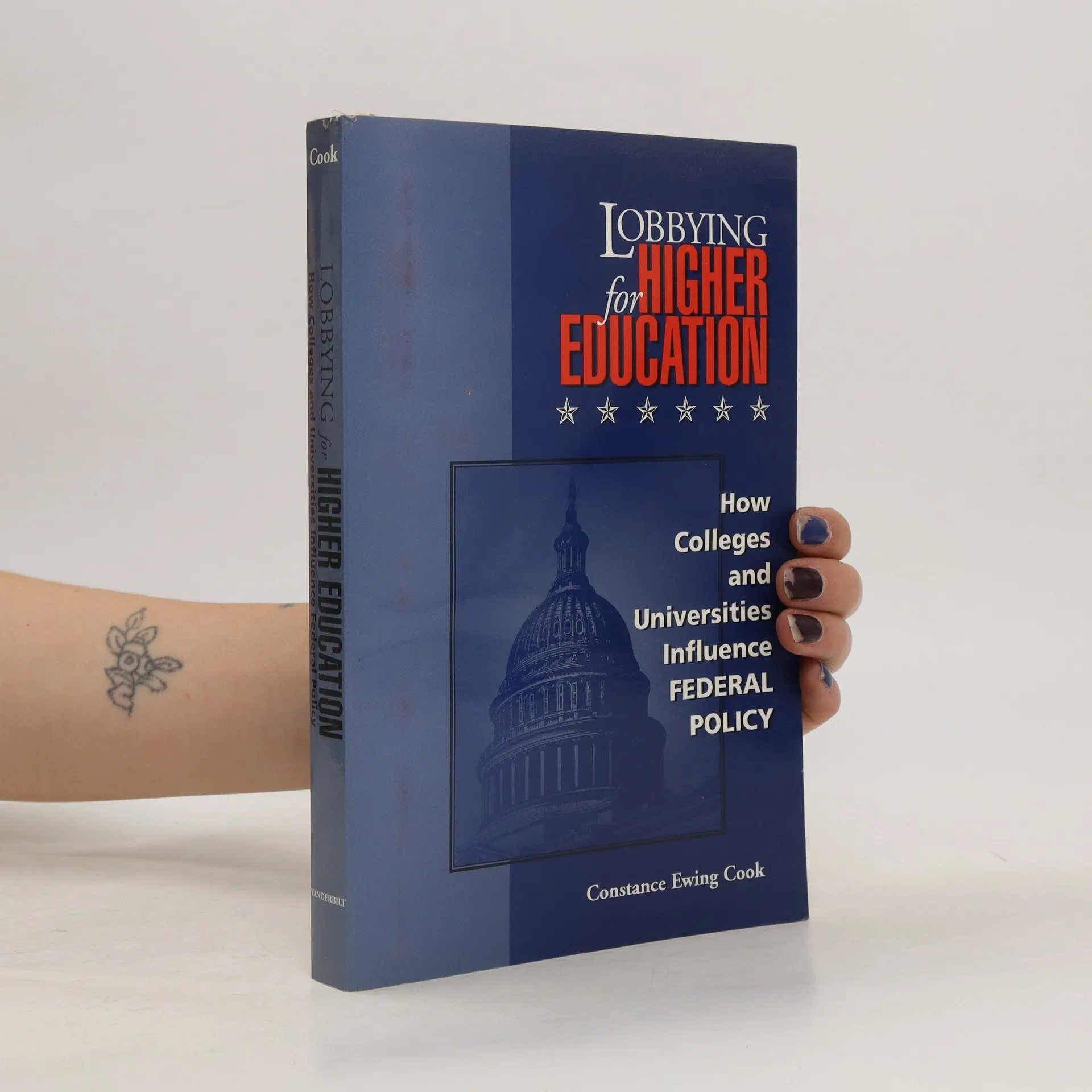
Lobbying for Higher Education is about how the major higher education associations and the constituent American colleges and universities try to influence federal policy, especially congressional policy. In clear prose it explains how the higher education community organizes itself in Washington, how it lobbies, and how its major interest groups are perceived both by their own members and by public officials. The book focuses on the crucial development in 1995-1996 of a new lobbying paradigm, which included the greater use of campus-based resources and ad hoc coalitions. The author, Constance Cook, used sources unique to this project: over 1,500 survey responses from college and university presidents (a 62% return rate) and nearly 150 interviews with institutional and association leaders.
Book purchase
Lobbying for Higher Education, Constance Ewing Cook
- Language

- Released
- 1998
- Binding
- (Paperback)
Payment methods
We’re missing your review here.
- Title
- Lobbying for Higher Education
- Language
- English
- Authors
- Constance Ewing Cook
- Publisher
- Vanderbilt University Press
- Released
- 1998
- Format
- Paperback
- ISBN10
- 0826513174
- ISBN13
- 9780826513175
- Series
- Rating
- 3.8 out of 5
- Description
- Lobbying for Higher Education is about how the major higher education associations and the constituent American colleges and universities try to influence federal policy, especially congressional policy. In clear prose it explains how the higher education community organizes itself in Washington, how it lobbies, and how its major interest groups are perceived both by their own members and by public officials. The book focuses on the crucial development in 1995-1996 of a new lobbying paradigm, which included the greater use of campus-based resources and ad hoc coalitions. The author, Constance Cook, used sources unique to this project: over 1,500 survey responses from college and university presidents (a 62% return rate) and nearly 150 interviews with institutional and association leaders.