

Parameters
- 320 pages
- 12 hours of reading
More about the book
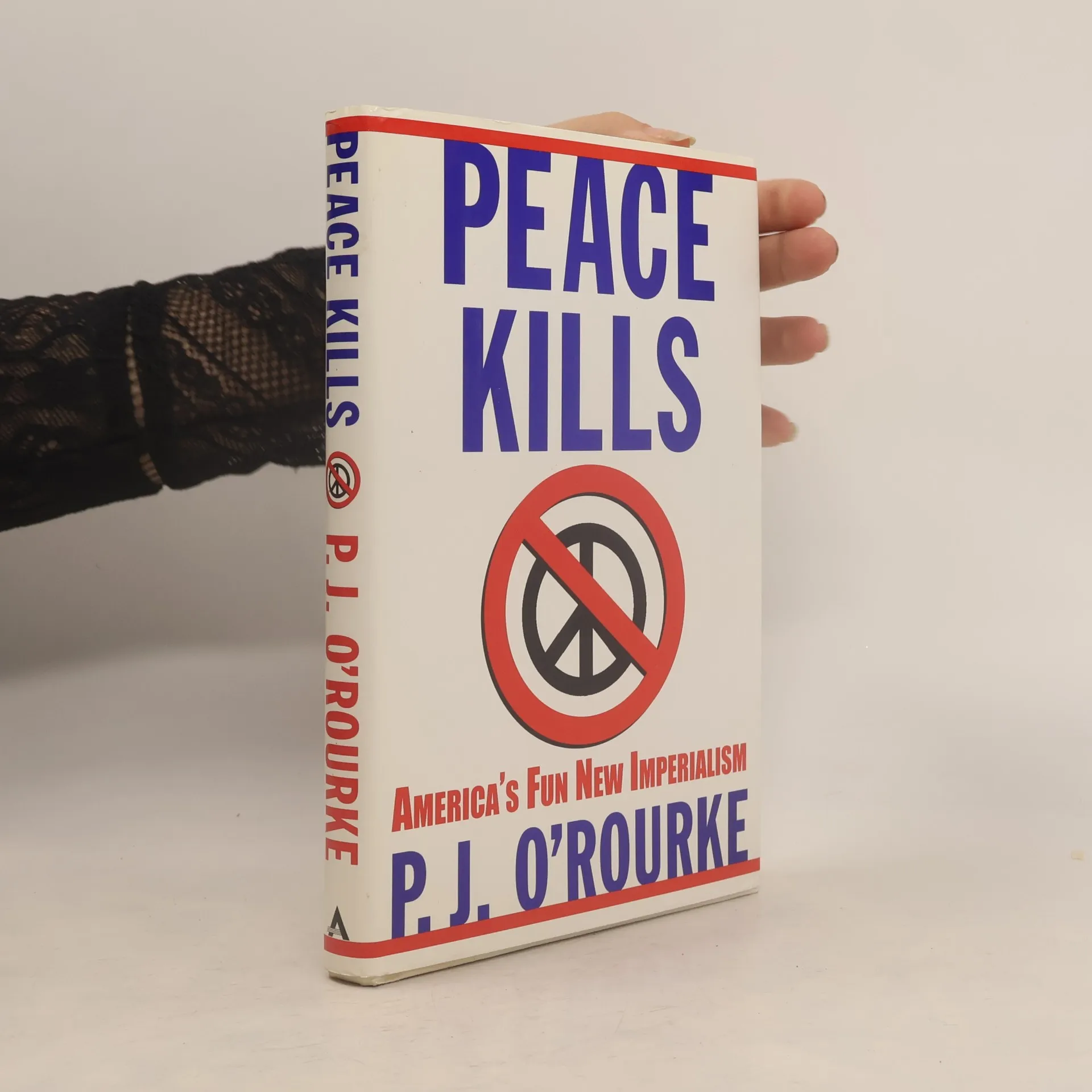
P. J. O'Rourke explores the complexities of modern conflict and intervention. In Kosovo, he reflects on America's delayed responses to injustice, humorously noting, "Wherever there's injustice, oppression, and suffering, America will show up six months late and bomb the country next to where it's happening." His journey takes him to Israel during the intifada, where he muses on the implications of people returning to ancestral homes after long absences, a scenario familiar to many parents. In Egypt post-9/11, he grapples with the question of why the Middle East seems chaotic, suggesting that such behavior has roots in humanity's early days. O'Rourke also critiques the influence of French culture on global morality, observing that whatever direction France points—be it toward collaboration with Nazis or existentialism—others can feel justified in choosing the opposite path. His travels culminate in Baghdad, where he stands in one of Saddam's palaces and quips that "felony interior decorating" could justify the invasion. Through humor and keen observation, O'Rourke offers a unique perspective on the absurdities of war and the complexities of international relations.


Book purchase
Peace Kills, P. J. O’Rourke
- Language

- Released
- 2004
- Binding
- (Hardcover),
- Book condition
- Good
- Price
- €6.89
Payment methods
We’re missing your review here.
- Title
- Peace Kills
- Subtitle
- America's Fun New Imperialism
- Language
- English
- Authors
- P. J. O’Rourke
- Publisher
- Atlantic Monthly Press
- Released
- 2004
- Format
- Hardcover
- Pages
- 320
- ISBN10
- 0871139197
- ISBN13
- 9780871139191
- Series
- Categories
- Tags
- Historical Themes, Humor, Politics, Comedies, Journalism
- Rating
- 3.45 out of 5
- Description
- P. J. O'Rourke explores the complexities of modern conflict and intervention. In Kosovo, he reflects on America's delayed responses to injustice, humorously noting, "Wherever there's injustice, oppression, and suffering, America will show up six months late and bomb the country next to where it's happening." His journey takes him to Israel during the intifada, where he muses on the implications of people returning to ancestral homes after long absences, a scenario familiar to many parents. In Egypt post-9/11, he grapples with the question of why the Middle East seems chaotic, suggesting that such behavior has roots in humanity's early days. O'Rourke also critiques the influence of French culture on global morality, observing that whatever direction France points—be it toward collaboration with Nazis or existentialism—others can feel justified in choosing the opposite path. His travels culminate in Baghdad, where he stands in one of Saddam's palaces and quips that "felony interior decorating" could justify the invasion. Through humor and keen observation, O'Rourke offers a unique perspective on the absurdities of war and the complexities of international relations.