



More about the book
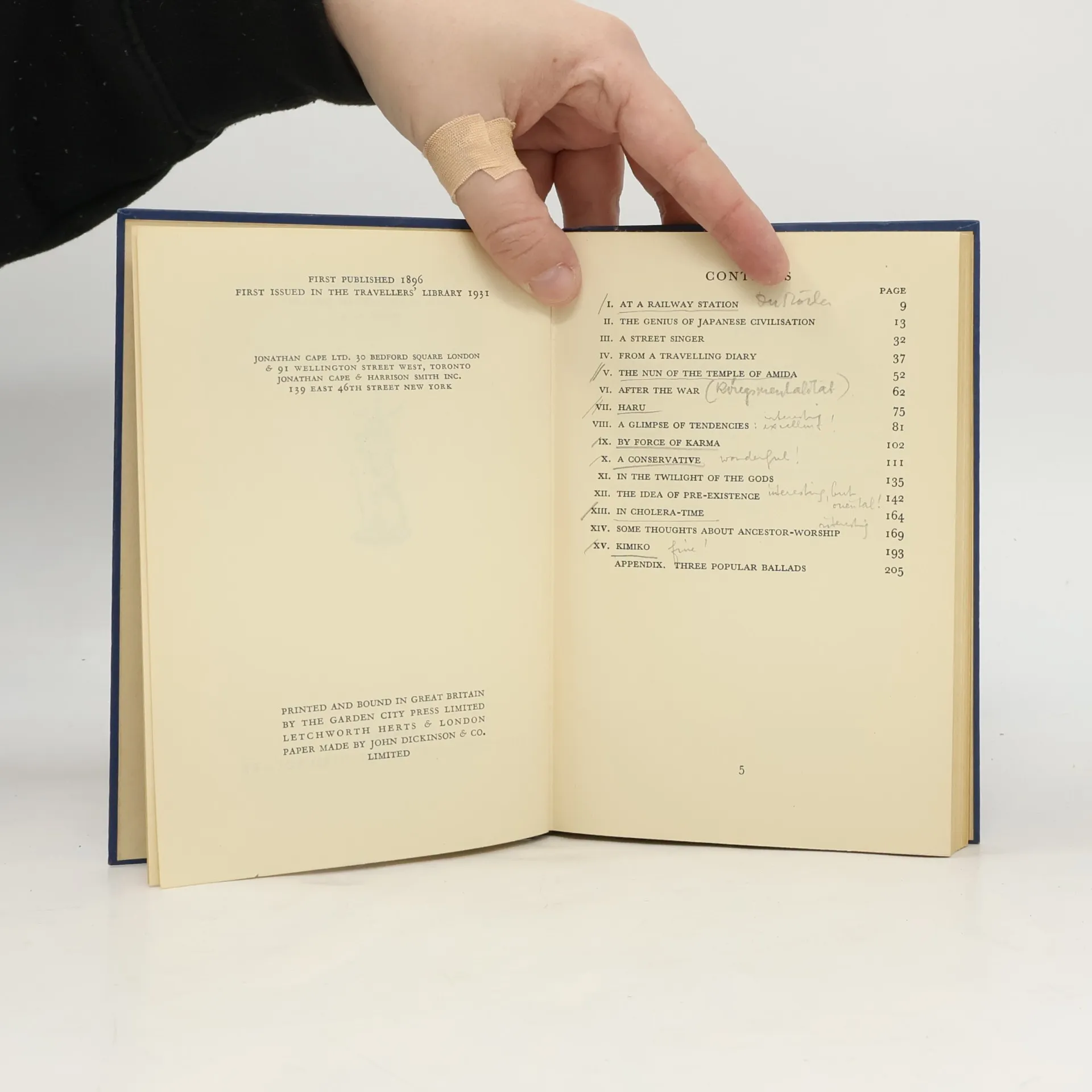
The works of Lafcadio Hearn (Koizumi Yakumo) played a critical role in introducing his adopted Japan to a worldwide audience. In Kokoro: Hints and Echoes of Japanese Inner Life, he writes, "The papers composing this volume treat of the inner rather than of the outer life of Japan, - for which reason they have been grouped under the title Kokoro (heart). This word signifies also mind, in the emotional sense; spirit; courage; resolve; sentiment; affection; and inner meaning, - just as we say in English, 'the heart of things.'" After centuries of isolation Meiji-era Japan was forced to adjust its customs and beliefs to Western influences, and Hearn reflects on the value of these traditions of the "heart" as seen in Japanese popular justice, arts, economy, patriotism, and religion. Chapters include: At a Railway Station - The Genius of Japanese Civilization - A Street Singer - From a Traveling Diary - The Nun of the Temple of Amida - After the War - Haru - A Glimpse of Tendencies - By Force of Karma - A Conservative - In the Twilight of the Gods - The Idea of Preëxistence - In Cholera-Time - Some Thoughts About Ancestor-Worship - Kimiko - Three Popular Ballads: The Ballad of Shūntoku-maru - The Ballad of Oguri-Hangwan - The Ballad of O-Shichi, the Daughter of the Yaoya.




Book purchase
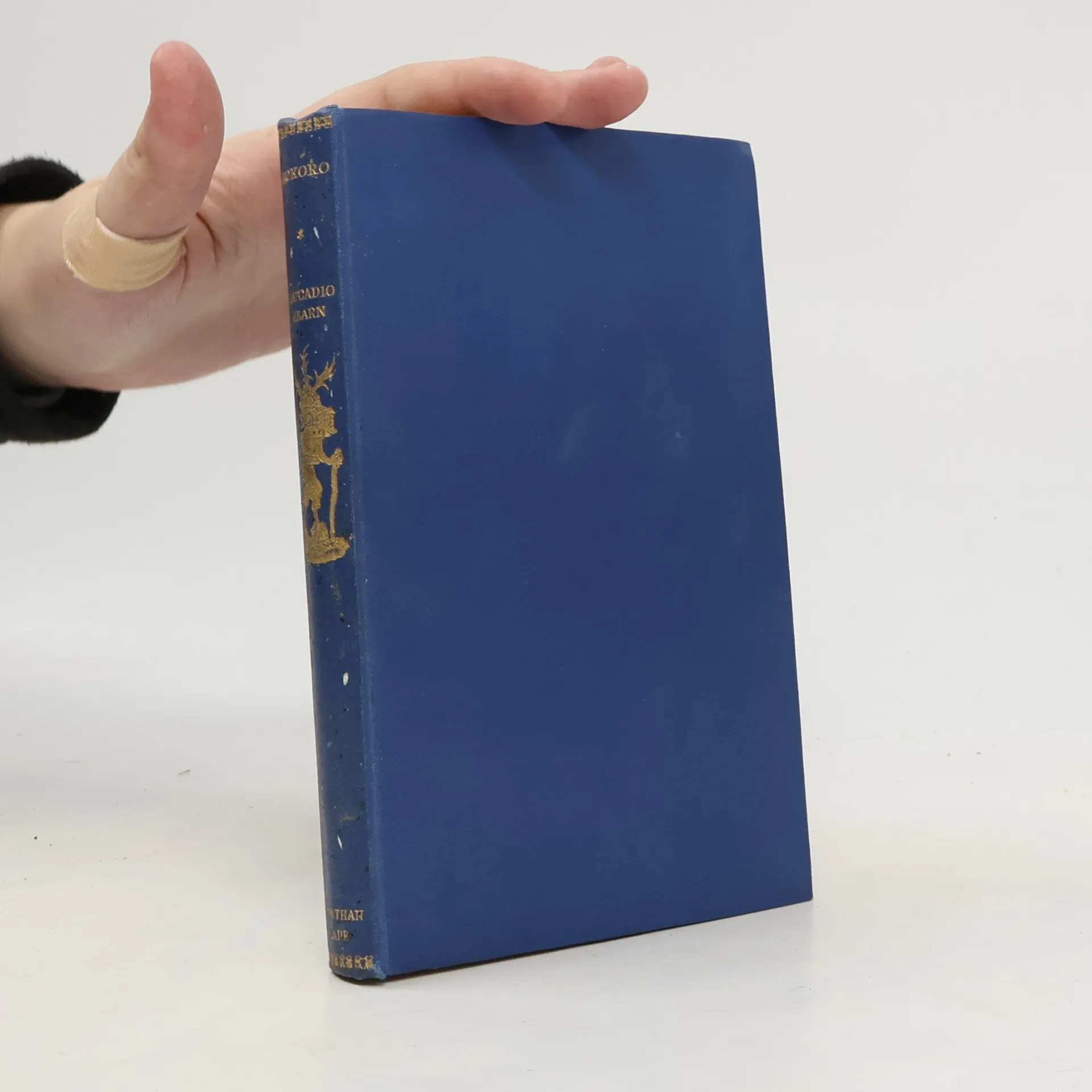
Kokoro, Lafcadio Hearn
- Language

- Released
- 1931
- Binding
- (Hardcover),
- Book condition
- Good
- Price
- €14.49
Payment methods
We’re missing your review here.
- Title
- Kokoro
- Language
- English
- Authors
- Lafcadio Hearn
- Publisher
- Garden City Press
- Released
- 1931
- Format
- Hardcover
- Series
- Rating
- 4.2 out of 5
- Description
- The works of Lafcadio Hearn (Koizumi Yakumo) played a critical role in introducing his adopted Japan to a worldwide audience. In Kokoro: Hints and Echoes of Japanese Inner Life, he writes, "The papers composing this volume treat of the inner rather than of the outer life of Japan, - for which reason they have been grouped under the title Kokoro (heart). This word signifies also mind, in the emotional sense; spirit; courage; resolve; sentiment; affection; and inner meaning, - just as we say in English, 'the heart of things.'" After centuries of isolation Meiji-era Japan was forced to adjust its customs and beliefs to Western influences, and Hearn reflects on the value of these traditions of the "heart" as seen in Japanese popular justice, arts, economy, patriotism, and religion. Chapters include: At a Railway Station - The Genius of Japanese Civilization - A Street Singer - From a Traveling Diary - The Nun of the Temple of Amida - After the War - Haru - A Glimpse of Tendencies - By Force of Karma - A Conservative - In the Twilight of the Gods - The Idea of Preëxistence - In Cholera-Time - Some Thoughts About Ancestor-Worship - Kimiko - Three Popular Ballads: The Ballad of Shūntoku-maru - The Ballad of Oguri-Hangwan - The Ballad of O-Shichi, the Daughter of the Yaoya.