


Parameters
More about the book
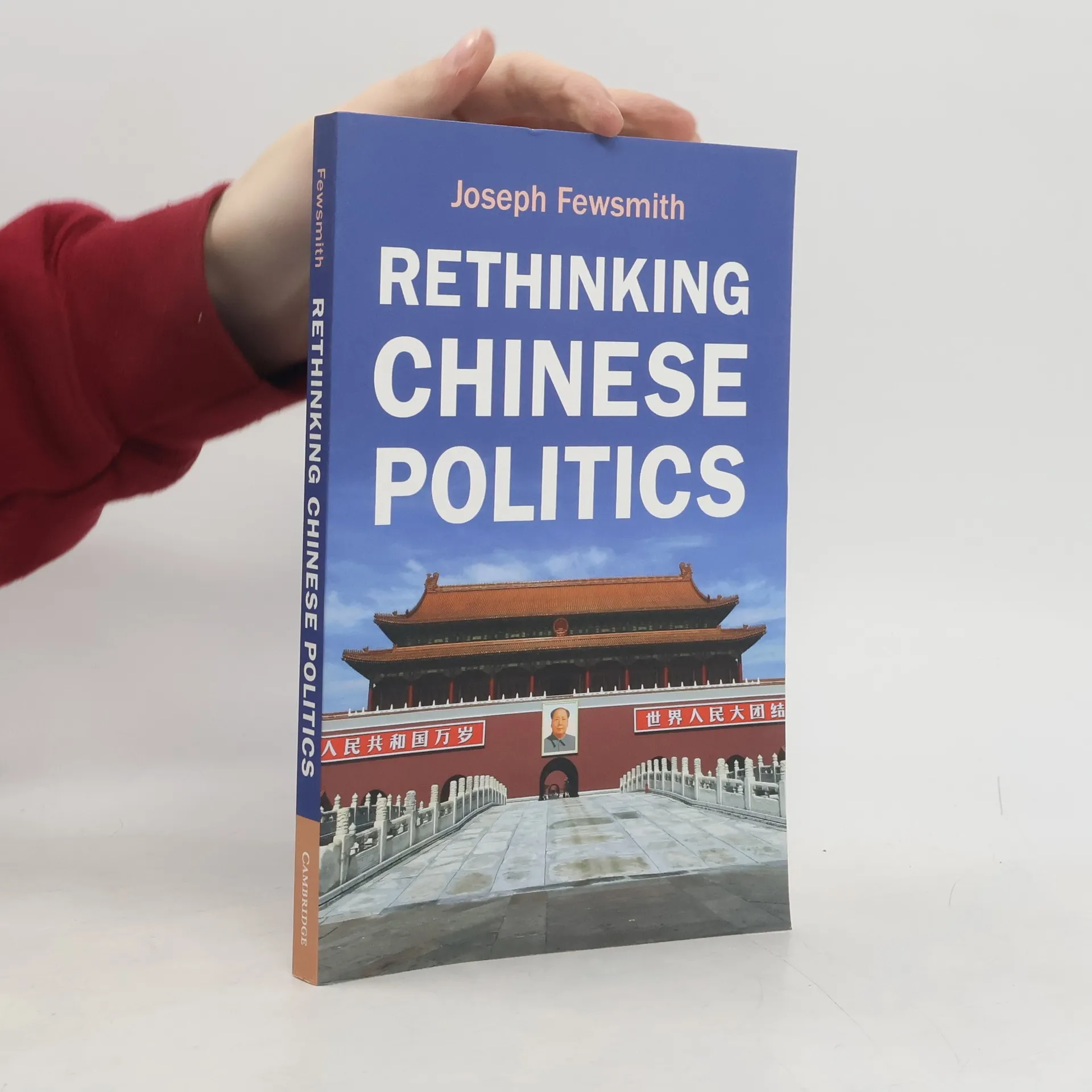
Understanding Chinese politics has become more important than ever. Some argue that China's political system is 'institutionalized' or that 'win all/lose all' struggles are a thing of the past, but, Joseph Fewsmith argues, as in all Leninist systems, political power is difficult to pass on from one leader to the next. Indeed, each new leader must deploy whatever resources he has to gain control over critical positions and thus consolidate power. Fewsmith traces four decades of elite politics from Deng to Xi, showing how each leader has built power (or not). He shows how the structure of politics in China has set the stage for intense and sometimes violent intra-elite struggles, shaping a hierarchy in which one person tends to dominate, and, ironically, providing for periods of stability between intervals of contention.
Publication

Book purchase
Rethinking Chinese Politics, Joseph Fewsmith
- Language

- Released
- 2021
- Binding
- (Paperback)
Payment methods
We’re missing your review here.
- Title
- Rethinking Chinese Politics
- Language
- English
- Authors
- Joseph Fewsmith
- Publisher
- Cambridge University Press
- Released
- 2021
- Format
- Paperback
- ISBN10
- 1108926606
- ISBN13
- 9781108926607
- Series
- Tags
- Historical Themes, Politics, Asia, China
- Rating
- 4.5 out of 5
- Description
- Understanding Chinese politics has become more important than ever. Some argue that China's political system is 'institutionalized' or that 'win all/lose all' struggles are a thing of the past, but, Joseph Fewsmith argues, as in all Leninist systems, political power is difficult to pass on from one leader to the next. Indeed, each new leader must deploy whatever resources he has to gain control over critical positions and thus consolidate power. Fewsmith traces four decades of elite politics from Deng to Xi, showing how each leader has built power (or not). He shows how the structure of politics in China has set the stage for intense and sometimes violent intra-elite struggles, shaping a hierarchy in which one person tends to dominate, and, ironically, providing for periods of stability between intervals of contention.