

More about the book
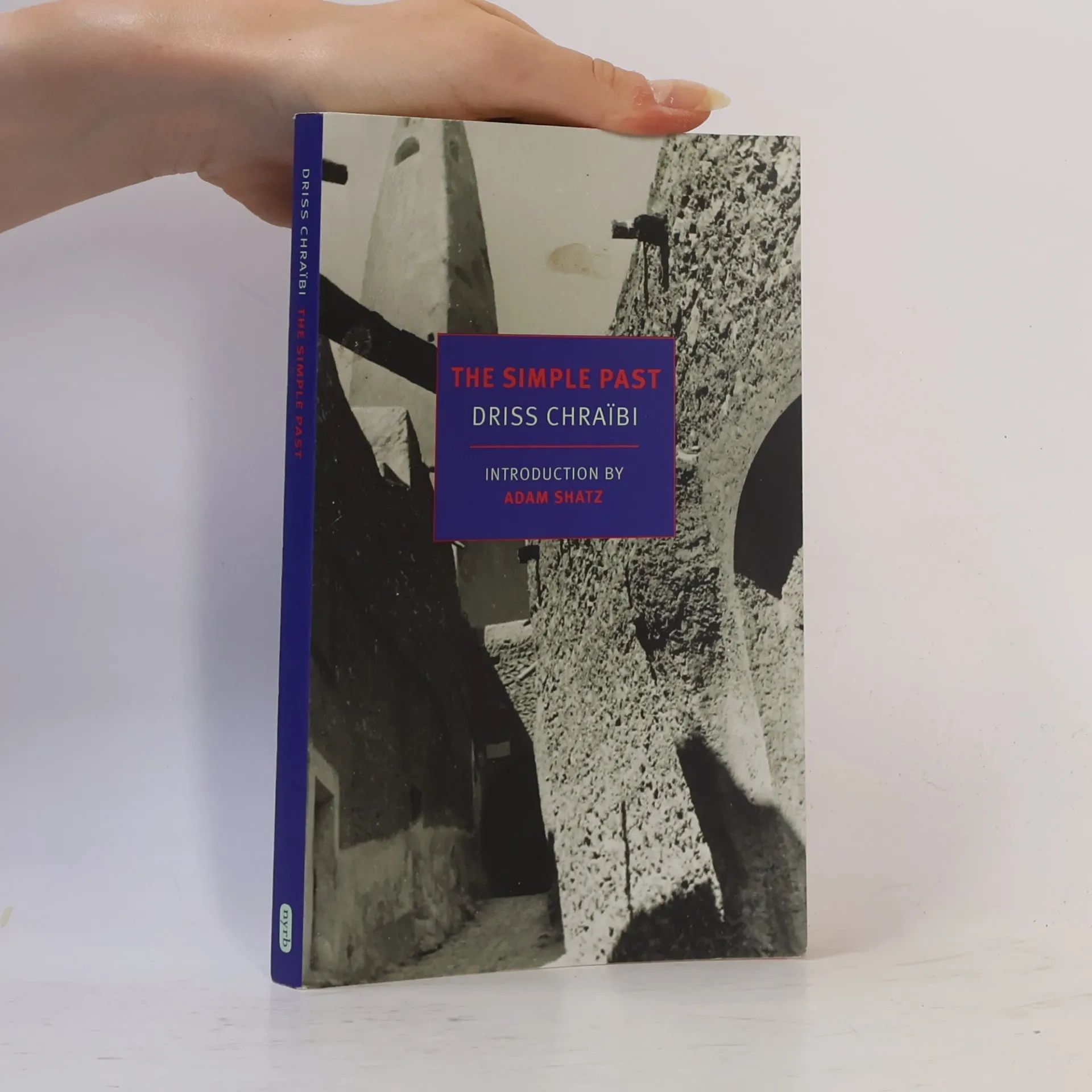
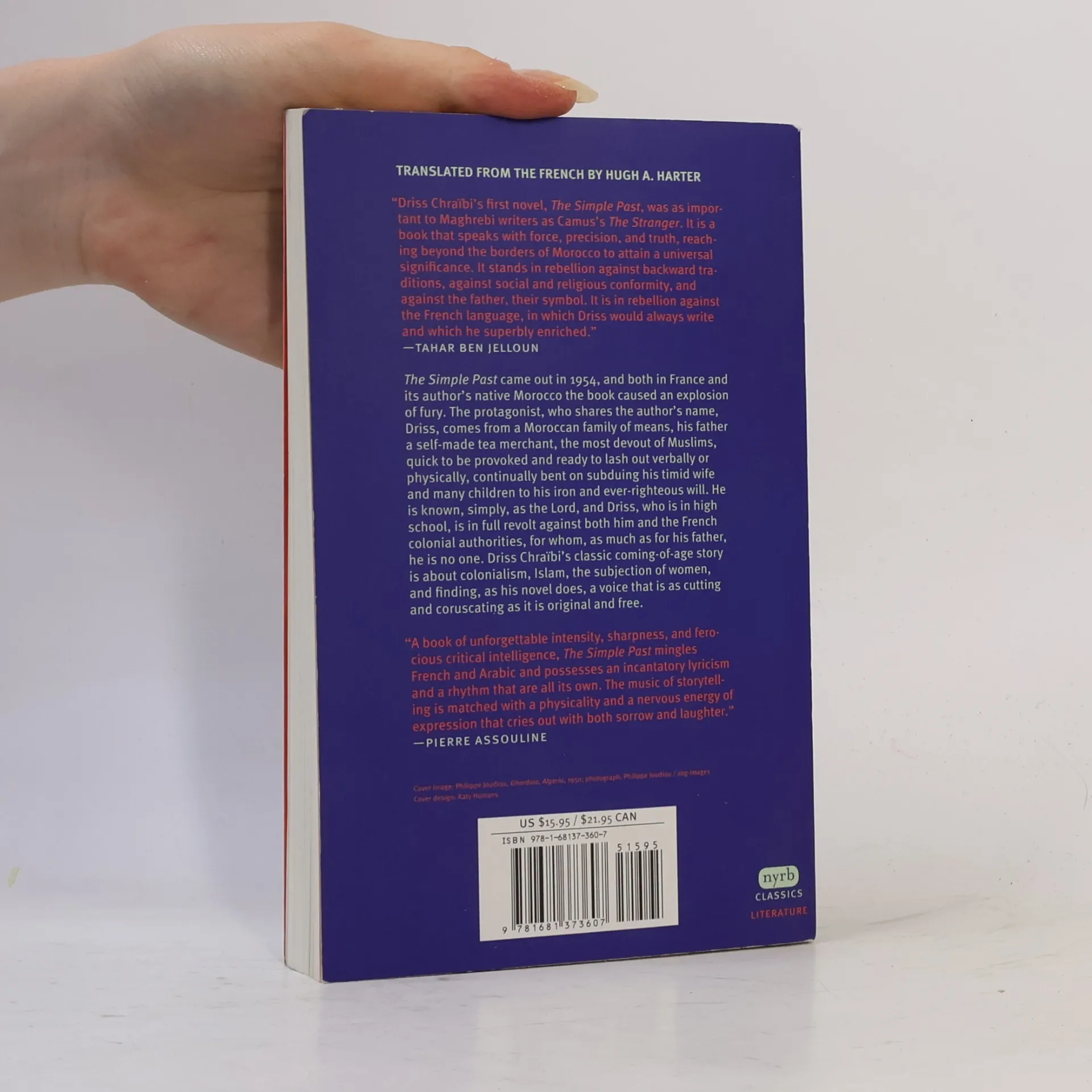
The Simple Past came out in 1954, and both in France and its author’s native Morocco the book caused an explosion of fury. The protagonist, who shares the author’s name, Driss, comes from a Moroccan family of means, his father a self-made tea merchant, the most devout of Muslims, quick to be provoked and ready to lash out verbally or physically, continually bent on subduing his timid wife and many children to his iron and ever-righteous will. He is known, simply, as the Lord, and Driss, who is in high school, is in full revolt against both him and the French colonial authorities, for whom, as much as for his father, he is no one. Driss Chraïbi’s classic coming-of-age story is about colonialism, Islam, the subjection of women, and finding, as his novel does, a voice that is as cutting and coruscating as it is original and free.

Book purchase
The Simple Past, Driss Chraïbi
- Language

- Released
- 2020
- Binding
- (Paperback)
Payment methods
We’re missing your review here.
- Title
- The Simple Past
- Language
- English
- Authors
- Driss Chraïbi
- Publisher
- New York Review of Books
- Released
- 2020
- Format
- Paperback
- Pages
- 172
- ISBN10
- 1681373602
- ISBN13
- 9781681373607
- Series
- Categories
- Tags
- France, Africa, African Literature, Morocco
- Rating
- 3.5 out of 5
- Description
- The Simple Past came out in 1954, and both in France and its author’s native Morocco the book caused an explosion of fury. The protagonist, who shares the author’s name, Driss, comes from a Moroccan family of means, his father a self-made tea merchant, the most devout of Muslims, quick to be provoked and ready to lash out verbally or physically, continually bent on subduing his timid wife and many children to his iron and ever-righteous will. He is known, simply, as the Lord, and Driss, who is in high school, is in full revolt against both him and the French colonial authorities, for whom, as much as for his father, he is no one. Driss Chraïbi’s classic coming-of-age story is about colonialism, Islam, the subjection of women, and finding, as his novel does, a voice that is as cutting and coruscating as it is original and free.