

Parameters
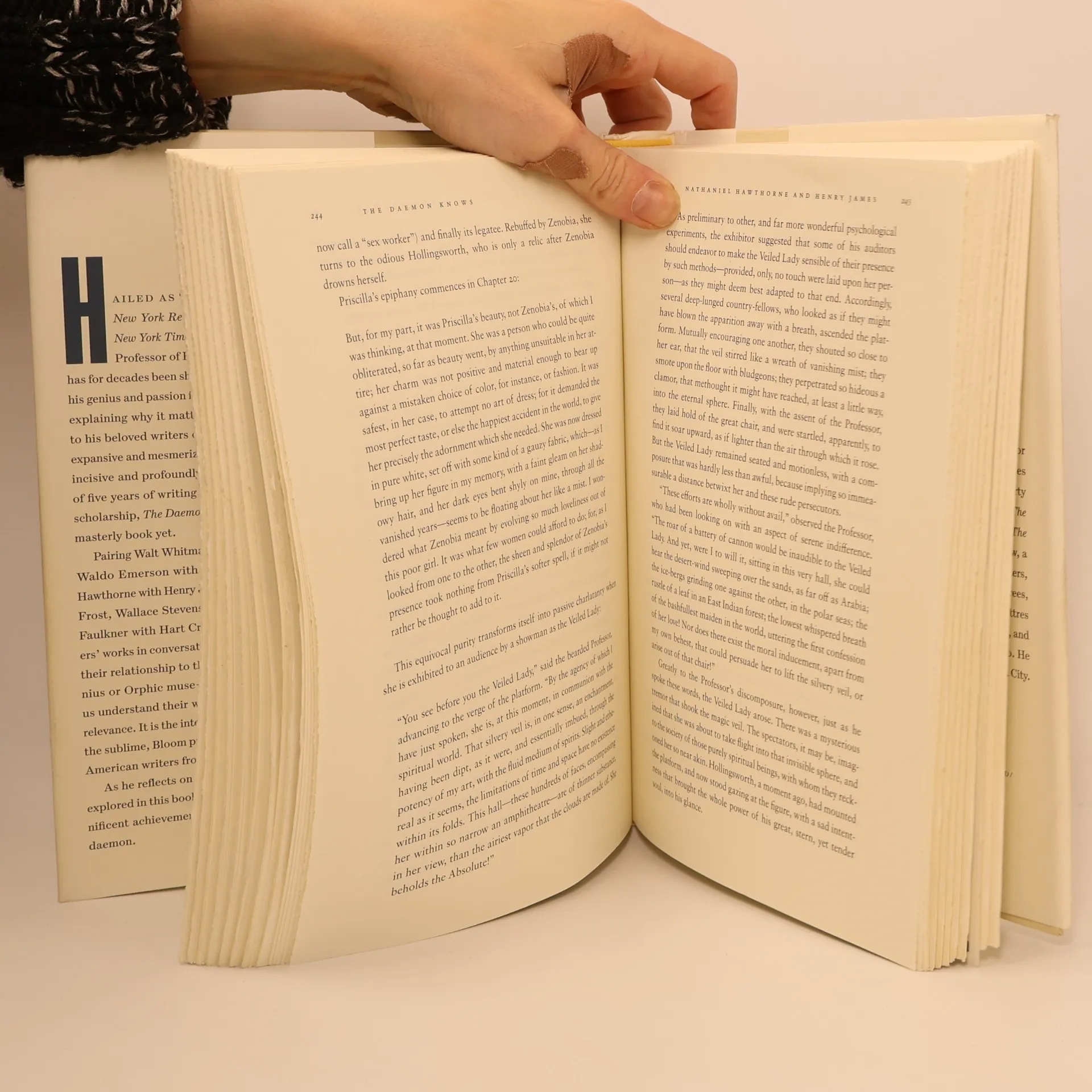
- 544 pages
- 20 hours of reading
More about the book
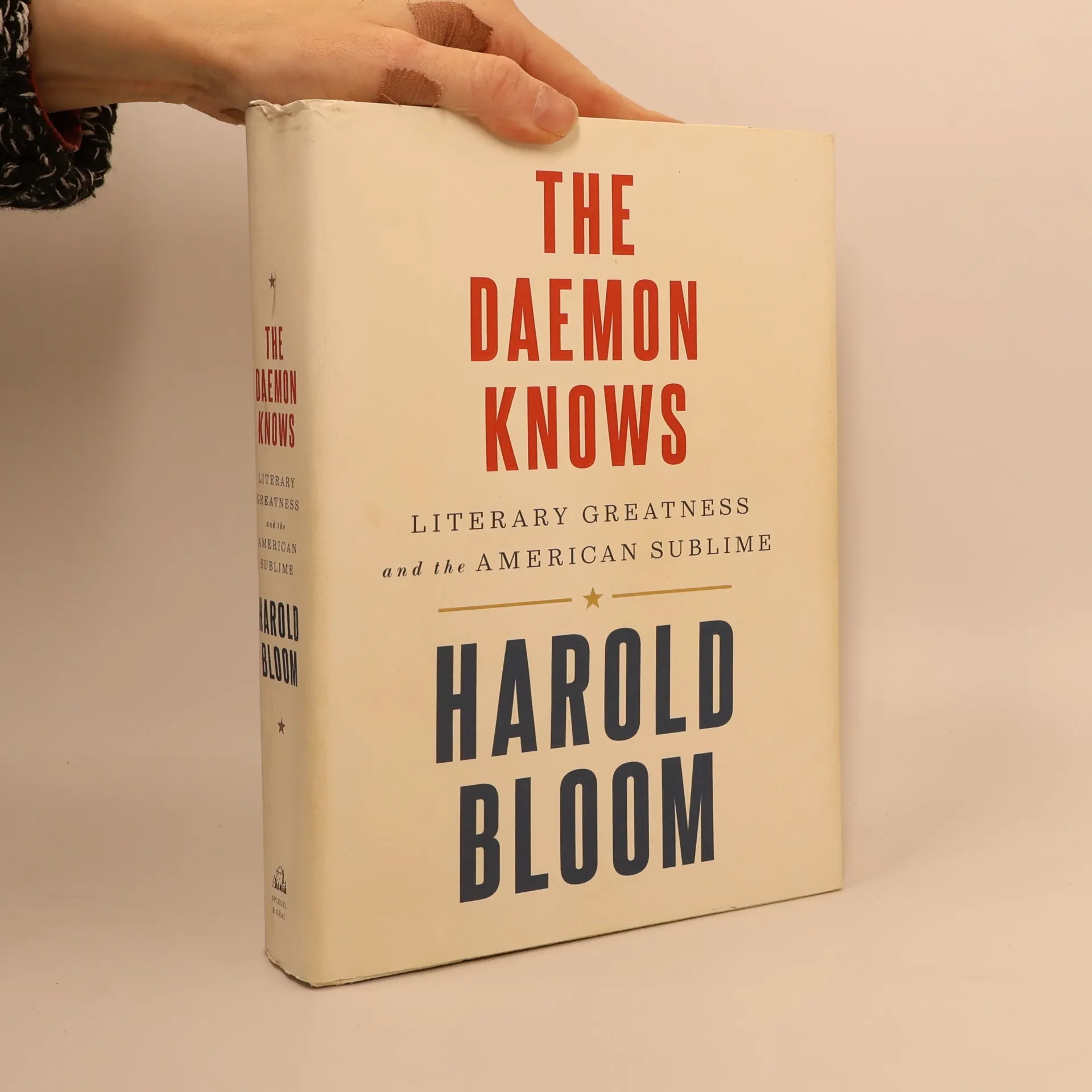
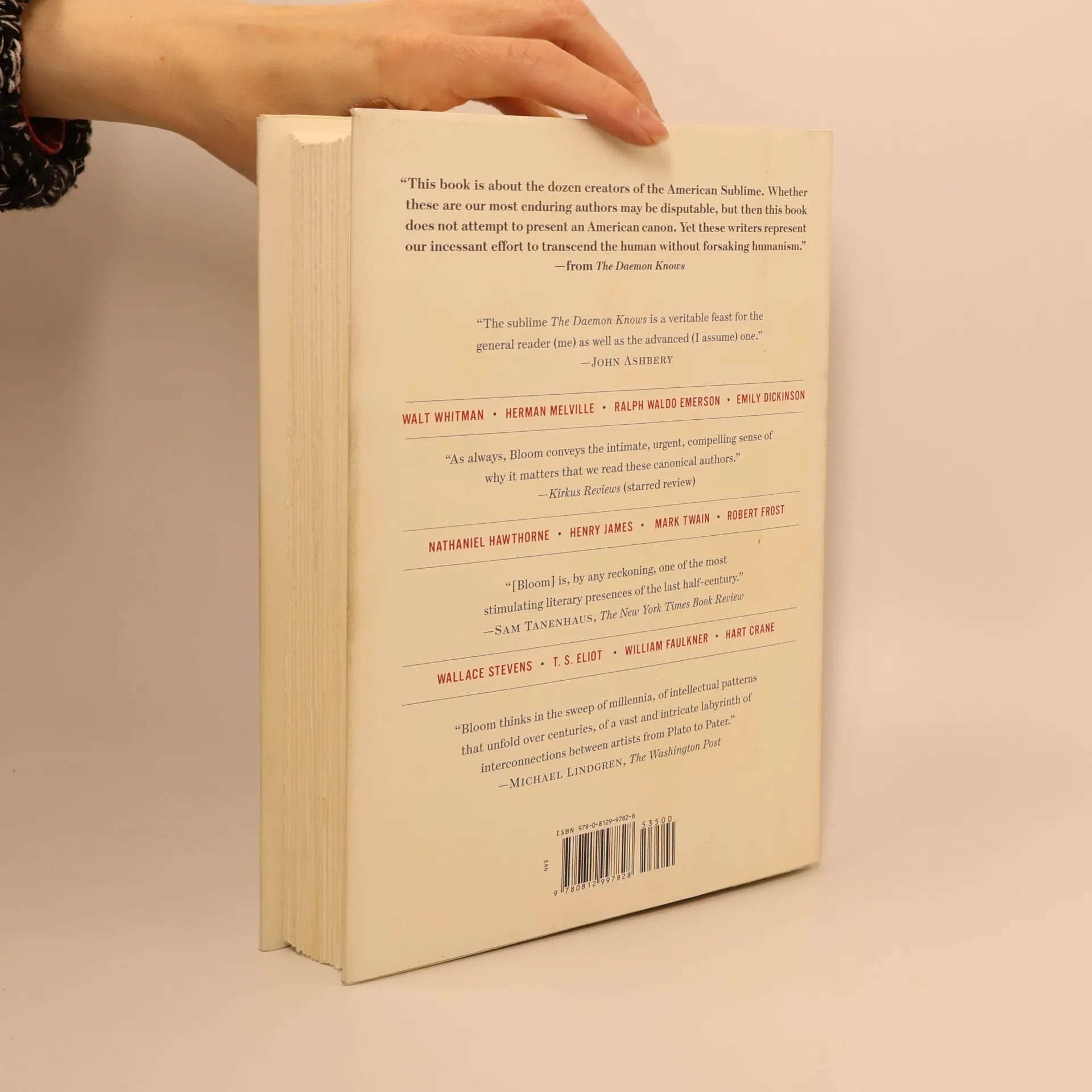
Hailed as “the indispensable critic” by The New York Review of Books, Harold Bloom—New York Times bestselling writer and Sterling Professor of Humanities at Yale—has long shared his passion for literature. In this expansive work, Bloom turns to the beloved writers of American literature, creating one of his most personal and incisive books to date. After five years of writing and a lifetime of scholarship, this may be Bloom’s masterly achievement. He pairs iconic figures such as Walt Whitman with Herman Melville, Ralph Waldo Emerson with Emily Dickinson, and Mark Twain with Robert Frost, exploring their relationships to the “daemon”—the spark of genius or muse—in their creative processes. Bloom argues that the intensity of these writers’ preoccupation with the sublime sets them apart from their European counterparts. Reflecting on a lifetime engaged with the works discussed, Bloom presents a text touched by the daemon itself. Praise highlights the book as a feast for both general and advanced readers, emphasizing Bloom's stimulating presence in literature and his compelling insights into why these canonical authors matter. Critics laud his ability to connect intellectual patterns across centuries, solidifying his status as a colossus among critics.

Book purchase
The Daemon Knows, Harold Bloom
- Language

- Released
- 2015
- Binding
- (Hardcover)
Payment methods
We’re missing your review here.
- Title
- The Daemon Knows
- Subtitle
- Literary Greatness and the American Sublime
- Language
- English
- Authors
- Harold Bloom
- Publisher
- Spiegel & Grau
- Released
- 2015
- Format
- Hardcover
- Pages
- 544
- ISBN10
- 0812997824
- ISBN13
- 9780812997828
- Series
- Rating
- 4.5 out of 5
- Description
- Hailed as “the indispensable critic” by The New York Review of Books, Harold Bloom—New York Times bestselling writer and Sterling Professor of Humanities at Yale—has long shared his passion for literature. In this expansive work, Bloom turns to the beloved writers of American literature, creating one of his most personal and incisive books to date. After five years of writing and a lifetime of scholarship, this may be Bloom’s masterly achievement. He pairs iconic figures such as Walt Whitman with Herman Melville, Ralph Waldo Emerson with Emily Dickinson, and Mark Twain with Robert Frost, exploring their relationships to the “daemon”—the spark of genius or muse—in their creative processes. Bloom argues that the intensity of these writers’ preoccupation with the sublime sets them apart from their European counterparts. Reflecting on a lifetime engaged with the works discussed, Bloom presents a text touched by the daemon itself. Praise highlights the book as a feast for both general and advanced readers, emphasizing Bloom's stimulating presence in literature and his compelling insights into why these canonical authors matter. Critics laud his ability to connect intellectual patterns across centuries, solidifying his status as a colossus among critics.