

More about the book
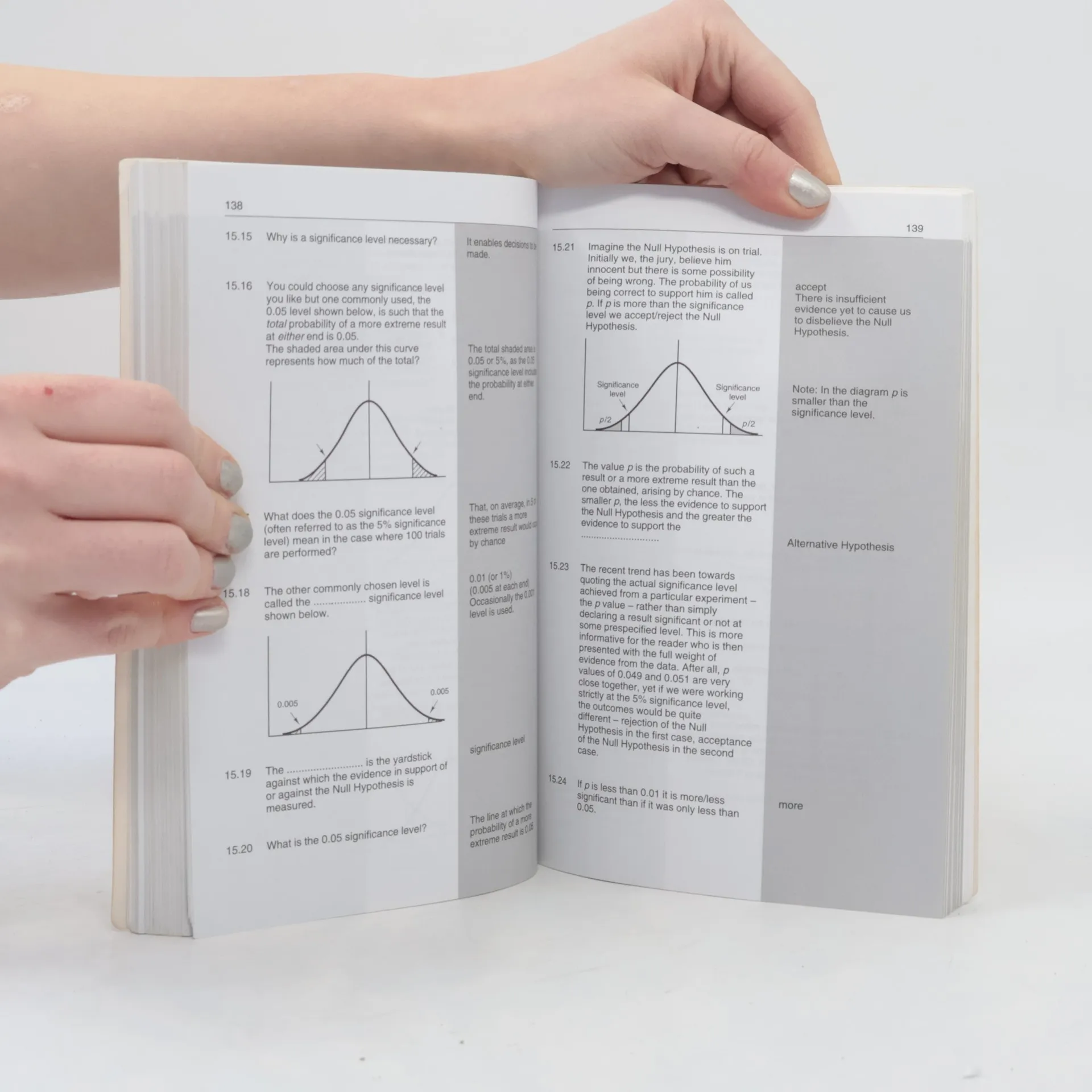
Many medical and pharmaceutical workers have very little knowledge of statistics. Yet statistics is one of the tools must commonly used in their field. This book aims to give the reader a clear understanding of statistics, particularly in a medical context.The book has been carefully structured to make it easy to use and to learn from. The numerical examples used are simple, to ensure the reader grasps quickly the underlying principles, and the first part of the book is particularly easy reading to encourage the reader initially. The main part of the book dispenses in formation in small doses called 'frames' with questions and answers designed to continously test the reader's grasp of the subject matter. This makes the book particularly useful for self-testing - a powerful way to learn. Moreover, many of the answers feature further explanation or comment to give background to the point being made.As a whole, the book is meant to be read from start to finish (not 'dipped into') so that each point leads on logically, building up the reader's knowledge sequentially. However to cement that knowledge and help revision, each chapter ends with revision summaries covering fully the chapter


Book purchase
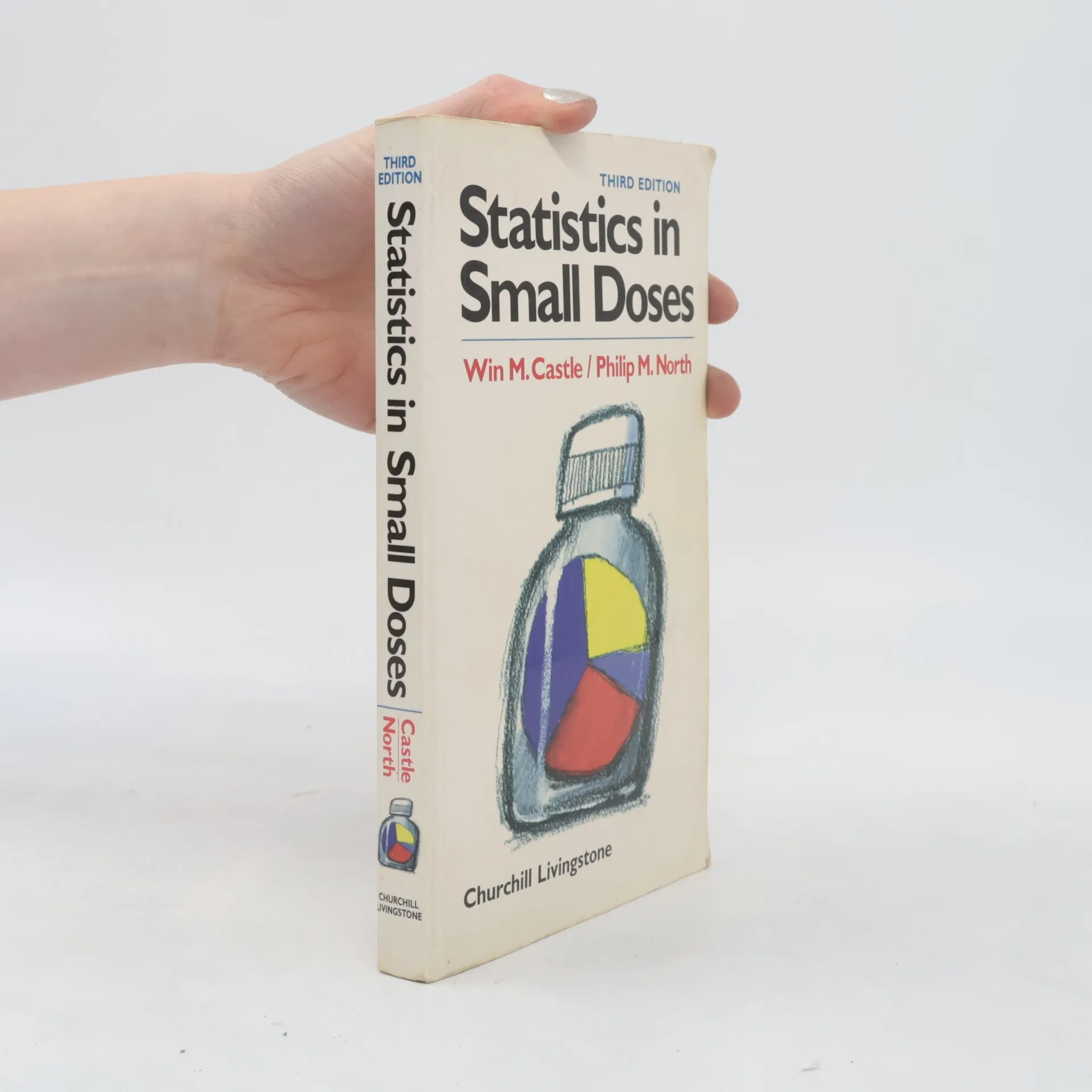
Statistics in Small Doses, Winifred Mary Castle, Philip M. North
- Language

- Released
- 1995
- Binding
- (Paperback)
Payment methods
No one has rated yet.
- Title
- Statistics in Small Doses
- Subtitle
- Third Edition
- Language
- English
- Authors
- Winifred Mary Castle, Philip M. North
- Publisher
- Churchill Livingstone
- Released
- 1995
- Format
- Paperback
- Pages
- 280
- ISBN10
- 0443045429
- ISBN13
- 9780443045424
- Series
- Categories
- Tags
- Description
- Many medical and pharmaceutical workers have very little knowledge of statistics. Yet statistics is one of the tools must commonly used in their field. This book aims to give the reader a clear understanding of statistics, particularly in a medical context.The book has been carefully structured to make it easy to use and to learn from. The numerical examples used are simple, to ensure the reader grasps quickly the underlying principles, and the first part of the book is particularly easy reading to encourage the reader initially. The main part of the book dispenses in formation in small doses called 'frames' with questions and answers designed to continously test the reader's grasp of the subject matter. This makes the book particularly useful for self-testing - a powerful way to learn. Moreover, many of the answers feature further explanation or comment to give background to the point being made.As a whole, the book is meant to be read from start to finish (not 'dipped into') so that each point leads on logically, building up the reader's knowledge sequentially. However to cement that knowledge and help revision, each chapter ends with revision summaries covering fully the chapter