

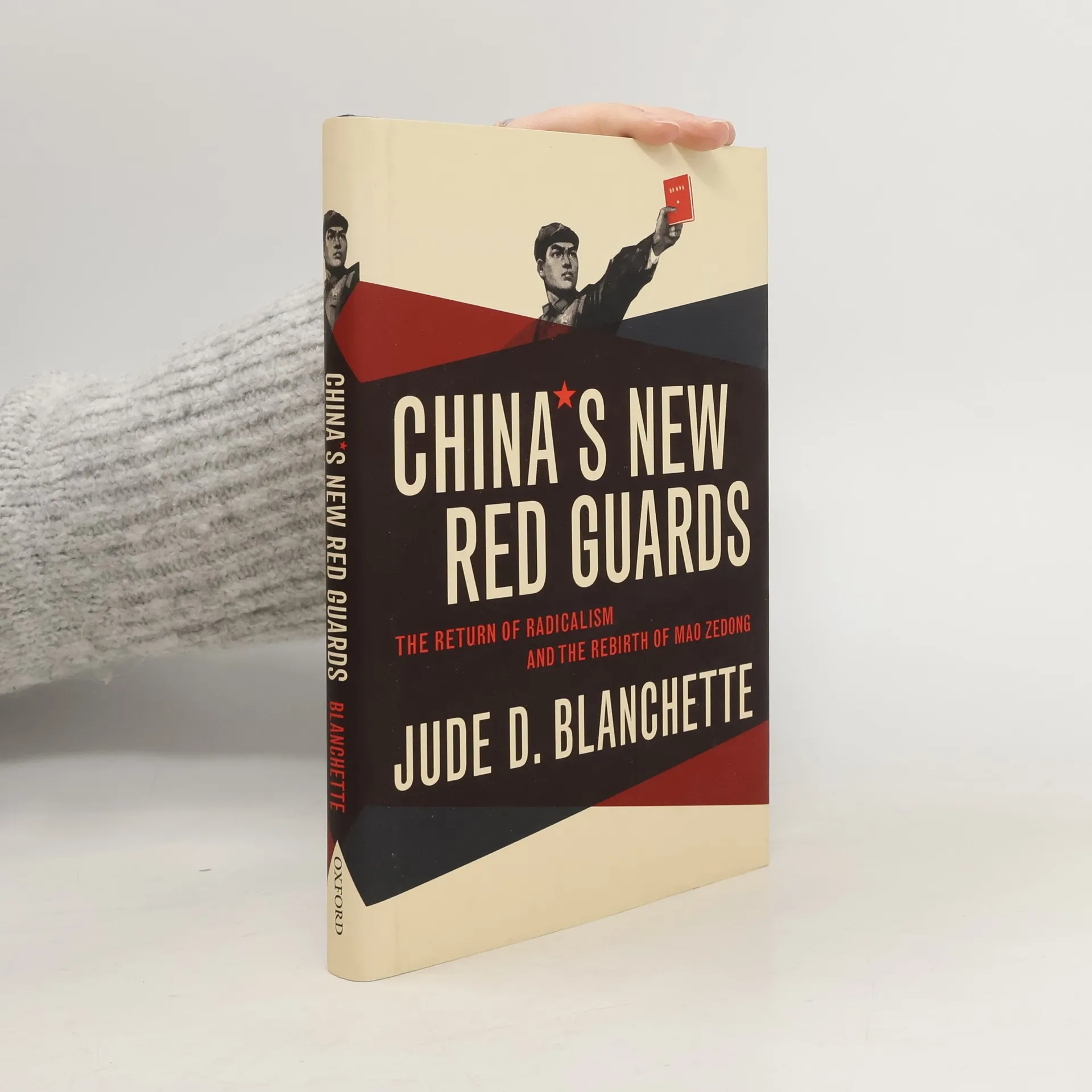
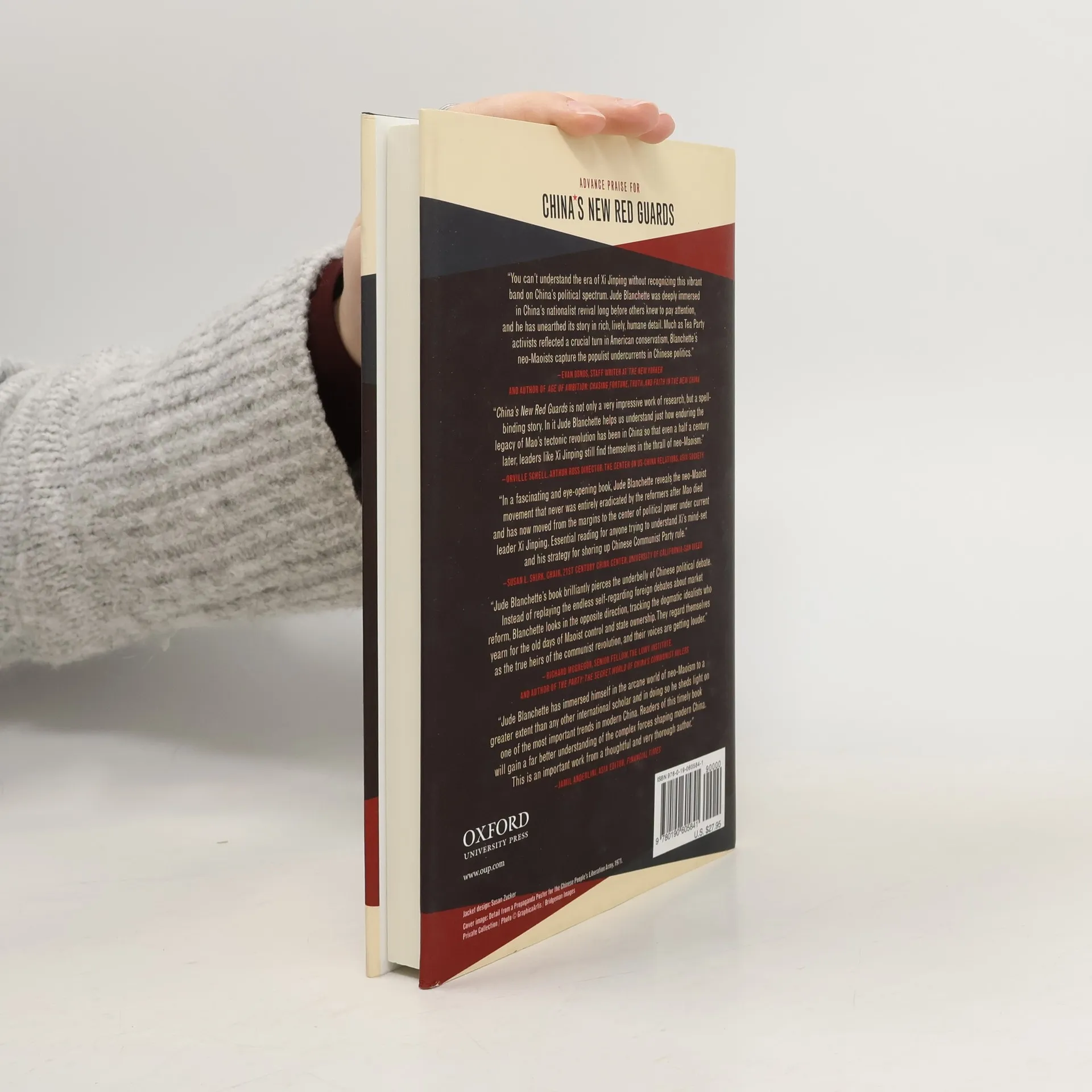

China's New Red Guards
The Return of Radicalism and the Rebirth of Mao Zedong
Authors
Book rating
More about the book
Since Deng Xiaoping's de-radicalization of China in the 1980s, debates have emerged about the country's future—whether it would democratize, adopt capitalism, or if the Communist Party could endure the Internet's influence. However, a significant discussion about Mao Zedong's potential political resurgence was notably absent. Jude Blanchette reveals that contemporary China is witnessing a revival of extreme authoritarianism inspired by the Mao era. Under Xi Jinping, state control over the economy is tightening, civil society faces relentless pressure, and the Communist Party is expanding its influence like never before. Xi's assertion in late 2017 that "the party is the leader of all" underscores this shift. This trend is further fueled by a grassroots backlash against Western concepts of modernity, such as political pluralism, the rule of law, and free-market principles. A group of nationalist intellectuals and activists has sparked a wave of populist enthusiasm for Mao's policies. This examination will reshape our understanding of the political dynamics in contemporary China and illustrate how ideologies can thrive despite widespread predictions of their decline.
Publication

Book purchase
China's New Red Guards, Jude Blanchette
- Language

- Released
- 2019
- Binding
- (Hardcover)
Payment methods
We’re missing your review here.
- Title
- China's New Red Guards
- Subtitle
- The Return of Radicalism and the Rebirth of Mao Zedong
- Language
- English
- Authors
- Jude Blanchette
- Publisher
- Oxford University Press
- Released
- 2019
- Format
- Hardcover
- Pages
- 224
- ISBN10
- 0190605847
- ISBN13
- 9780190605841
- Series
- Tags
- Historical Themes, Politics, Asia, China
- Rating
- 3.85 out of 5
- Description
- Since Deng Xiaoping's de-radicalization of China in the 1980s, debates have emerged about the country's future—whether it would democratize, adopt capitalism, or if the Communist Party could endure the Internet's influence. However, a significant discussion about Mao Zedong's potential political resurgence was notably absent. Jude Blanchette reveals that contemporary China is witnessing a revival of extreme authoritarianism inspired by the Mao era. Under Xi Jinping, state control over the economy is tightening, civil society faces relentless pressure, and the Communist Party is expanding its influence like never before. Xi's assertion in late 2017 that "the party is the leader of all" underscores this shift. This trend is further fueled by a grassroots backlash against Western concepts of modernity, such as political pluralism, the rule of law, and free-market principles. A group of nationalist intellectuals and activists has sparked a wave of populist enthusiasm for Mao's policies. This examination will reshape our understanding of the political dynamics in contemporary China and illustrate how ideologies can thrive despite widespread predictions of their decline.