

Parameters
- 112 pages
- 4 hours of reading
More about the book
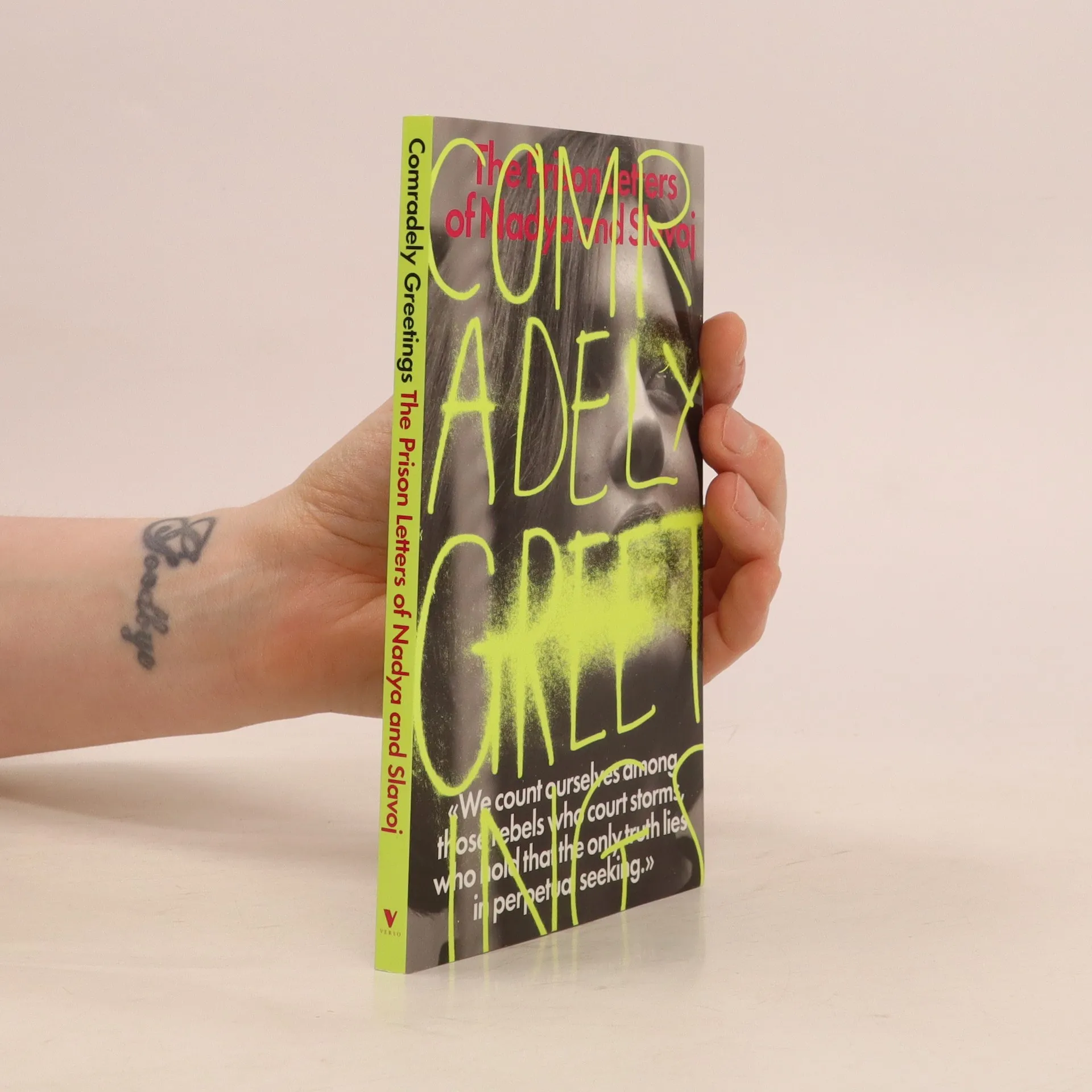
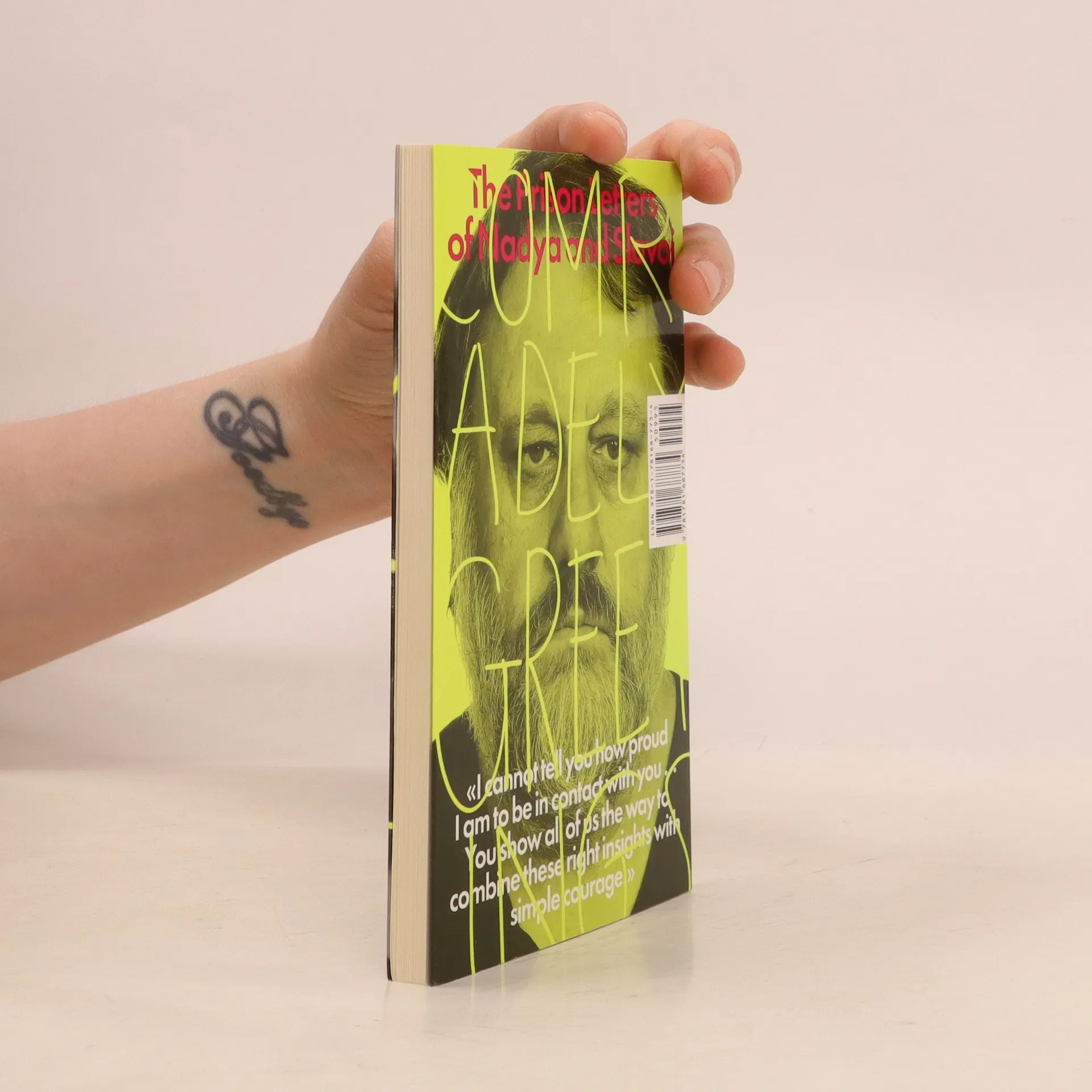
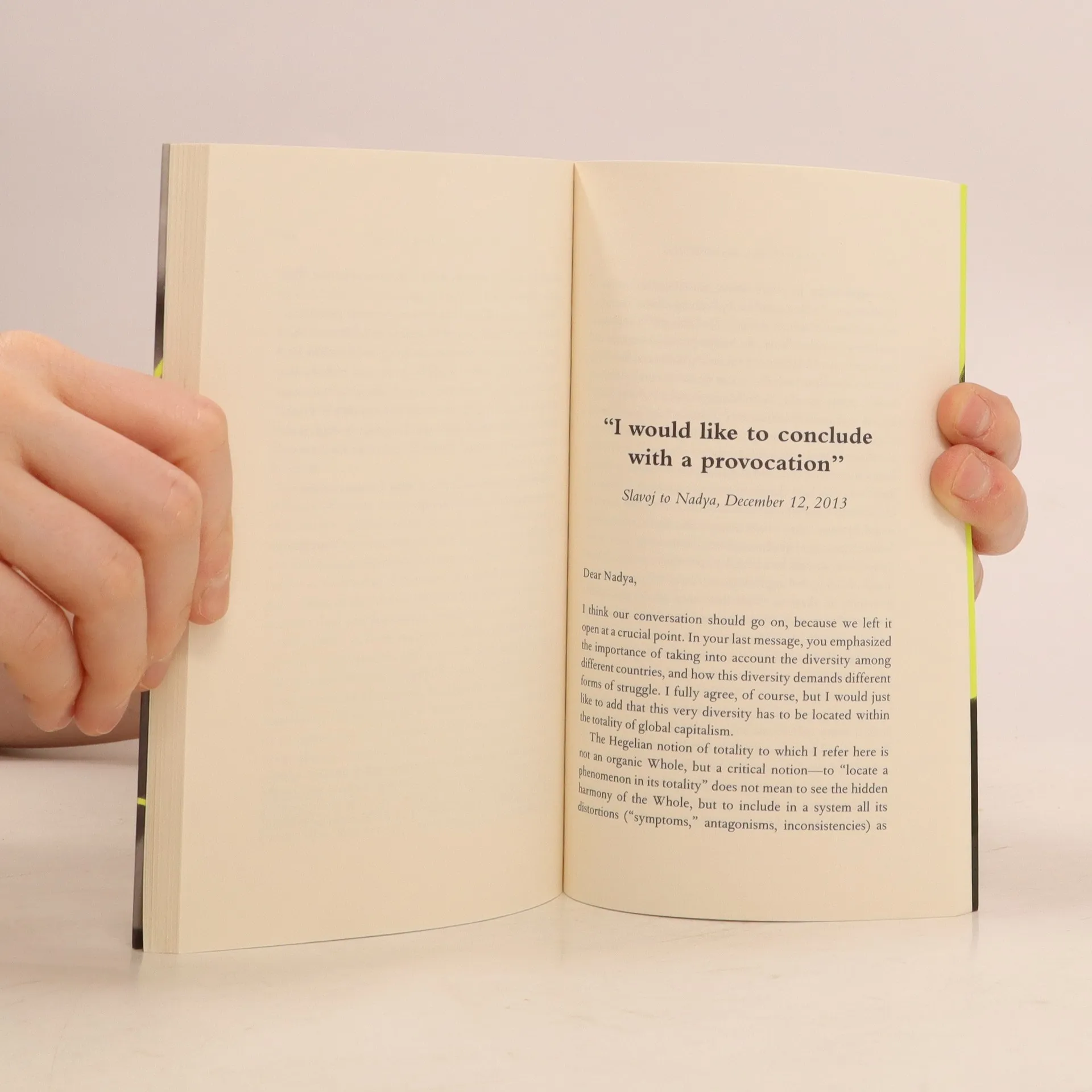
”We are the rebels asking for the storm, and believing that truth is only to be found in an endless search ... Two years of prison for Pussy Riot is our tribute to a destiny that gave us sharp ears, allowing us to sound the note A when everyone else is used to hearing G flat.”In an extraordinary exchange of letters, Nadezhda Tolokonnikova, imprisoned for taking part in Pussy Riot’s anti-Putin performance, and Slovenian philosopher Slavoj Žižek discuss artistic subversion, political activism, and the future of democracy via the ideas of Hegel, Deleuze, Nietzsche, and even Laurie Anderson. Two radicals, one in a Russian forced labor camp, the other writing to her from far outside its walls, show passionately – across linguistic and generational divides – that “there is still a common cause worth fighting for.” Touching, erudite, and worldly, their correspondence unfolds with poetic urgency.In association with Philosophie Magazine .
Book purchase
Comradely Greetings, Slavoj Žižek, Nadezhda Tolokonnikova
- Language

- Released
- 2014
- Binding
- (Paperback)
Payment methods
We’re missing your review here.
- Title
- Comradely Greetings
- Language
- English
- Authors
- Slavoj Žižek, Nadezhda Tolokonnikova
- Publisher
- Verso Books
- Released
- 2014
- Format
- Paperback
- Pages
- 112
- ISBN10
- 1781687730
- ISBN13
- 9781781687734
- Series
- Categories
- Rating
- 3.95 out of 5
- Description
- ”We are the rebels asking for the storm, and believing that truth is only to be found in an endless search ... Two years of prison for Pussy Riot is our tribute to a destiny that gave us sharp ears, allowing us to sound the note A when everyone else is used to hearing G flat.”In an extraordinary exchange of letters, Nadezhda Tolokonnikova, imprisoned for taking part in Pussy Riot’s anti-Putin performance, and Slovenian philosopher Slavoj Žižek discuss artistic subversion, political activism, and the future of democracy via the ideas of Hegel, Deleuze, Nietzsche, and even Laurie Anderson. Two radicals, one in a Russian forced labor camp, the other writing to her from far outside its walls, show passionately – across linguistic and generational divides – that “there is still a common cause worth fighting for.” Touching, erudite, and worldly, their correspondence unfolds with poetic urgency.In association with Philosophie Magazine .