


Parameters
- 240 pages
- 9 hours of reading
More about the book
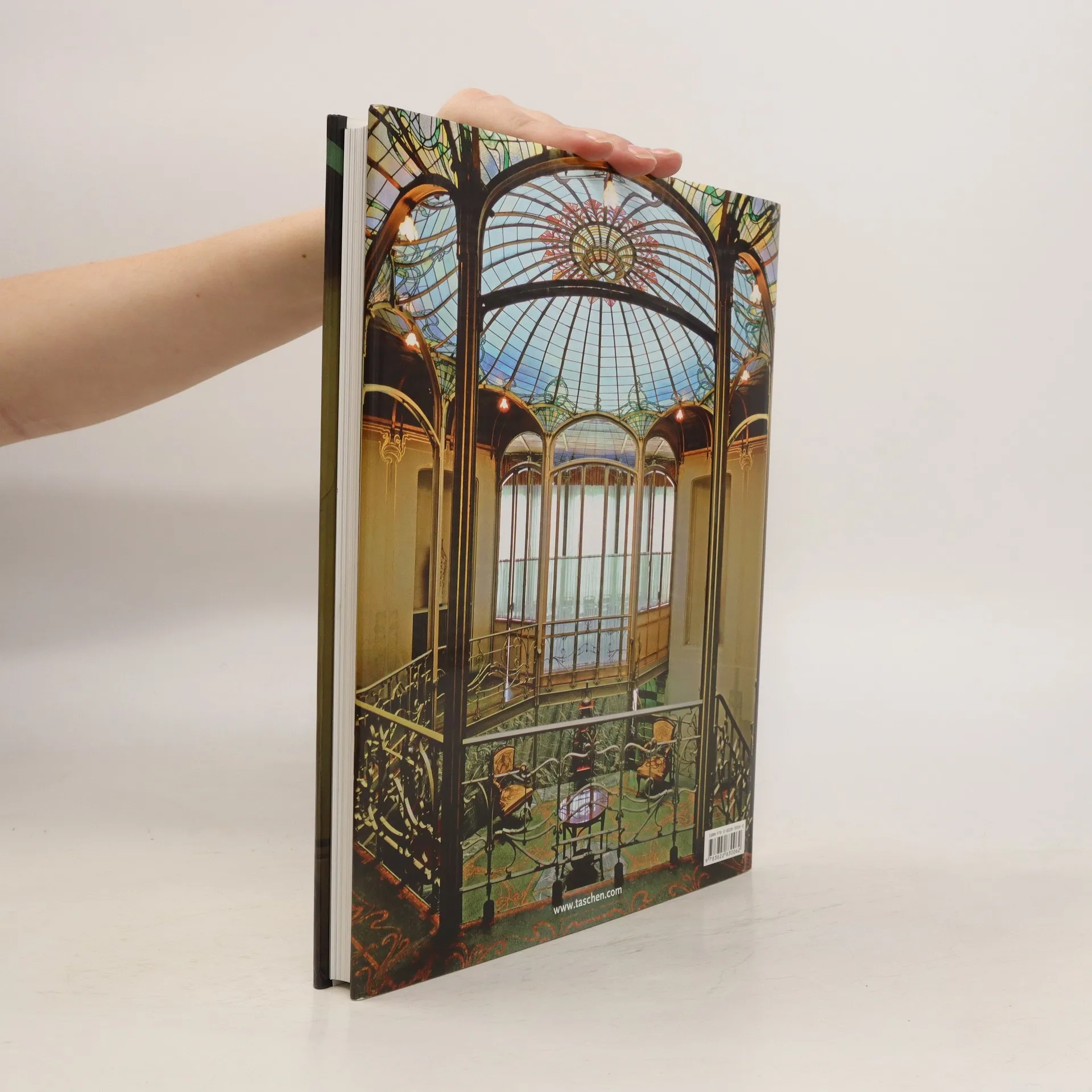
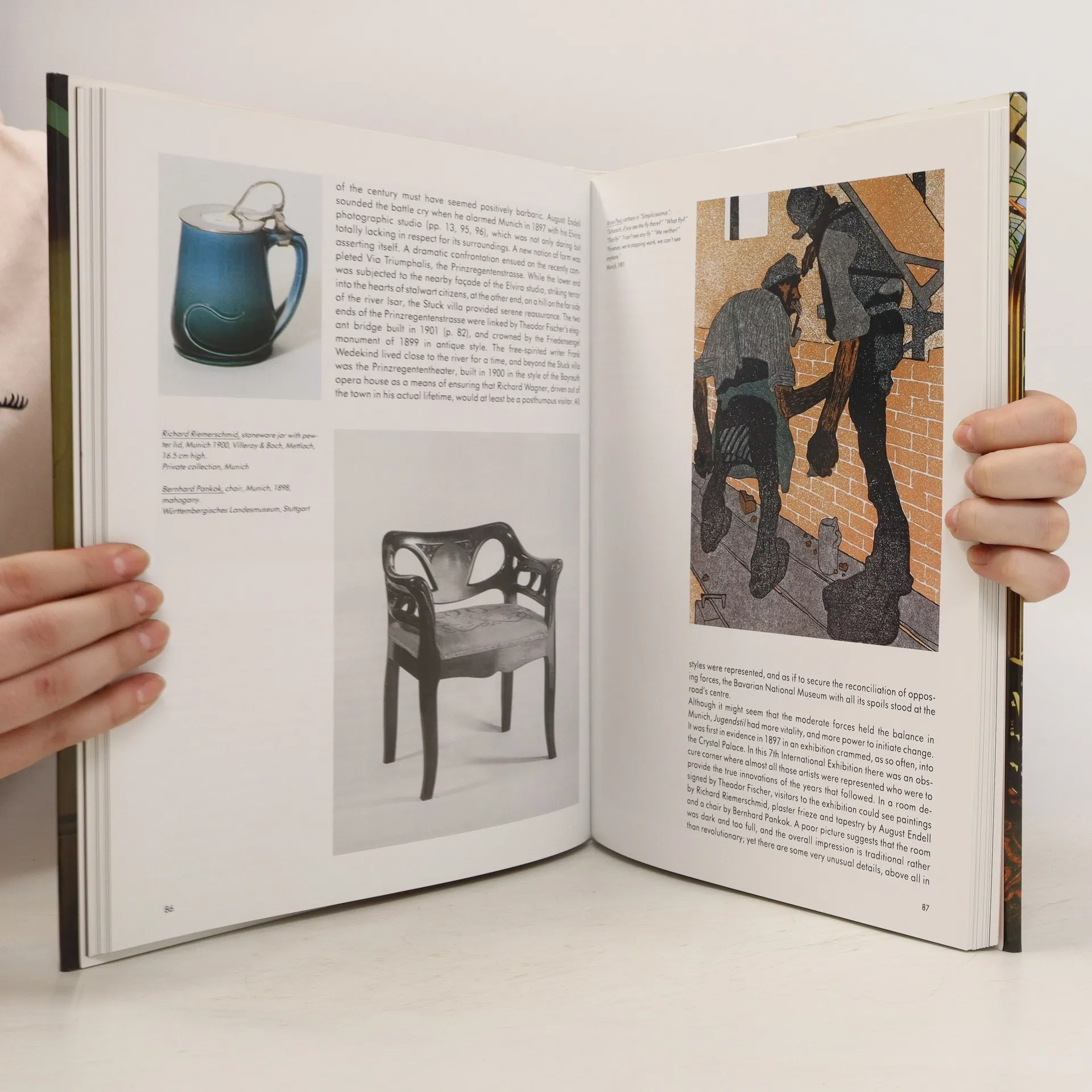
Natural forms in the technical Art Nouveau crafts, architecture, and furniture design Art Nouveau, whose emergence at the same time as cinema was no mere coincidence, represents the most remarkable attempt to reconcile the demands of the technical age with the undying wish for beauty and glorification—or to pit them against the other.Here the reform movement of the turn of the century is not only dealt with as an artistic event, but those economic and political interests which inspired, supported, and handicapped it are also taken into account. In the chapters "Movement," "Unrest", and "Equilibrium," the historical phenomenon as a whole is characterised and is also presented with its own distinct local features. The centres of Brussels, Nancy, Barcelona, Glasgow, Helsinki and Chicago are dealt with in subchapters as are Munich, Darmstadt and Weimar . Finally, Vienna , that city in which the synthesis achieved its culmination, is described separately. The outstanding artists are examined in detail in connection with the respective cities of their greatest activity. The result is a complex picture of the symbiosis of architecture, furniture design, and craftsmanship with their corresponding approaches to artistic revitalization.

Publication

Book purchase
Art Nouveau, Klaus-Jürgen Sembach
- Language

- Released
- 2010
- Binding
- (Hardcover)
Payment methods
We’re missing your review here.
- Title
- Art Nouveau
- Subtitle
- Utopia: reconciling the irreconcilable
- Language
- English
- Authors
- Klaus-Jürgen Sembach
- Publisher
- Taschen
- Released
- 2010
- Format
- Hardcover
- Pages
- 240
- ISBN10
- 3822830062
- ISBN13
- 9783822830062
- Series
- Rating
- 4.1 out of 5
- Description
- Natural forms in the technical Art Nouveau crafts, architecture, and furniture design Art Nouveau, whose emergence at the same time as cinema was no mere coincidence, represents the most remarkable attempt to reconcile the demands of the technical age with the undying wish for beauty and glorification—or to pit them against the other.Here the reform movement of the turn of the century is not only dealt with as an artistic event, but those economic and political interests which inspired, supported, and handicapped it are also taken into account. In the chapters "Movement," "Unrest", and "Equilibrium," the historical phenomenon as a whole is characterised and is also presented with its own distinct local features. The centres of Brussels, Nancy, Barcelona, Glasgow, Helsinki and Chicago are dealt with in subchapters as are Munich, Darmstadt and Weimar . Finally, Vienna , that city in which the synthesis achieved its culmination, is described separately. The outstanding artists are examined in detail in connection with the respective cities of their greatest activity. The result is a complex picture of the symbiosis of architecture, furniture design, and craftsmanship with their corresponding approaches to artistic revitalization.