



More about the book
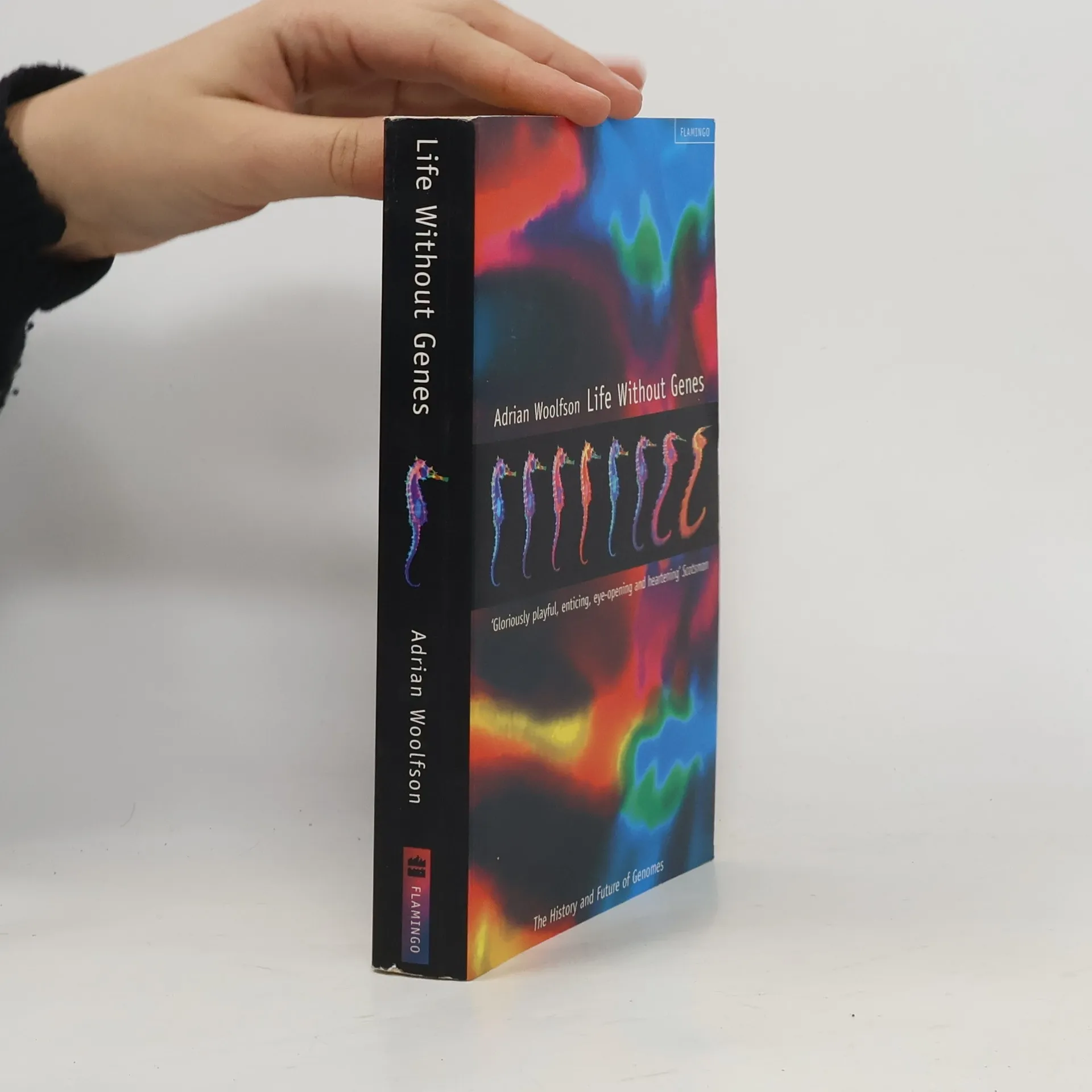
Bringing together the latest insights from genetics and cyberculture, this book contends that all life can be conceived of as information. It explores future developments in genetics, both as a consequence of Darwinian natural selection and under the influence of genetic engineering. The ideas are illustrated by writing that draws on a range of surreal examples including hypermarkets containing every toy in the universe, pufferfish that think like flies, Peter Pan-like trips through human genes and creatures that evolve in months and not millennia. It argues that the future will be dominated by biological machines evolved artificially by a process of accelerated evolution which is called "evolution compression".
Publication

Book purchase
Life Without Genes, Adrian Woolfson
- Language

- Released
- 2000
- Binding
- (Paperback)
Payment methods
We’re missing your review here.
- Title
- Life Without Genes
- Subtitle
- The History and Future of Genomes
- Language
- English
- Authors
- Adrian Woolfson
- Publisher
- Flamingo
- Released
- 2000
- Format
- Paperback
- Pages
- 432
- ISBN10
- 0006548741
- ISBN13
- 9780006548744
- Series
- Categories
- Rating
- 3.8 out of 5
- Description
- Bringing together the latest insights from genetics and cyberculture, this book contends that all life can be conceived of as information. It explores future developments in genetics, both as a consequence of Darwinian natural selection and under the influence of genetic engineering. The ideas are illustrated by writing that draws on a range of surreal examples including hypermarkets containing every toy in the universe, pufferfish that think like flies, Peter Pan-like trips through human genes and creatures that evolve in months and not millennia. It argues that the future will be dominated by biological machines evolved artificially by a process of accelerated evolution which is called "evolution compression".