

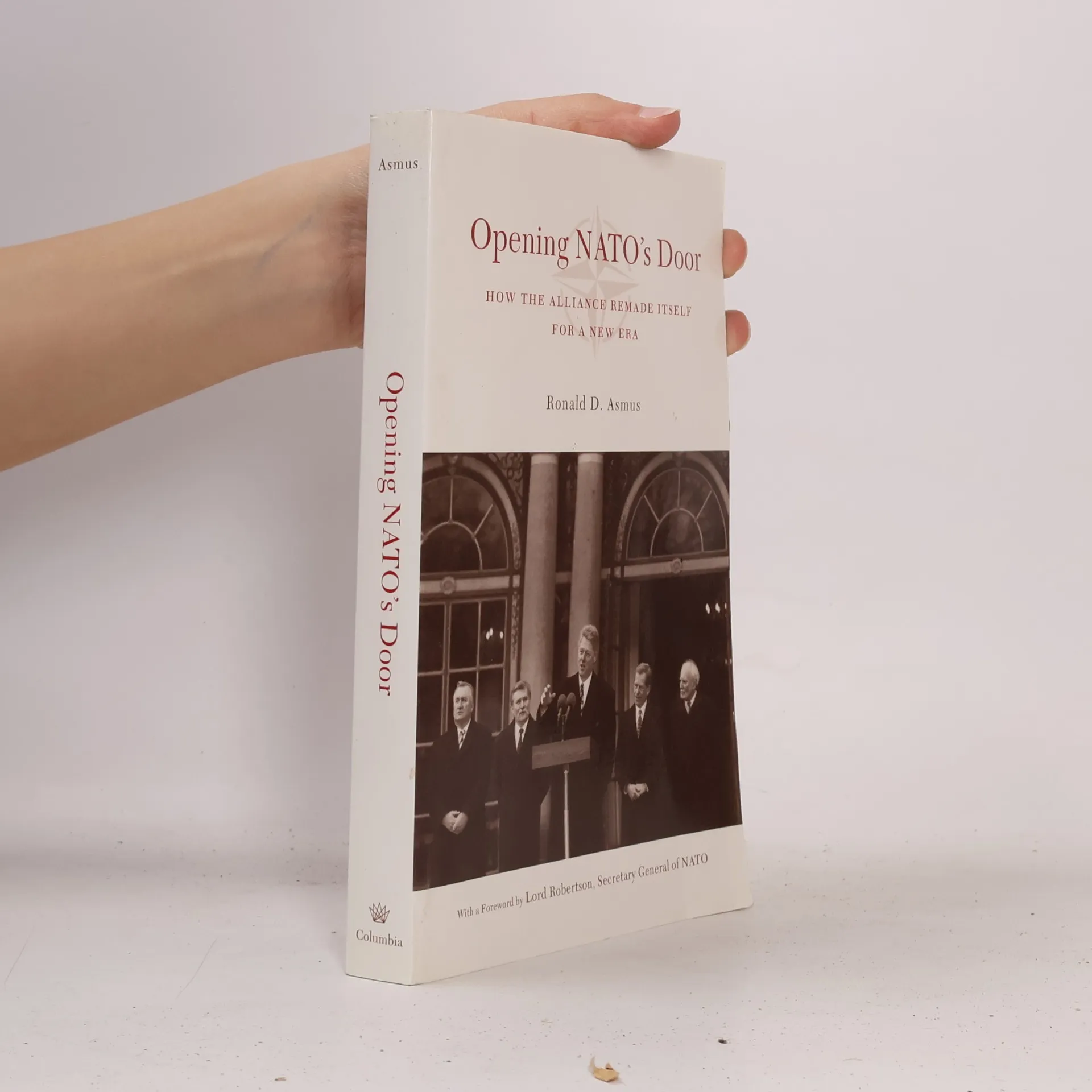
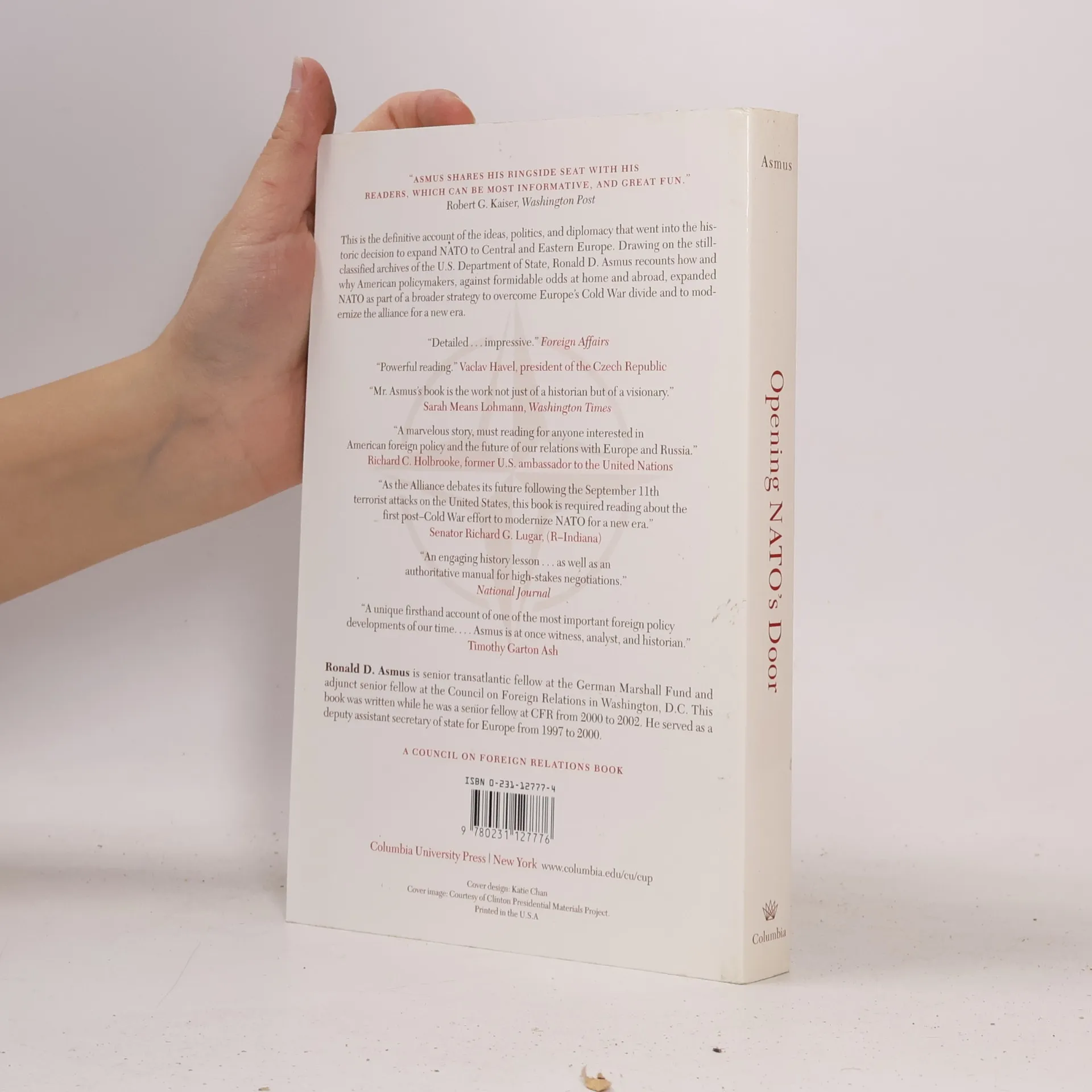
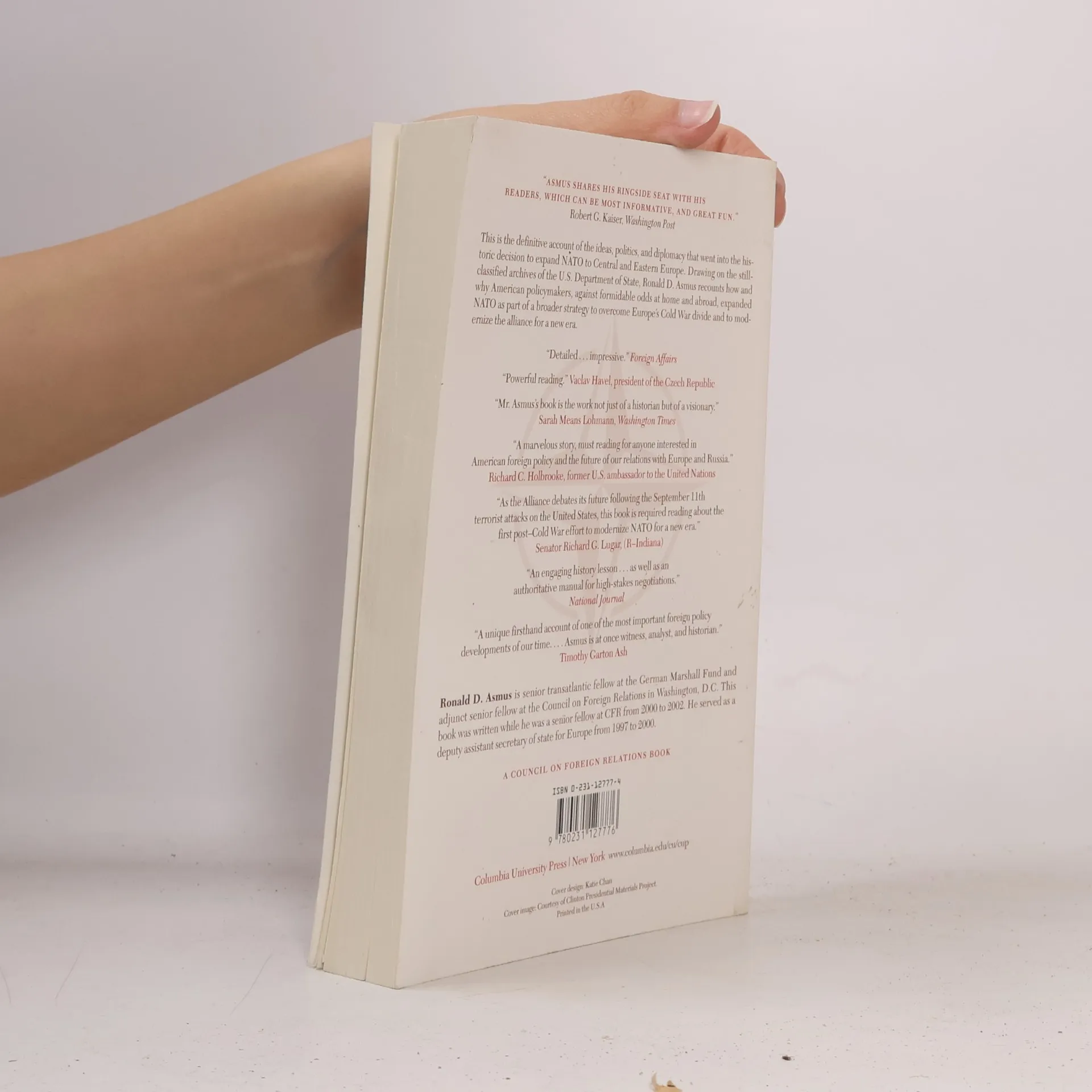


Council on Foreign Relations: Opening NATO's Door
How the Alliance Remade Itself for a New Era
Book rating
Parameters
- 415 pages
- 15 hours of reading
More about the book
How and why did NATO, originally established in 1949 to counter the USSR, become the foundation of a new security order in post-Cold War Europe? Instead of retreating after communism's collapse, the U.S. significantly increased its commitment to Europe. This account, written by an insider, details the ideas, politics, and diplomacy behind NATO's expansion into Central and Eastern Europe. Utilizing classified U.S. Department of State archives, the author, a key advocate for NATO enlargement, explains how American policymakers overcame substantial challenges to modernize the Alliance and bridge Europe's Cold War divide. Having served as a top aide to Secretary of State Madeleine Albright and Deputy Secretary Strobe Talbott, the author played a crucial role in negotiations that led to NATO inviting Poland, Hungary, and the Czech Republic, as well as the signing of the NATO-Russia Founding Act and the U.S. Senate's ratification of enlargement. The Clinton Administration viewed NATO enlargement as essential for strengthening U.S.-European ties in the post-Cold War era, promoting democracy and Western values, and adapting alliances for a globalized world. As NATO contemplates its future in light of challenges like the September 11 attacks, this work is vital for understanding the first effort to modernize the Alliance for a new age.
Language

Publication

Book purchase
Council on Foreign Relations: Opening NATO's Door, Ronald D. Asmus, Lord Robertson
- Language

- Released
- 2002
- Binding
- (Paperback),
- Book condition
- Damaged
- Price
- €5.88
Payment methods
We’re missing your review here.
- Title
- Council on Foreign Relations: Opening NATO's Door
- Subtitle
- How the Alliance Remade Itself for a New Era
- Language
- English
- Authors
- Ronald D. Asmus, Lord Robertson
- Publisher
- Columbia University Press
- Released
- 2002
- Format
- Paperback
- Pages
- 415
- ISBN10
- 0231127774
- ISBN13
- 9780231127776
- Series
- Categories
- First published
- 2002
- Original title
- Opening NATO's Door: How the Alliance Remade Itself for a New Era
- Rating
- 4.5 out of 5
- Description
- How and why did NATO, originally established in 1949 to counter the USSR, become the foundation of a new security order in post-Cold War Europe? Instead of retreating after communism's collapse, the U.S. significantly increased its commitment to Europe. This account, written by an insider, details the ideas, politics, and diplomacy behind NATO's expansion into Central and Eastern Europe. Utilizing classified U.S. Department of State archives, the author, a key advocate for NATO enlargement, explains how American policymakers overcame substantial challenges to modernize the Alliance and bridge Europe's Cold War divide. Having served as a top aide to Secretary of State Madeleine Albright and Deputy Secretary Strobe Talbott, the author played a crucial role in negotiations that led to NATO inviting Poland, Hungary, and the Czech Republic, as well as the signing of the NATO-Russia Founding Act and the U.S. Senate's ratification of enlargement. The Clinton Administration viewed NATO enlargement as essential for strengthening U.S.-European ties in the post-Cold War era, promoting democracy and Western values, and adapting alliances for a globalized world. As NATO contemplates its future in light of challenges like the September 11 attacks, this work is vital for understanding the first effort to modernize the Alliance for a new age.