

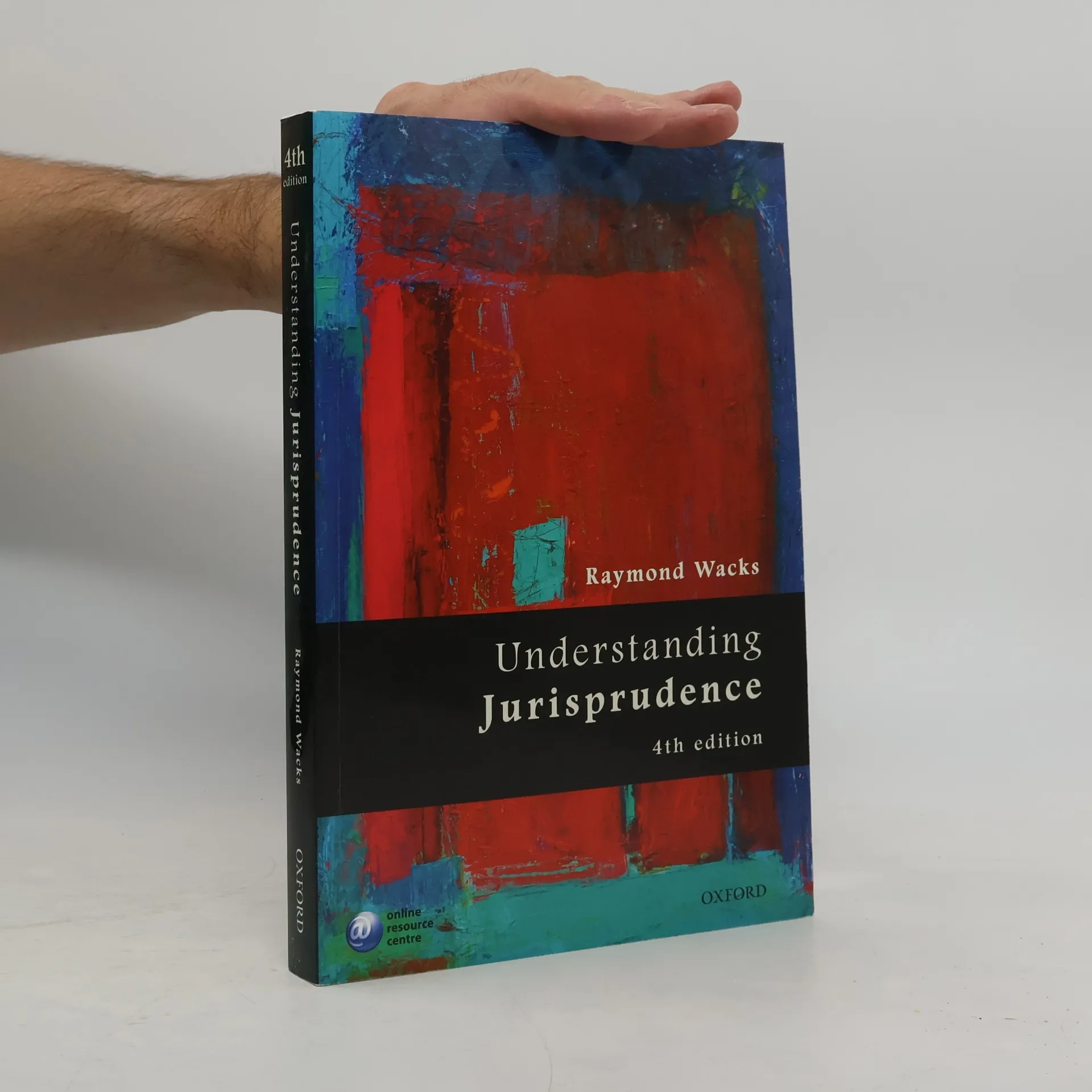
More about the book
With its clear and engaging writing style, this guide is ideal for students new to legal theory seeking an accessible introduction. It presents key theories and theorists in a compact format, offering an engaging account of central ideas without oversimplifying. Key quotes from leading scholars are included, highlighting their contributions to legal philosophy, while further reading suggestions help navigate the extensive literature in the field. Each chapter ends with critical questions to encourage analytical thinking about the law and its surrounding debates. The author, an experienced teacher of jurisprudence, provides a concise, student-friendly introduction that addresses the nuances of this fascinating discipline. An extensive Online Resource Centre accompanies the text, featuring resources to support your studies, including an author analysis of topical controversies and current legal issues, an interactive self-test glossary of key terms, additional chapters on studying jurisprudence with revision and exam tips, further reading suggestions with links to relevant journal articles, and self-test questions on key ideas from each chapter with instant feedback.


Book purchase
Understanding Jurisprudence - 4th Edition, Raymond Wacks
- Language

- Released
- 2015
- Binding
- (Paperback)
Payment methods
We’re missing your review here.
- Title
- Understanding Jurisprudence - 4th Edition
- Language
- English
- Authors
- Raymond Wacks
- Publisher
- Oxford University Press
- Released
- 2015
- Format
- Paperback
- Pages
- 400
- ISBN10
- 0198723865
- ISBN13
- 9780198723868
- Series
- Tags
- Business, Legal Topics
- Rating
- 4 out of 5
- Description
- With its clear and engaging writing style, this guide is ideal for students new to legal theory seeking an accessible introduction. It presents key theories and theorists in a compact format, offering an engaging account of central ideas without oversimplifying. Key quotes from leading scholars are included, highlighting their contributions to legal philosophy, while further reading suggestions help navigate the extensive literature in the field. Each chapter ends with critical questions to encourage analytical thinking about the law and its surrounding debates. The author, an experienced teacher of jurisprudence, provides a concise, student-friendly introduction that addresses the nuances of this fascinating discipline. An extensive Online Resource Centre accompanies the text, featuring resources to support your studies, including an author analysis of topical controversies and current legal issues, an interactive self-test glossary of key terms, additional chapters on studying jurisprudence with revision and exam tips, further reading suggestions with links to relevant journal articles, and self-test questions on key ideas from each chapter with instant feedback.