

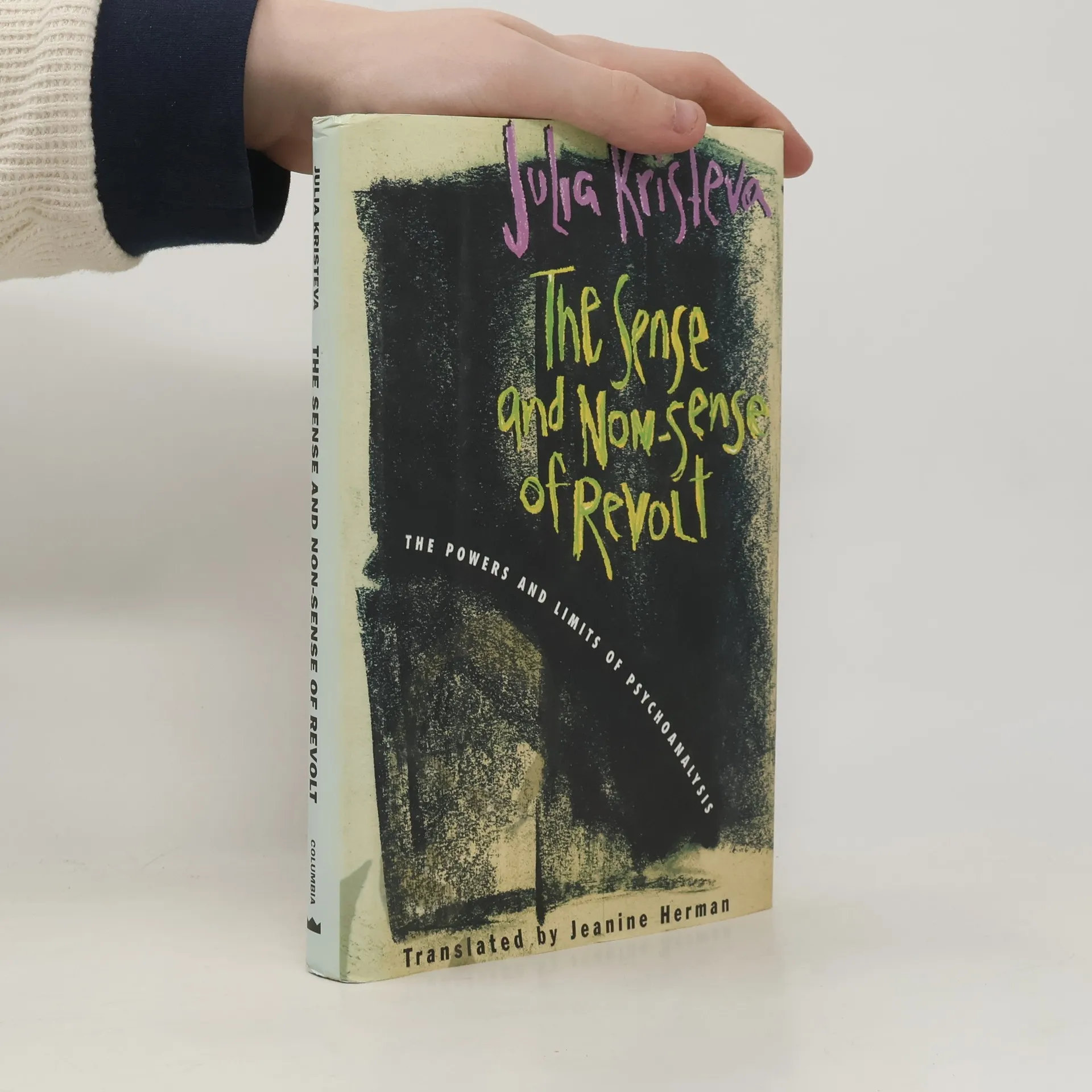
The Sense and Non-Sense of Revolt
The Powers and Limits of Psychoanalysis
Authors
More about the book
Linguist, psychoanalyst, and cultural theorist Julia Kristeva is a prominent thinker whose work merges psychoanalytic theory with literature, linguistics, and philosophy. In her latest exploration of psychoanalysis, she addresses a pressing dilemma: while Freud posited that rebellion ensures independence and creativity, is rebellion still a viable option in today’s entertainment-driven culture? Can counterculture be constructed, and if so, for whom and against what? Kristeva examines the complexities of rebel culture through the experiences of three influential twentieth-century writers: existentialist Jean-Paul Sartre, surrealist Louis Aragon, and theorist Roland Barthes. She highlights the political and often dogmatic commitments of Sartre and Aragon, which evoke both fascination and rejection in a post-Cold War context. Their rebellions challenge conventional notions of identity and relationships with others, positioning their achievements within broader revolutionary movements in art, literature, and politics. Additionally, the book delves into Freud's insights on rebellion, particularly the symbolic role of patricide in his work *Totem and Taboo*, while also addressing his overlooked perspectives on language and its intricate ties to revolutionary impulses. Through this analysis, Kristeva invites readers to reconsider the nature and implications of rebellion in contemporary society.
Publication

Book purchase
The Sense and Non-Sense of Revolt, Julia Kristeva, Jeanine Herman
- Language

- Released
- 2000
- Binding
- (Hardcover)
Payment methods
No one has rated yet.
- Title
- The Sense and Non-Sense of Revolt
- Subtitle
- The Powers and Limits of Psychoanalysis
- Language
- English
- Authors
- Julia Kristeva, Jeanine Herman
- Publisher
- Columbia University Press
- Released
- 2000
- Format
- Hardcover
- Pages
- 288
- ISBN10
- 0231109962
- ISBN13
- 9780231109963
- Series
- Categories
- Description
- Linguist, psychoanalyst, and cultural theorist Julia Kristeva is a prominent thinker whose work merges psychoanalytic theory with literature, linguistics, and philosophy. In her latest exploration of psychoanalysis, she addresses a pressing dilemma: while Freud posited that rebellion ensures independence and creativity, is rebellion still a viable option in today’s entertainment-driven culture? Can counterculture be constructed, and if so, for whom and against what? Kristeva examines the complexities of rebel culture through the experiences of three influential twentieth-century writers: existentialist Jean-Paul Sartre, surrealist Louis Aragon, and theorist Roland Barthes. She highlights the political and often dogmatic commitments of Sartre and Aragon, which evoke both fascination and rejection in a post-Cold War context. Their rebellions challenge conventional notions of identity and relationships with others, positioning their achievements within broader revolutionary movements in art, literature, and politics. Additionally, the book delves into Freud's insights on rebellion, particularly the symbolic role of patricide in his work *Totem and Taboo*, while also addressing his overlooked perspectives on language and its intricate ties to revolutionary impulses. Through this analysis, Kristeva invites readers to reconsider the nature and implications of rebellion in contemporary society.