

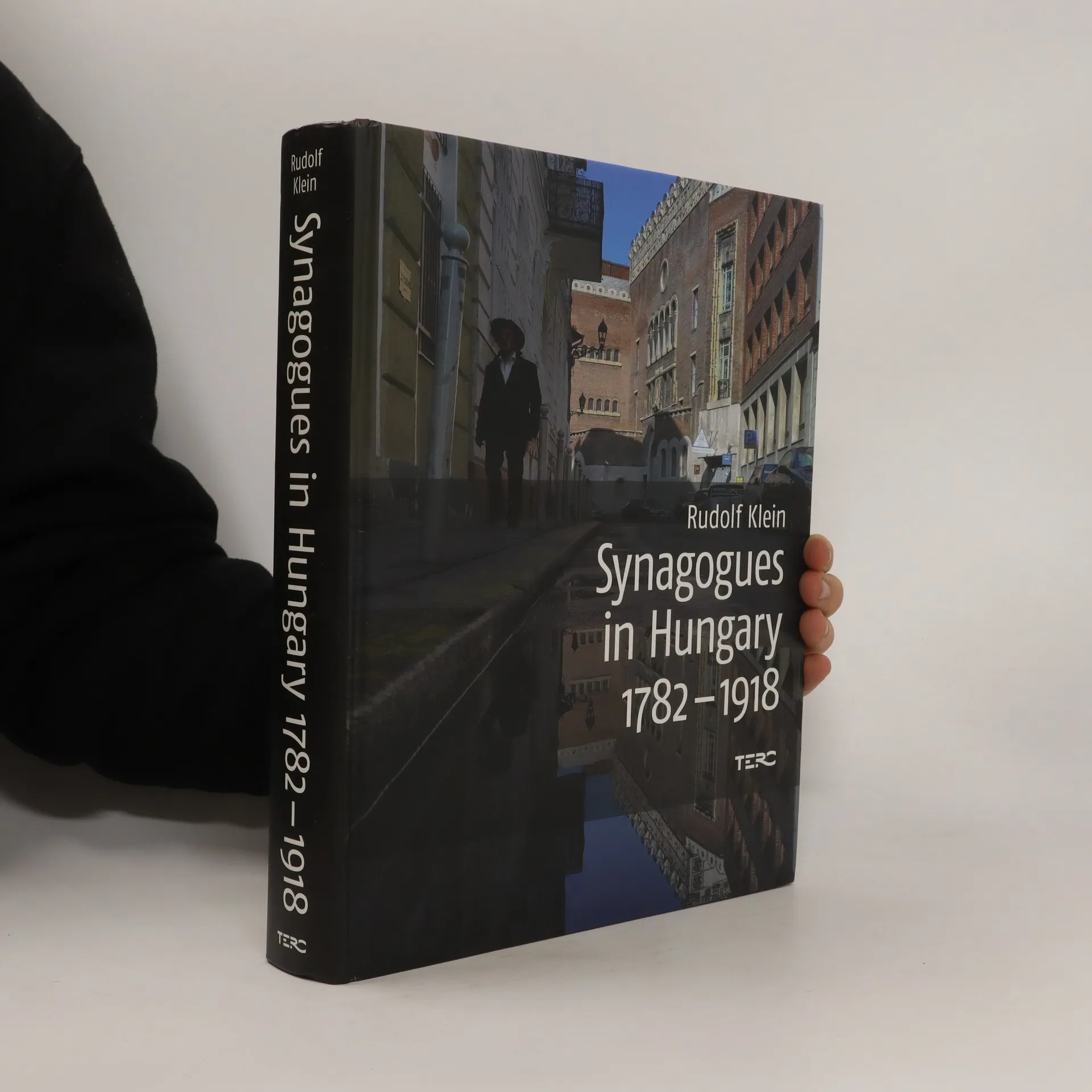
Synagogues in Hungary, 1782-1918 - Genealogy, Typology and Architectural Significance
Authors
Parameters
- 800 pages
- 28 hours of reading
More about the book
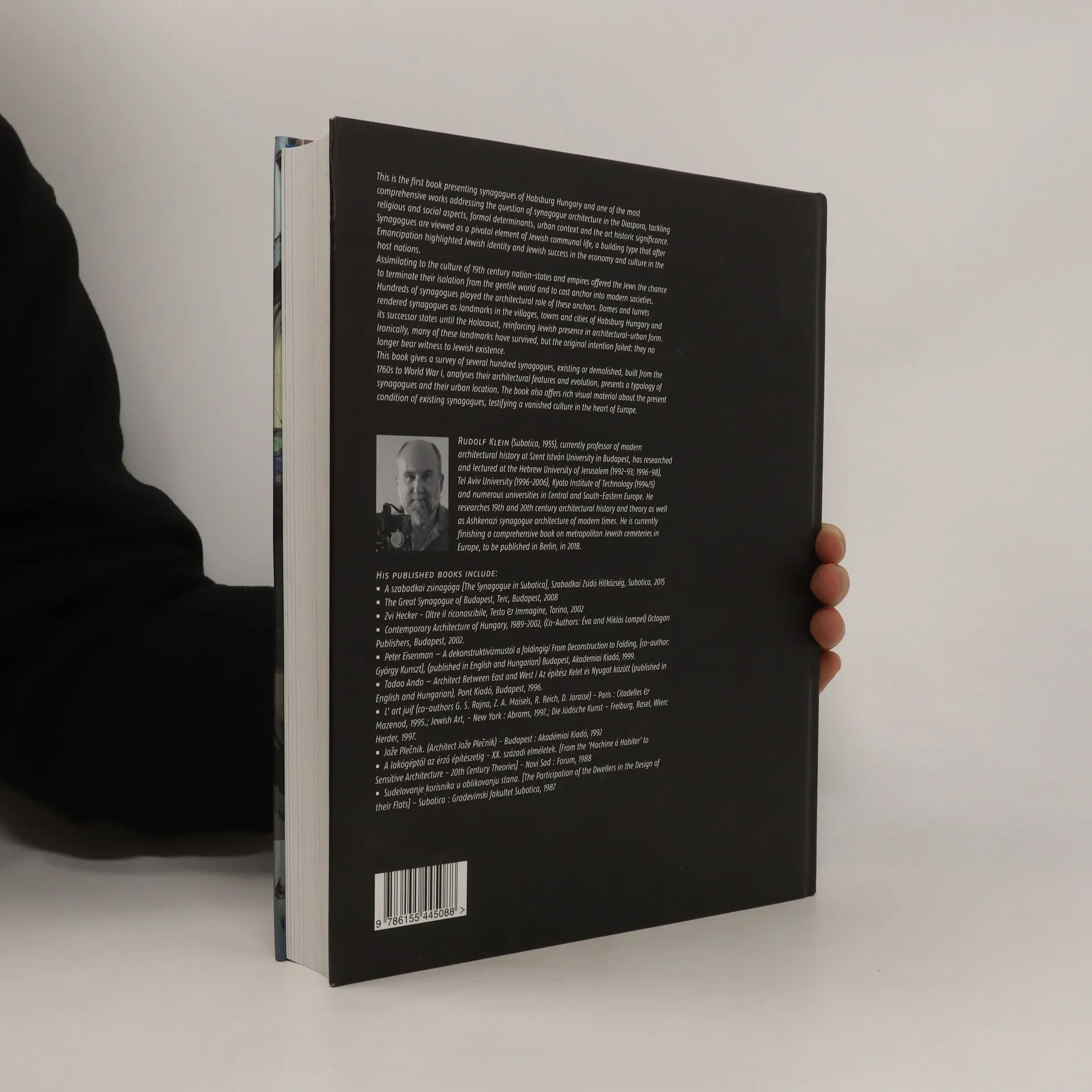
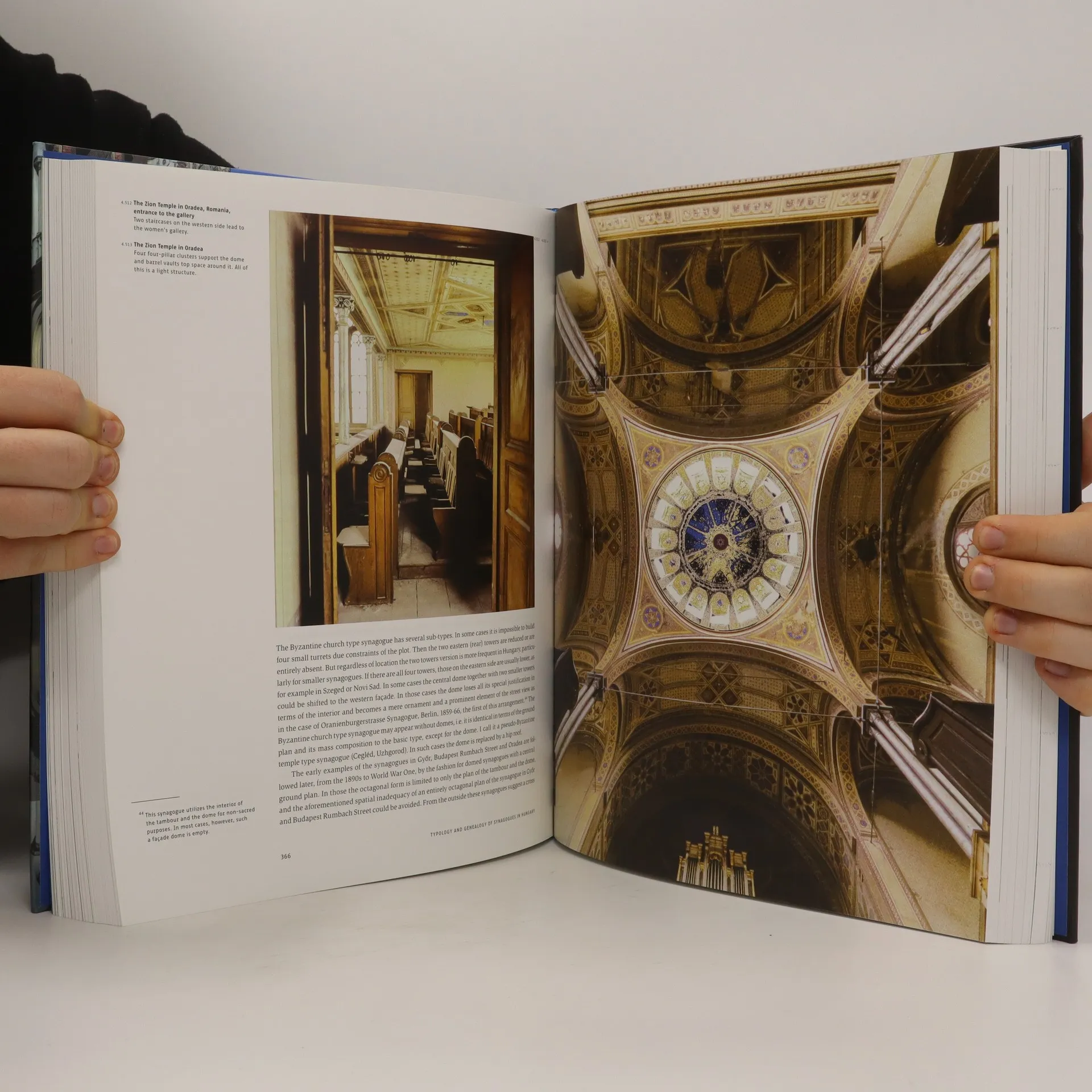
"Synagogues in Hungary 1782-1918" is the first comprehensive study that systematically covers all synagogues in Hungary from the Edict of Tolerance by Joseph II to the end of the First World War. Unlike prior attempts, dealing with Post-World-War-Two Hungary only, the geographical range of this study includes historic Hungary, today Austro-Hungarian successor states, within the mentioned chronological timespan. The study presents Hungarian architecture of synagogues in a chronological order; the author gives special attention to the boom of synagogue architecture and art from 1867 to 1918, a time also called "the modern Jewish Renaissance". However, the greatest contribution of this book is the innovative matrix method, which the author applies to determine the basic types of synagogues by using eight basic criteria. The book also deals with the problem of urban context, the position of the synagogue in the city and its immediate environment. There are two detailed case studies how communities built their synagogues and how were these received by the general public. The book ends with a theoretical summary that tries to determine the role of post-emancipation period synagogues in general architectural history.
Book purchase
Synagogues in Hungary, 1782-1918 - Genealogy, Typology and Architectural Significance, Rudolf Klein
- Language

- Released
- 2017
- Binding
- (Hardcover)
Payment methods
No one has rated yet.
- Title
- Synagogues in Hungary, 1782-1918 - Genealogy, Typology and Architectural Significance
- Language
- English
- Authors
- Rudolf Klein
- Publisher
- Terc
- Released
- 2017
- Format
- Hardcover
- Pages
- 800
- ISBN10
- 6155445087
- ISBN13
- 9786155445088
- Series
- Description
- "Synagogues in Hungary 1782-1918" is the first comprehensive study that systematically covers all synagogues in Hungary from the Edict of Tolerance by Joseph II to the end of the First World War. Unlike prior attempts, dealing with Post-World-War-Two Hungary only, the geographical range of this study includes historic Hungary, today Austro-Hungarian successor states, within the mentioned chronological timespan. The study presents Hungarian architecture of synagogues in a chronological order; the author gives special attention to the boom of synagogue architecture and art from 1867 to 1918, a time also called "the modern Jewish Renaissance". However, the greatest contribution of this book is the innovative matrix method, which the author applies to determine the basic types of synagogues by using eight basic criteria. The book also deals with the problem of urban context, the position of the synagogue in the city and its immediate environment. There are two detailed case studies how communities built their synagogues and how were these received by the general public. The book ends with a theoretical summary that tries to determine the role of post-emancipation period synagogues in general architectural history.