




More about the book
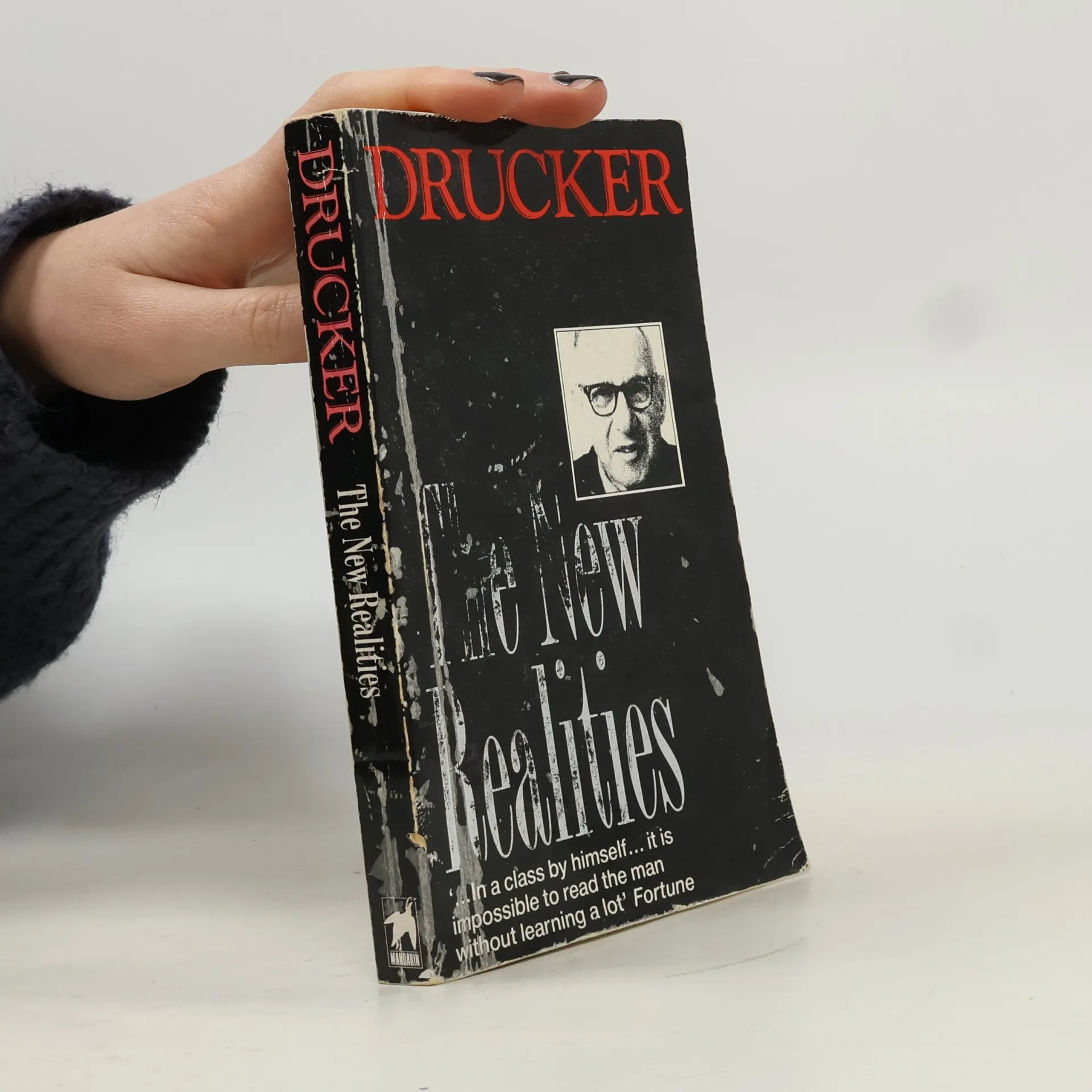
Even in the flattest landscapes, some passes represent true divides, where crossing leads to a distinct change in the social and political landscape. History has its own divides; once crossed, the climate, language, and culture shift dramatically. Between 1965 and 1973, society transitioned into "the next century." Peter Drucker's work challenges and provokes thought about these changes, anticipating key issues in a rapidly evolving world. Initially published in 1989, some reviewers misinterpreted it as a book of predictions about the future. However, Drucker emphasizes that the realities of the next thirty to forty years were largely shaped by events from the preceding fifty years. He explores historical episodes that had yet to unfold at the time of publication, including the decline of the hope for societal salvation, the democratization of the Soviet Union, the technology boom of the 1990s, and the evolution of management as a social function. With a new preface reflecting on the initial reception and the importance of learning from the past, this work is essential for understanding the interplay of politics, government, economy, information technology, and business in an ever-changing world.
Publication

Book purchase
The New Realities, Peter Drucker
- Language

- Released
- 1990
- Binding
- (Paperback),
- Book condition
- Damaged
- Price
- €8.59
Payment methods
We’re missing your review here.
- Title
- The New Realities
- Language
- English
- Authors
- Peter Drucker
- Publisher
- Mandarin
- Released
- 1990
- Format
- Paperback
- Pages
- 300
- ISBN10
- 0749303557
- ISBN13
- 9780749303556
- Series
- Categories
- Tags
- Business, Leadership
- Rating
- 4 out of 5
- Description
- Even in the flattest landscapes, some passes represent true divides, where crossing leads to a distinct change in the social and political landscape. History has its own divides; once crossed, the climate, language, and culture shift dramatically. Between 1965 and 1973, society transitioned into "the next century." Peter Drucker's work challenges and provokes thought about these changes, anticipating key issues in a rapidly evolving world. Initially published in 1989, some reviewers misinterpreted it as a book of predictions about the future. However, Drucker emphasizes that the realities of the next thirty to forty years were largely shaped by events from the preceding fifty years. He explores historical episodes that had yet to unfold at the time of publication, including the decline of the hope for societal salvation, the democratization of the Soviet Union, the technology boom of the 1990s, and the evolution of management as a social function. With a new preface reflecting on the initial reception and the importance of learning from the past, this work is essential for understanding the interplay of politics, government, economy, information technology, and business in an ever-changing world.