

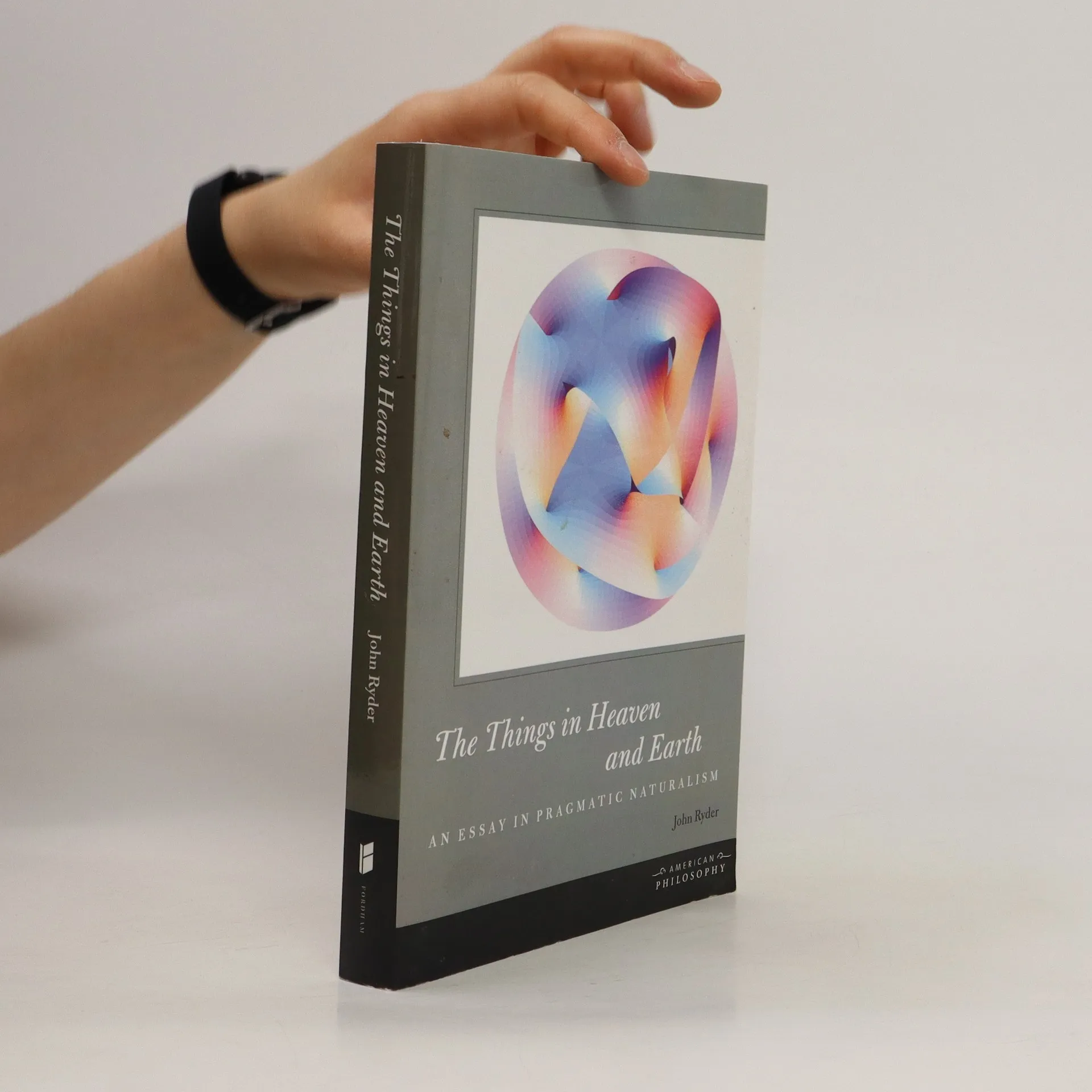


The things in heaven and earth an essay in pragmatic naturalism
Authors
Parameters
More about the book
The Things in Heaven and Earth develops and applies the American philosophical naturalist tradition of the mid–20th century, specifically the work of three of the most prominent figures of what is called Columbia John Dewey, John Herman Randall Jr., and Justus Buchler. The book argues for the philosophical value and usefulness of this underappreciated tradition for a number of contemporary theoretical and practical issues, such as the modernist/postmodernist divide and debates over philosophical constructivism.Pragmatic naturalism offers a distinctive ontology of constitutive relations. Relying on Buchler’s ordinal ontology and on the relationality implicit in Dewey’s instrumentalism, the book gives a detailed account of this approach in chapters that deal with issues in systematic ontology, epistemology, constructivism and objectivity, philosophical theology, art, democratic theory, foreign policy, education, humanism, and cosmopolitanism.
Book purchase
The things in heaven and earth an essay in pragmatic naturalism, John Ryder
- Language

- Released
- 2013
- Binding
- (Paperback)
Payment methods
No one has rated yet.
- Title
- The things in heaven and earth an essay in pragmatic naturalism
- Language
- English
- Authors
- John Ryder
- Publisher
- Fordham University Press
- Released
- 2013
- Format
- Paperback
- Series
- Collection
- American philosophy
- Categories
- Tags
- Description
- The Things in Heaven and Earth develops and applies the American philosophical naturalist tradition of the mid–20th century, specifically the work of three of the most prominent figures of what is called Columbia John Dewey, John Herman Randall Jr., and Justus Buchler. The book argues for the philosophical value and usefulness of this underappreciated tradition for a number of contemporary theoretical and practical issues, such as the modernist/postmodernist divide and debates over philosophical constructivism.Pragmatic naturalism offers a distinctive ontology of constitutive relations. Relying on Buchler’s ordinal ontology and on the relationality implicit in Dewey’s instrumentalism, the book gives a detailed account of this approach in chapters that deal with issues in systematic ontology, epistemology, constructivism and objectivity, philosophical theology, art, democratic theory, foreign policy, education, humanism, and cosmopolitanism.