

A chilling ultimatum sets the stage for a tense narrative where a desperate situation escalates into a fight for survival. The protagonist faces a harrowing choice as threats loom over their loved one, forcing them to navigate a perilous landscape of fear and desperation. This gripping story explores themes of sacrifice, moral dilemmas, and the lengths one will go to protect their family against ruthless adversaries.
John Ryder Books


The story revolves around a desperate race against time as a parent receives a chilling ultimatum: locate their missing daughter within twenty-four hours or face the tragic consequences of her death. This high-stakes thriller delves into themes of parental love, urgency, and the lengths one will go to protect their child. As the clock ticks down, the protagonist must navigate a web of danger and deception to uncover the truth and save their daughter from an unknown threat.
Philosophy of Education
Thinking and Learning Through History and Practice
- 286 pages
- 11 hours of reading
The book introduces readers to the intellectual framework of contemporary education systems and pedagogy, making it accessible for both students and practicing teachers. It outlines fundamental principles while considering external influences, offering a systematic and socially aware perspective on teaching practices. The text is designed to build understanding without requiring prior philosophical knowledge, fostering a comprehensive grasp of educational concepts and methods.
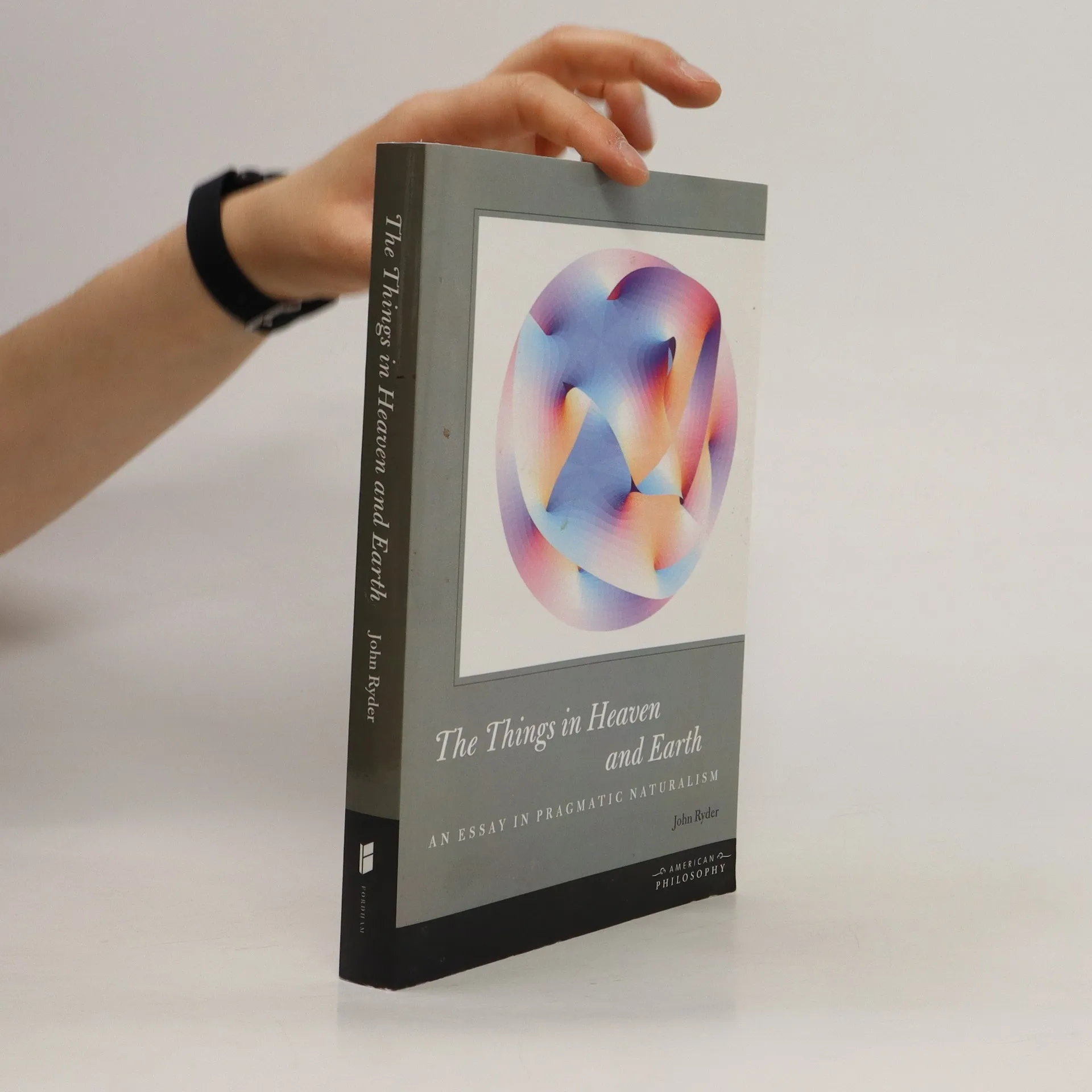
The Things in Heaven and Earth develops and applies the American philosophical naturalist tradition of the mid–20th century, specifically the work of three of the most prominent figures of what is called Columbia John Dewey, John Herman Randall Jr., and Justus Buchler. The book argues for the philosophical value and usefulness of this underappreciated tradition for a number of contemporary theoretical and practical issues, such as the modernist/postmodernist divide and debates over philosophical constructivism.Pragmatic naturalism offers a distinctive ontology of constitutive relations. Relying on Buchler’s ordinal ontology and on the relationality implicit in Dewey’s instrumentalism, the book gives a detailed account of this approach in chapters that deal with issues in systematic ontology, epistemology, constructivism and objectivity, philosophical theology, art, democratic theory, foreign policy, education, humanism, and cosmopolitanism.