

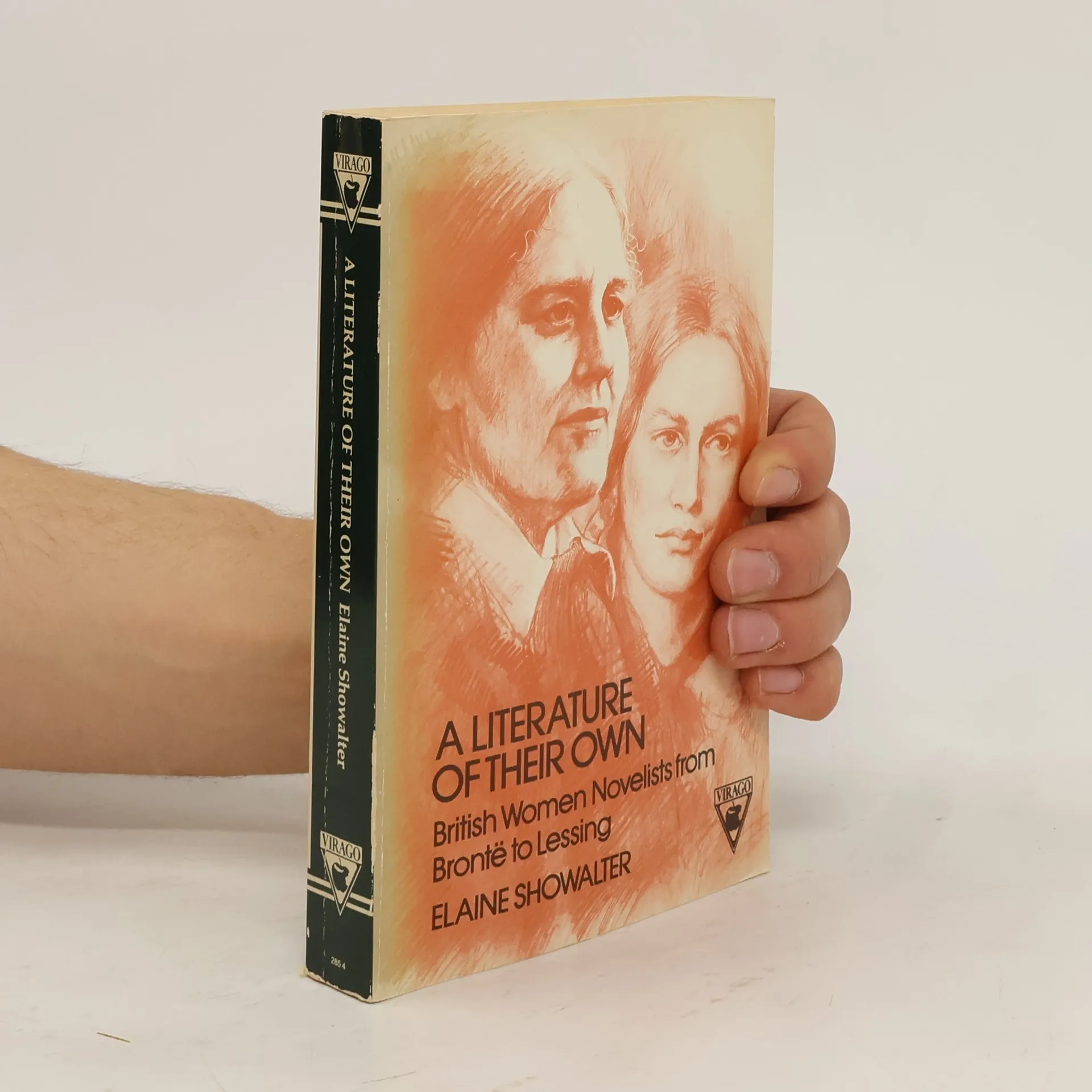
A Literature of Their Own
British Women Novelists from Brontë to Lessing
Authors
Book rating
More about the book
Readers of this new, enlarged edition of the classic feminist study of British women novelists will find themselves delighted by Elaine Showalter's astute and acerbic critical intelligence. Showalter is one of the few scholars who can make her readers rush to their bookshelves to refute her point, or simply to experience again Jane Eyre , The Mill on the Floss , or the bitterly illuminating stories of Katherine Mansfield. Her chief innovation is to place the works of famous women writers beside those of the minor or forgotten, building a continuity of influence and inspiration as well as a more complete picture of the social conditions in which women's books have been produced. She has added a new introduction recounting, with justifiable pleasure, how daring and controversial her study seemed when it first appeared in 1977 (and how many enemies it made her). In an afterword, she touches on more recent developments in the women's novel in Britain, including the influence of the dazzling Angela Carter. --Regina Marler


Book purchase
A Literature of Their Own, Elaine Showalter
- Language

- Released
- 1982
- Binding
- (Paperback)
Payment methods
We’re missing your review here.
- Title
- A Literature of Their Own
- Subtitle
- British Women Novelists from Brontë to Lessing
- Language
- English
- Authors
- Elaine Showalter
- Publisher
- Virago Press
- Released
- 1982
- Format
- Paperback
- Pages
- 378
- ISBN10
- 0860682854
- ISBN13
- 9780860682851
- Series
- Rating
- 4.05 out of 5
- Description
- Readers of this new, enlarged edition of the classic feminist study of British women novelists will find themselves delighted by Elaine Showalter's astute and acerbic critical intelligence. Showalter is one of the few scholars who can make her readers rush to their bookshelves to refute her point, or simply to experience again Jane Eyre , The Mill on the Floss , or the bitterly illuminating stories of Katherine Mansfield. Her chief innovation is to place the works of famous women writers beside those of the minor or forgotten, building a continuity of influence and inspiration as well as a more complete picture of the social conditions in which women's books have been produced. She has added a new introduction recounting, with justifiable pleasure, how daring and controversial her study seemed when it first appeared in 1977 (and how many enemies it made her). In an afterword, she touches on more recent developments in the women's novel in Britain, including the influence of the dazzling Angela Carter. --Regina Marler