

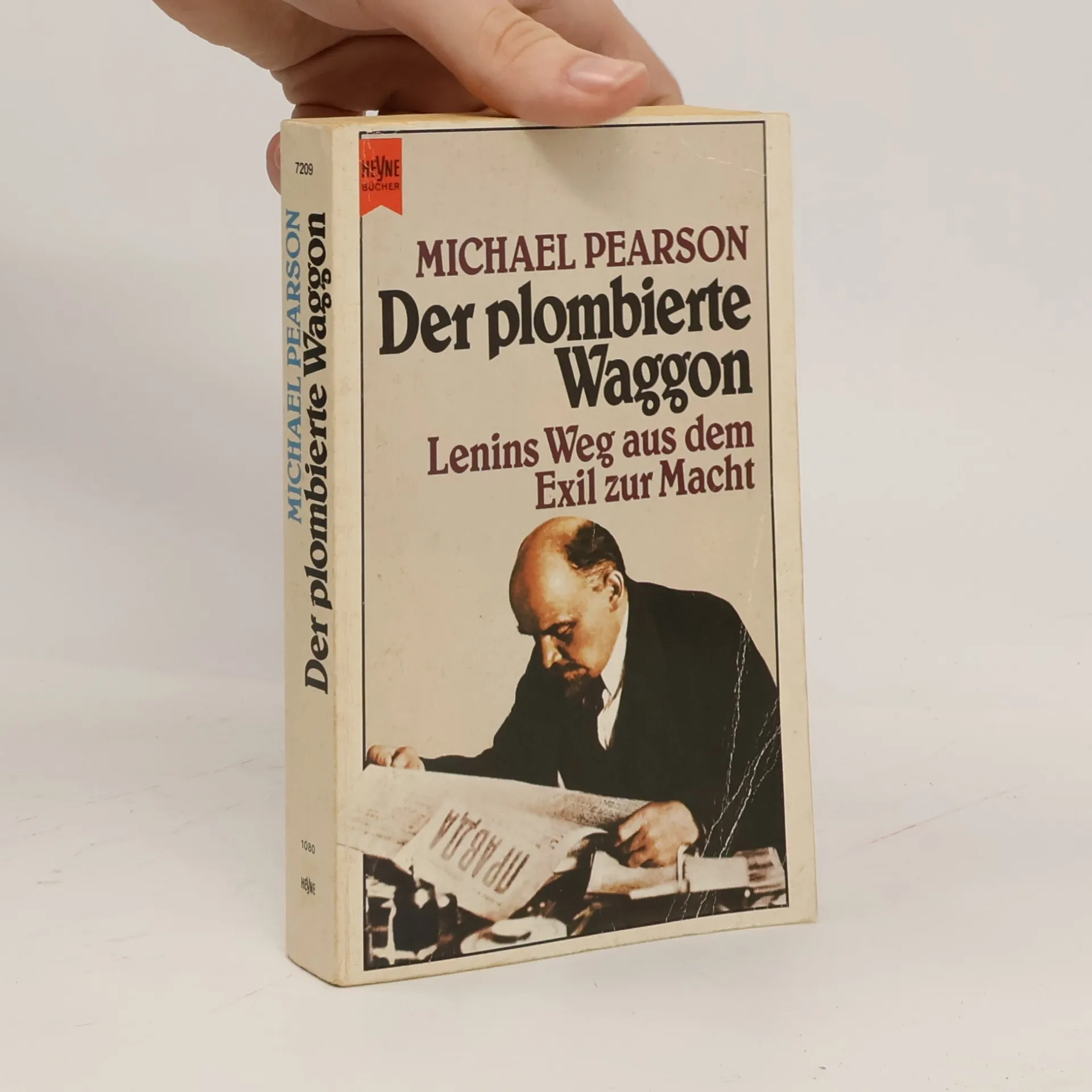

Der plombierte Waggon
Authors
More about the book
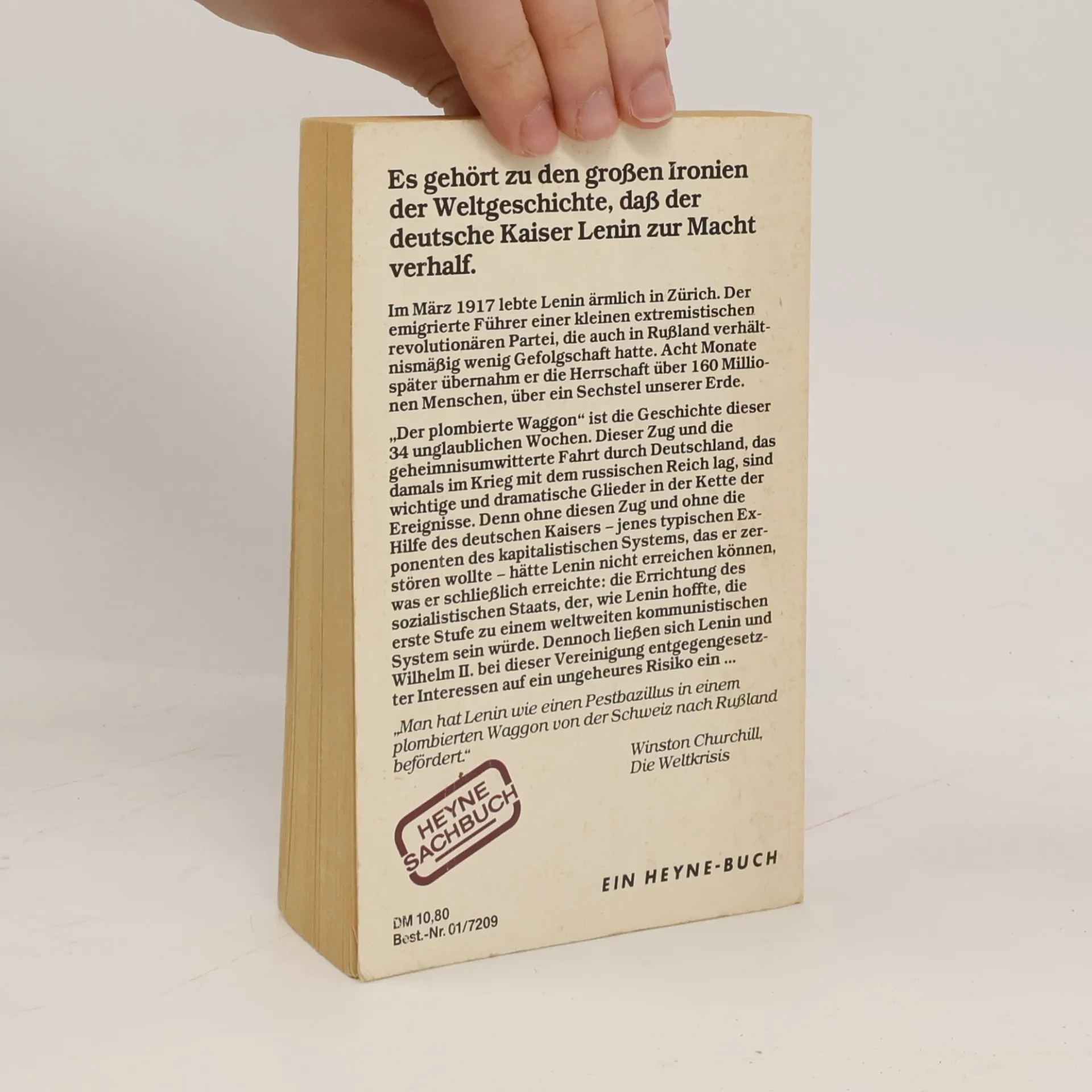
In March 1917, Vladimir Ilyich Ulyanov, known as Lenin, was an obscure leader in Zurich, but within eight months, he gained control of Russia. The upheaval began with an uprising on March 15, 1917. Confident in his ability to lead against a potential counterrevolution, Lenin sought a way to return to Russia through war-torn Europe. He accepted Germany's offer of a "sealed train," emphasizing his non-involvement with the enemy. This journey raised significant questions: Did it signify part of a larger German support plan for Lenin? Why did the train make an unexpected stop in Berlin? Was it to secure last-minute funds from the German government for his struggle against the Kerensky regime? Upon arriving in St. Petersburg, Lenin faced accusations of being a "German agent." Despite being forced into hiding, he relentlessly pursued his agenda, producing impactful editorials and a flurry of communications, all while propaganda campaigns against him escalated. Michael Pearson's compelling narrative draws on diaries, letters, and historical documents to reexamine the allegations against Lenin, presenting new evidence of his collaboration with Germany, which ultimately facilitated Russia's exit from the war and the Bolsheviks' rise to power.


Book purchase
Der plombierte Waggon, Michael Pearson
- Language

- Released
- 1983
- Binding
- (Paperback),
- Book condition
- Good
- Price
- €1.59
Payment methods
No one has rated yet.
- Title
- Der plombierte Waggon
- Language
- German
- Authors
- Michael Pearson
- Publisher
- Universitas
- Released
- 1983
- Format
- Paperback
- Pages
- 349
- ISBN10
- 3453017188
- ISBN13
- 9783453017184
- Series
- Categories
- Tags
- Historical Themes, Politics, Russia
- Original title
- The sealed train
- Description
- In March 1917, Vladimir Ilyich Ulyanov, known as Lenin, was an obscure leader in Zurich, but within eight months, he gained control of Russia. The upheaval began with an uprising on March 15, 1917. Confident in his ability to lead against a potential counterrevolution, Lenin sought a way to return to Russia through war-torn Europe. He accepted Germany's offer of a "sealed train," emphasizing his non-involvement with the enemy. This journey raised significant questions: Did it signify part of a larger German support plan for Lenin? Why did the train make an unexpected stop in Berlin? Was it to secure last-minute funds from the German government for his struggle against the Kerensky regime? Upon arriving in St. Petersburg, Lenin faced accusations of being a "German agent." Despite being forced into hiding, he relentlessly pursued his agenda, producing impactful editorials and a flurry of communications, all while propaganda campaigns against him escalated. Michael Pearson's compelling narrative draws on diaries, letters, and historical documents to reexamine the allegations against Lenin, presenting new evidence of his collaboration with Germany, which ultimately facilitated Russia's exit from the war and the Bolsheviks' rise to power.