

More about the book
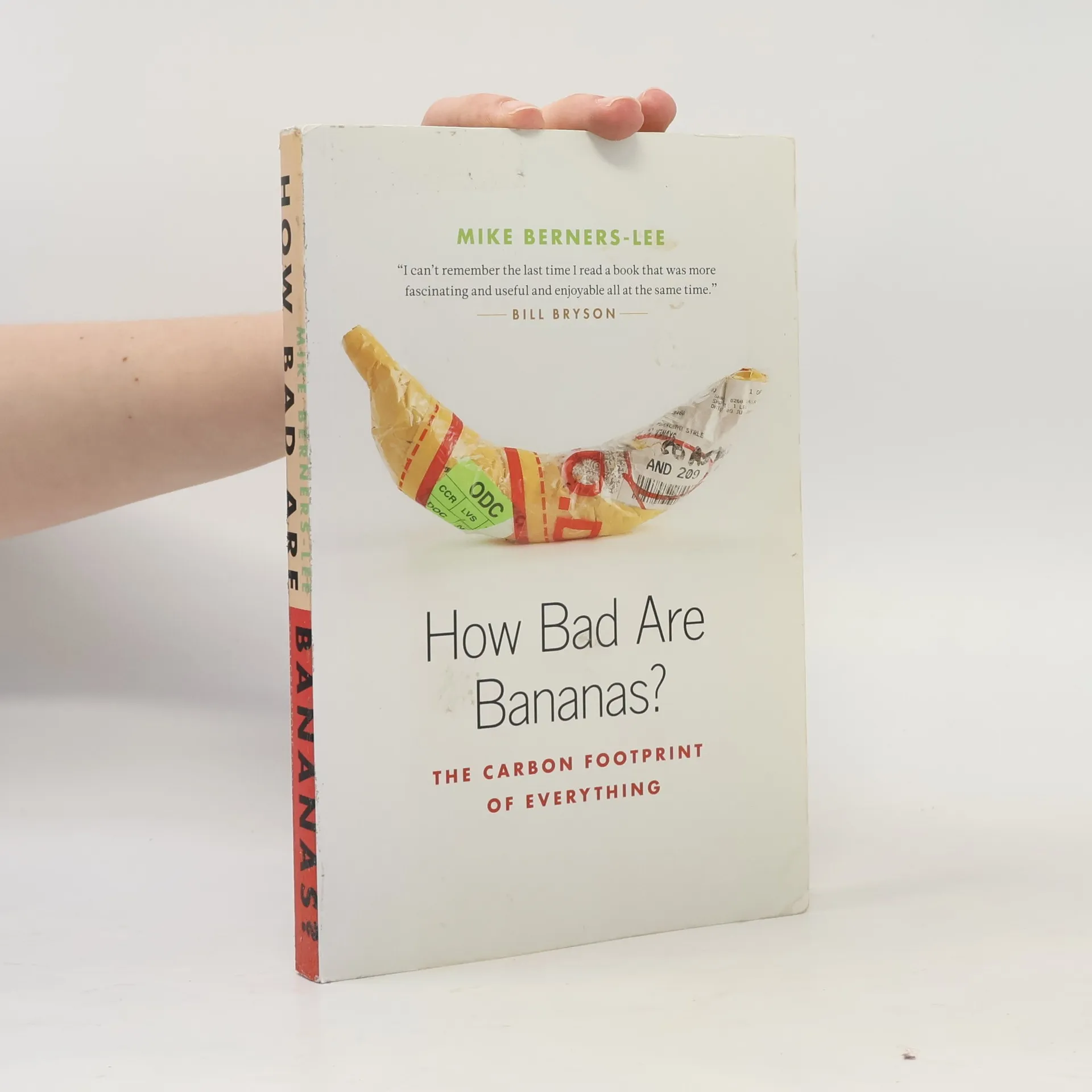
Part green-lifestyle guide, part popular science, How Bad Are Bananas? is the first book to provide the information we need to make carbon-savvy purchases and informed lifestyle choices and to build carbon considerations into our everyday thinking. The book puts our decisions into perspective with entries for the big things (the World Cup, volcanic eruptions, the Iraq war) as well as the small (email, ironing, a glass of beer). And it covers the range from birth (the carbon footprint of having a child) to death (the carbon impact of cremation). Packed full of surprises — a plastic bag has the smallest footprint of any item listed, while a block of cheese is bad news — the book continuously informs, delights, and engages the reader. Solidly researched and referenced, the easily digestible figures, statistics, charts, and graphs (including a section on the carbon footprint of various foods) will encourage discussion and help people to make up their own minds about their consumer choices.


Book purchase
How Bad Are Bananas?, Mike Berners-Lee
- Language

- Released
- 2011
- Binding
- (Paperback)
Payment methods
We’re missing your review here.
- Title
- How Bad Are Bananas?
- Subtitle
- The Carbon Footprint of Everything
- Language
- English
- Authors
- Mike Berners-Lee
- Publisher
- Greystone Books
- Released
- 2011
- Format
- Paperback
- Pages
- 242
- ISBN10
- 1553658329
- ISBN13
- 9781553658320
- Series
- Categories
- Rating
- 3.9 out of 5
- Description
- Part green-lifestyle guide, part popular science, How Bad Are Bananas? is the first book to provide the information we need to make carbon-savvy purchases and informed lifestyle choices and to build carbon considerations into our everyday thinking. The book puts our decisions into perspective with entries for the big things (the World Cup, volcanic eruptions, the Iraq war) as well as the small (email, ironing, a glass of beer). And it covers the range from birth (the carbon footprint of having a child) to death (the carbon impact of cremation). Packed full of surprises — a plastic bag has the smallest footprint of any item listed, while a block of cheese is bad news — the book continuously informs, delights, and engages the reader. Solidly researched and referenced, the easily digestible figures, statistics, charts, and graphs (including a section on the carbon footprint of various foods) will encourage discussion and help people to make up their own minds about their consumer choices.