


More about the book
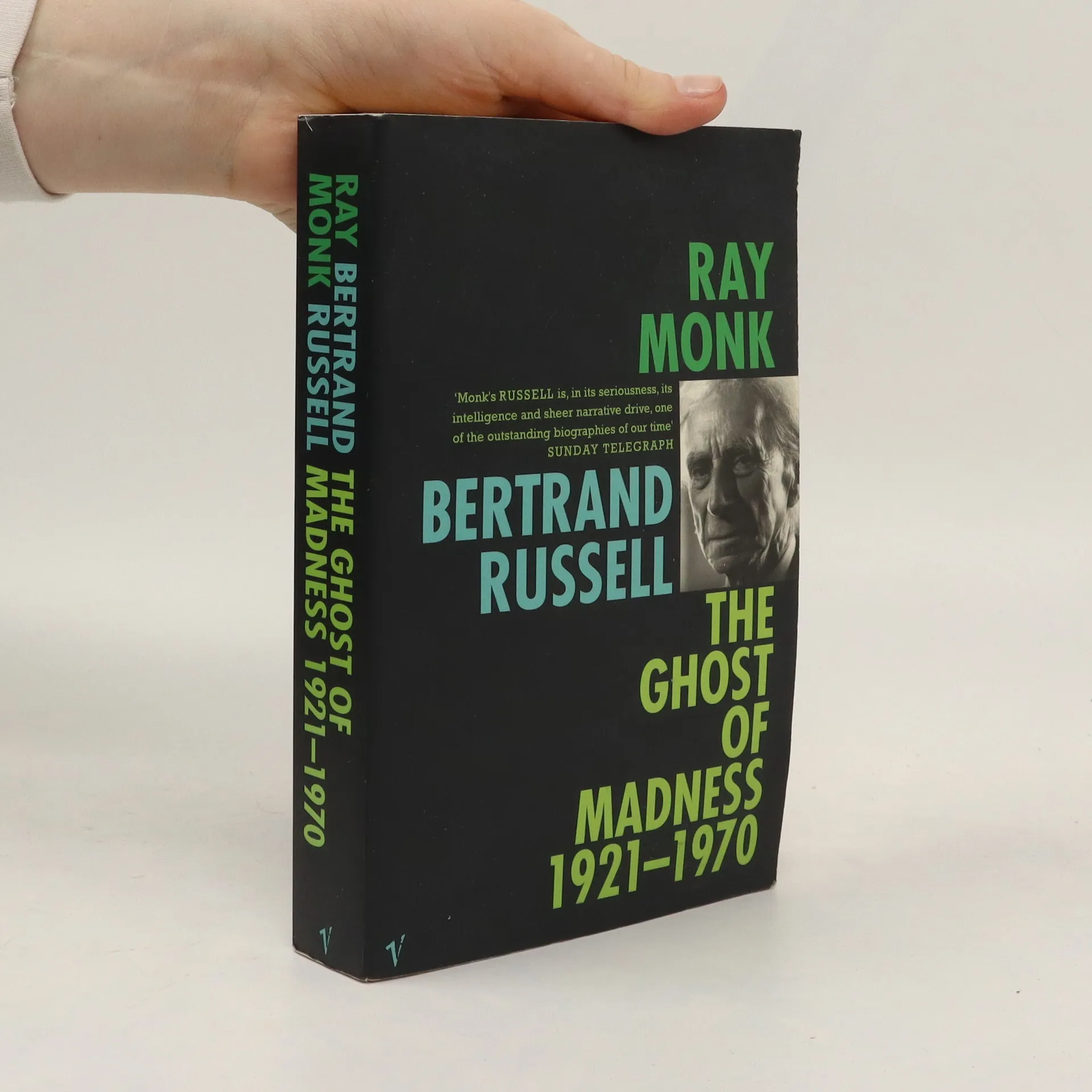
Whereas the highly acclaimed first volume of Ray Monk's biography focused on Bertrand Russell's achievements in philosophy and his often tortured relations with friends and lovers, this volume has at its centre the tragic and deeply moving story of Russell's relationship with his first son, John. That story, until now largely untold, traces Russell's joy at John's birth to his frightened dismay at John's collapse into schizophrenia. Russell had fervent hopes that education and parenthood could produce an 'independent, fearless and free' generation that would transform society, of which John would provide a leading example. In John's decline can also be seen Russell's disappointment at the difficulty of the reform of society. By describing the private as well as the public sides of Russell's life, this book at last does justice to the complexities of one of the most extraordinary men of the twentieth century.
Book purchase
Bertrand Russell: The Ghost of Madness 1921-70, Ray Monk
- Language

- Released
- 2001
- Binding
- (Paperback)
Payment methods
We’re missing your review here.
- Title
- Bertrand Russell: The Ghost of Madness 1921-70
- Language
- English
- Authors
- Ray Monk
- Publisher
- Vintage
- Released
- 2001
- Format
- Paperback
- Pages
- 574
- ISBN10
- 009927275X
- ISBN13
- 9780099272755
- Series
- Categories
- Rating
- 4.25 out of 5
- Description
- Whereas the highly acclaimed first volume of Ray Monk's biography focused on Bertrand Russell's achievements in philosophy and his often tortured relations with friends and lovers, this volume has at its centre the tragic and deeply moving story of Russell's relationship with his first son, John. That story, until now largely untold, traces Russell's joy at John's birth to his frightened dismay at John's collapse into schizophrenia. Russell had fervent hopes that education and parenthood could produce an 'independent, fearless and free' generation that would transform society, of which John would provide a leading example. In John's decline can also be seen Russell's disappointment at the difficulty of the reform of society. By describing the private as well as the public sides of Russell's life, this book at last does justice to the complexities of one of the most extraordinary men of the twentieth century.