Explore the latest books of this year!
Bookbot

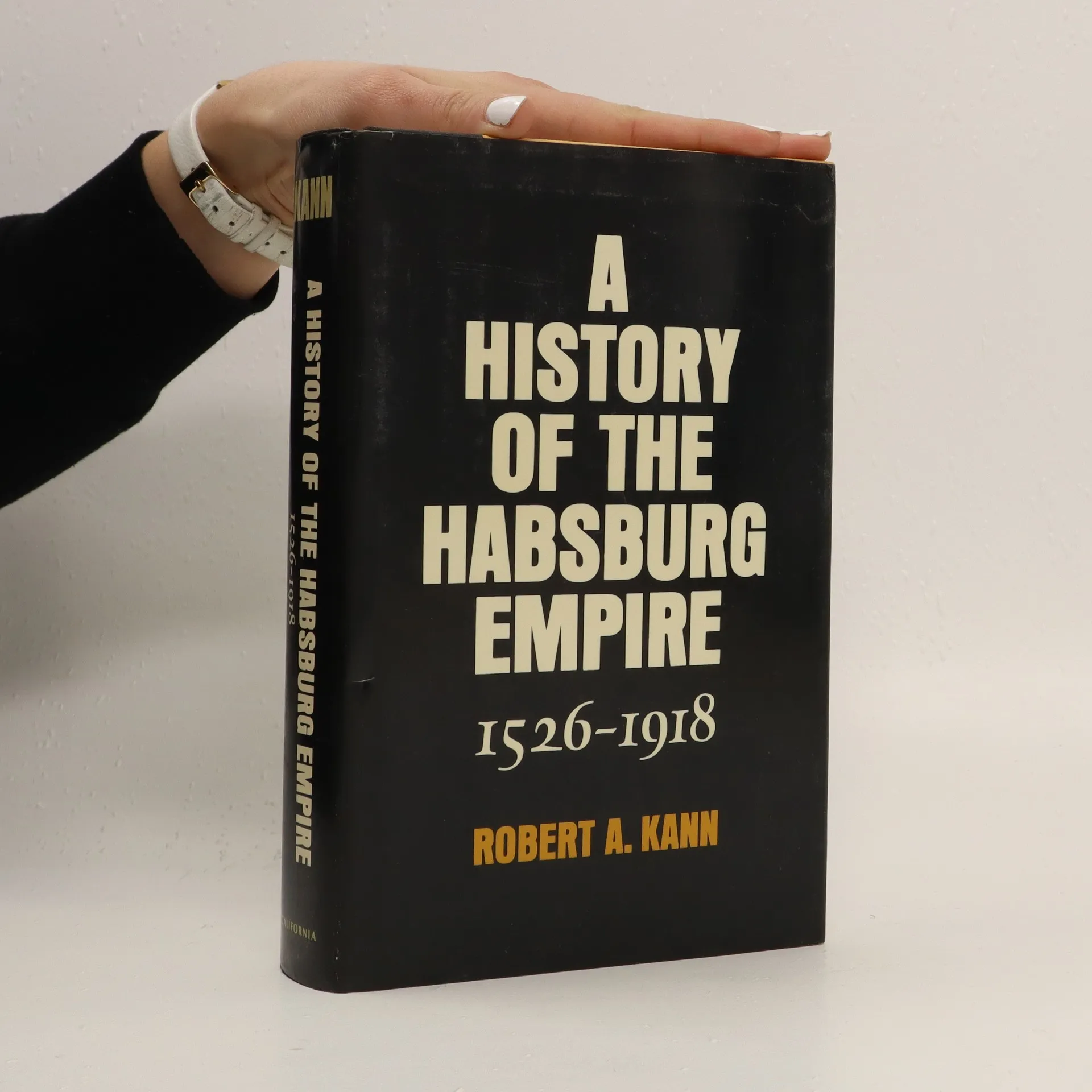
A history of the Habsburg empire : 1526-1918

Book rating

More about the book

"An impressive achievement in a task of extraordinary difficulty...The outstanding asset of this work does not consist in in its comprehensiveness and objectivity, however, nor even in the wide knowledge and special expertise Kann can bring to bear from his early legal training, his formidable scholarship on the nationalities question, and his keen critical appreciation of the diverse cultures of the monarchy. Its greatest merit derives from the author's determination always to ask fundamental questions, his care to discriminate between surface phenomena and deeper causes, his skill in finding significant patterns in an apparently chaotic welter of events, his facility for perceptive and penetrating distinctions and generalizations. In short, he tried with considerable success to tell what really happened in history rather than simply what obviously happened."—Canadian Historical Review

Publication

Book purchase

A history of the Habsburg empire : 1526-1918, Robert A. Kann

Language
Released
1977
product-detail.submit-box.info.binding
(Paperback),
Book condition
Good
Price
€11.49

Payment methods

3.5
Okay
101 Ratings

We’re missing your review here.

Title
A history of the Habsburg empire : 1526-1918
Language
English
Released
1977
Format
Paperback
Pages
661
ISBN10
0520042069
ISBN13
9780520042063
Series
Original title
A history of the Habsburg Empire 1526 - 1918
Rating
3.5 out of 5
Description
"An impressive achievement in a task of extraordinary difficulty...The outstanding asset of this work does not consist in in its comprehensiveness and objectivity, however, nor even in the wide knowledge and special expertise Kann can bring to bear from his early legal training, his formidable scholarship on the nationalities question, and his keen critical appreciation of the diverse cultures of the monarchy. Its greatest merit derives from the author's determination always to ask fundamental questions, his care to discriminate between surface phenomena and deeper causes, his skill in finding significant patterns in an apparently chaotic welter of events, his facility for perceptive and penetrating distinctions and generalizations. In short, he tried with considerable success to tell what really happened in history rather than simply what obviously happened."—Canadian Historical Review