


Political Philosophy versus History?
Contextualism and Real Politics in Contemporary Political Thought
Authors
Book rating
More about the book
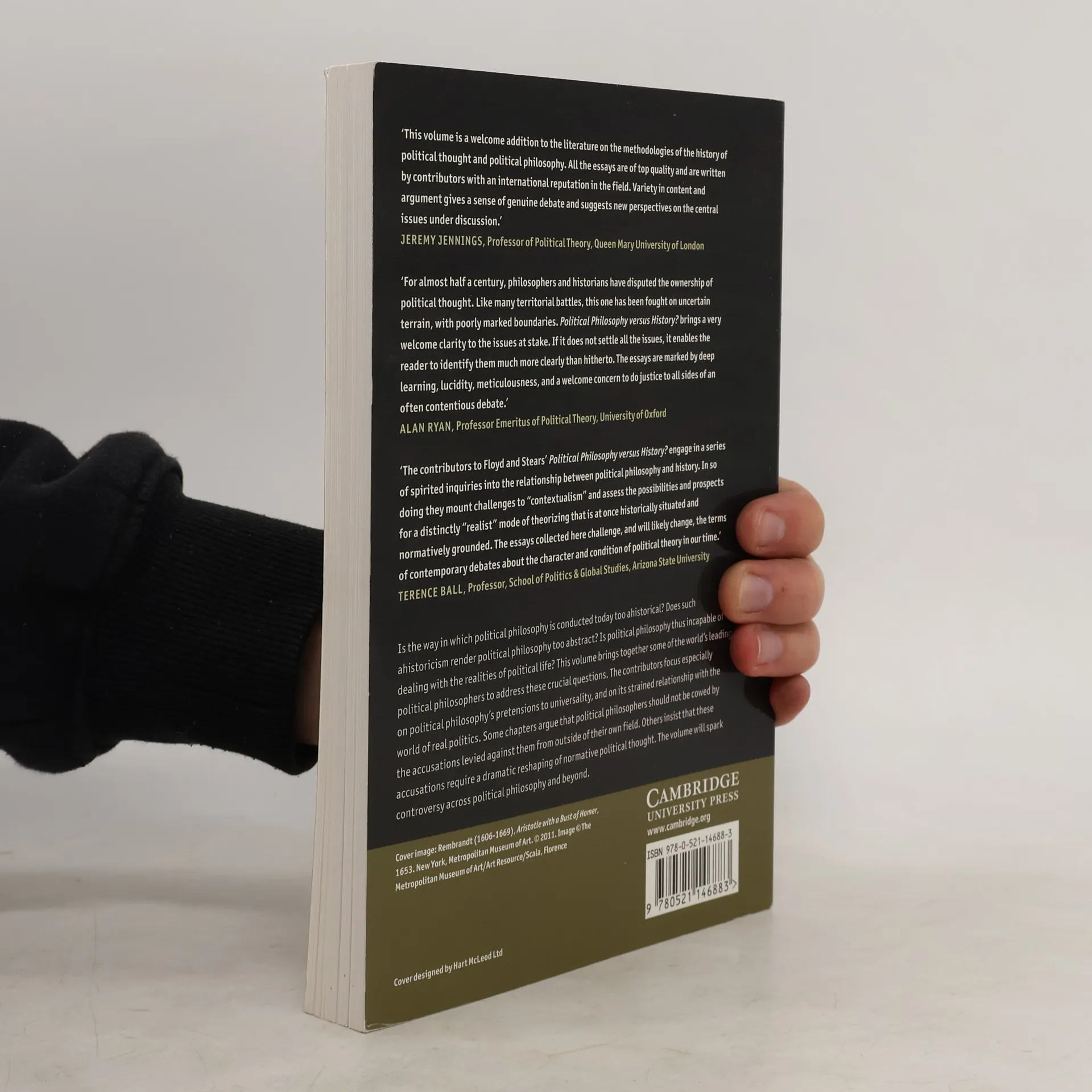
Is the way in which political philosophy is conducted today too ahistorical? Does such ahistoricism render political philosophy too abstract? Is political philosophy thus incapable of dealing with the realities of political life? This volume brings together some of the world's leading political philosophers to address these crucial questions. The contributors focus especially on political philosophy's pretensions to universality and on its strained relationship with the world of real politics. Some chapters argue that political philosophers should not be cowed by the accusations levied against them from outside of their own field. Others insist that these accusations require a dramatic reshaping of normative political thought. The volume will spark controversy across political philosophy and beyond.
Book purchase
Political Philosophy versus History?, Marc Stears, Jonathan Floyd
- Language

- Released
- 2011
- Binding
- (Paperback)
Payment methods
We’re missing your review here.
- Title
- Political Philosophy versus History?
- Subtitle
- Contextualism and Real Politics in Contemporary Political Thought
- Language
- English
- Authors
- Marc Stears, Jonathan Floyd
- Publisher
- Cambridge University Press
- Released
- 2011
- Format
- Paperback
- Pages
- 240
- ISBN10
- 0521146887
- ISBN13
- 9780521146883
- Series
- Rating
- 3.35 out of 5
- Description
- Is the way in which political philosophy is conducted today too ahistorical? Does such ahistoricism render political philosophy too abstract? Is political philosophy thus incapable of dealing with the realities of political life? This volume brings together some of the world's leading political philosophers to address these crucial questions. The contributors focus especially on political philosophy's pretensions to universality and on its strained relationship with the world of real politics. Some chapters argue that political philosophers should not be cowed by the accusations levied against them from outside of their own field. Others insist that these accusations require a dramatic reshaping of normative political thought. The volume will spark controversy across political philosophy and beyond.