

More about the book
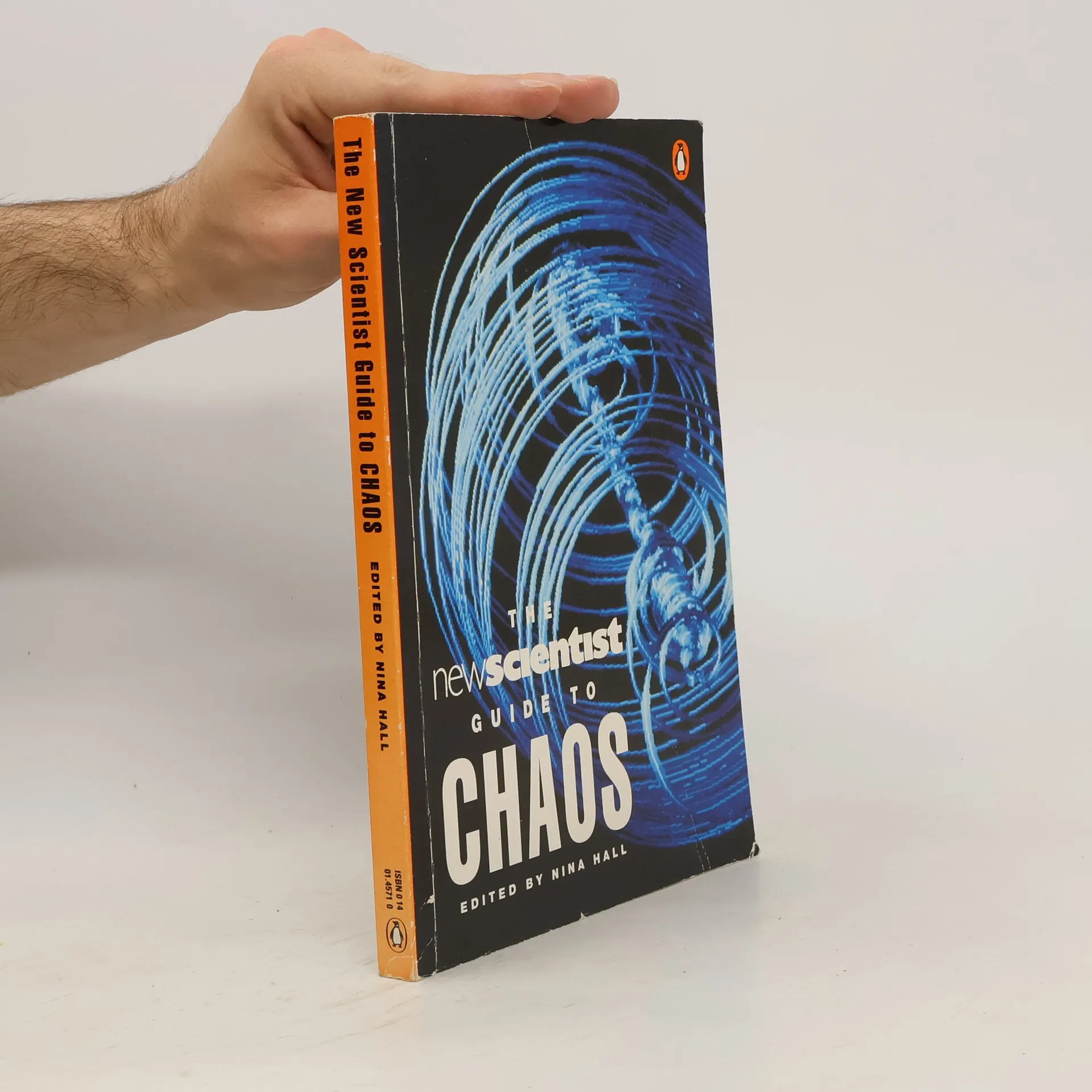
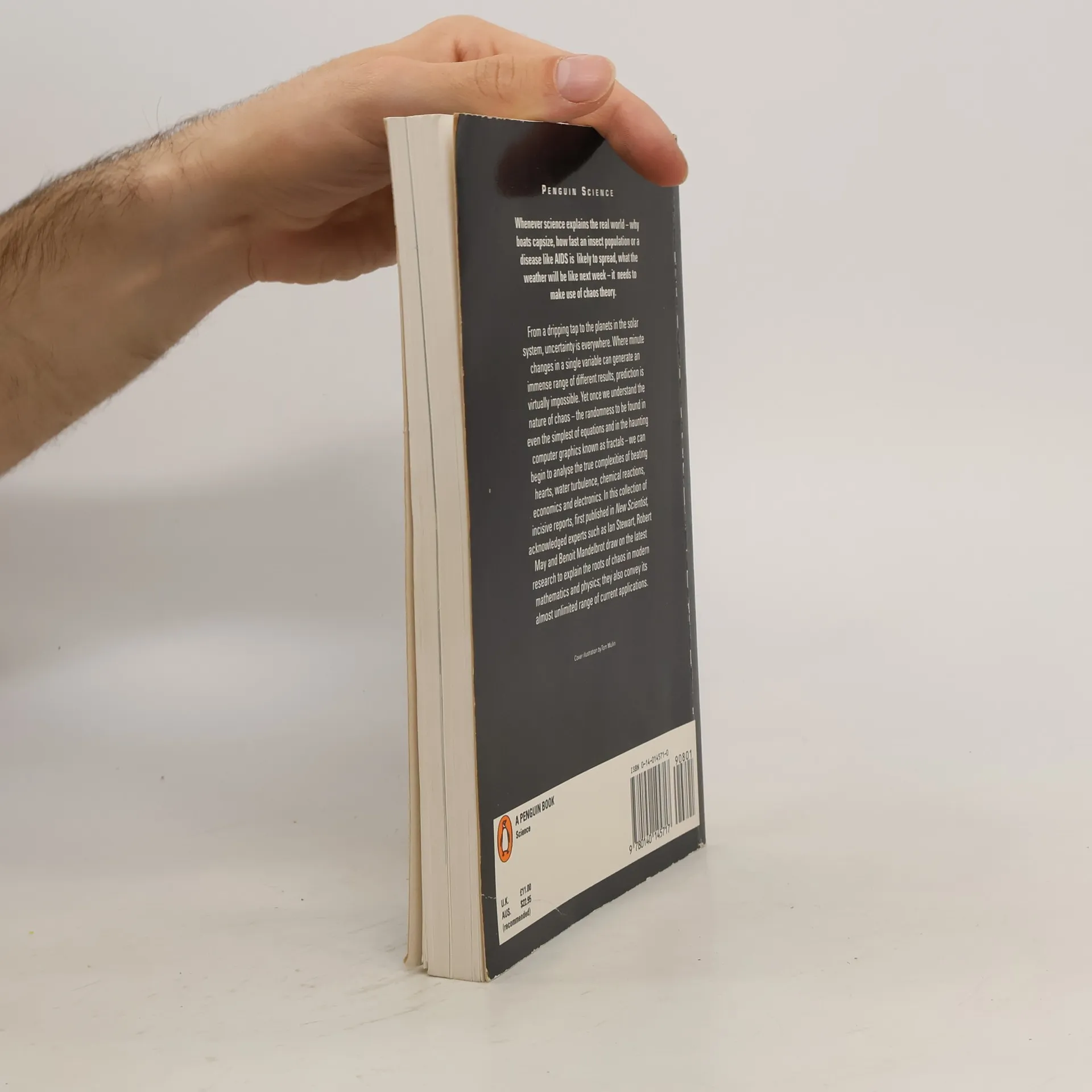
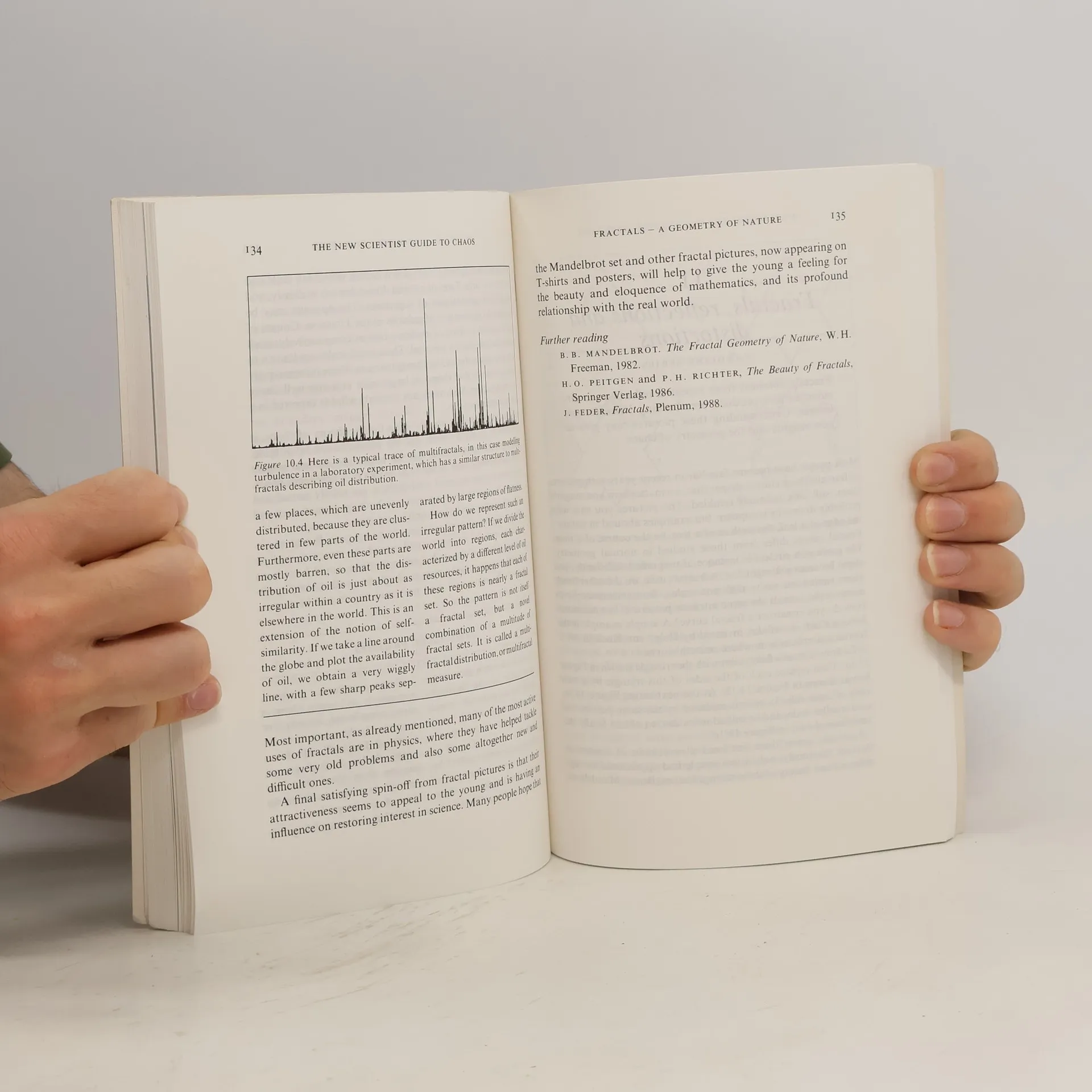
Whenever scientists attempt to explain natural phenomena – why boats capsize, how fast an insect population or a disease like AIDS is likely to spread, what the weather will be like next week – they need to make use of chaos theory. From a dripping tap to the planets in the solar system, uncertainty is everywhere. Where minute changes in a single variable can engender a vast range of different results, prediction is practically impossible. Yet once the nature of chaos is apprehended – that random quality to be discerned in even the simplest of equations and in the haunting computer graphics known as fractals – attempts to analyse the true complexities of beating hearts, water turbulence, chemical reactions, economics and electronics could possibly begin. In this collection of incisive reports, first published in New Scientist and edited for this Penguin Science series offering by Nina Hall, 18 acknowledged experts, including Ian Stewart, Robert May, Benoit Mandlebrot and Paul Davies, draw on a considerable body of research to describe the roots of chaos in modern mathematics and physics and convey the almost unlimited range of current applications it could have.
Book purchase
The New Scientist Guide to Chaos, Nina Hall
- Language

- Released
- 1992
- Binding
- (Paperback)
Payment methods
We’re missing your review here.
- Title
- The New Scientist Guide to Chaos
- Language
- English
- Authors
- Nina Hall
- Publisher
- Penguin Books
- Released
- 1992
- Format
- Paperback
- Pages
- 223
- ISBN10
- 0140145710
- ISBN13
- 9780140145717
- Series
- Categories
- Rating
- 3.85 out of 5
- Description
- Whenever scientists attempt to explain natural phenomena – why boats capsize, how fast an insect population or a disease like AIDS is likely to spread, what the weather will be like next week – they need to make use of chaos theory. From a dripping tap to the planets in the solar system, uncertainty is everywhere. Where minute changes in a single variable can engender a vast range of different results, prediction is practically impossible. Yet once the nature of chaos is apprehended – that random quality to be discerned in even the simplest of equations and in the haunting computer graphics known as fractals – attempts to analyse the true complexities of beating hearts, water turbulence, chemical reactions, economics and electronics could possibly begin. In this collection of incisive reports, first published in New Scientist and edited for this Penguin Science series offering by Nina Hall, 18 acknowledged experts, including Ian Stewart, Robert May, Benoit Mandlebrot and Paul Davies, draw on a considerable body of research to describe the roots of chaos in modern mathematics and physics and convey the almost unlimited range of current applications it could have.