
Explore the latest books of this year!
Bookbot

Nina Hall

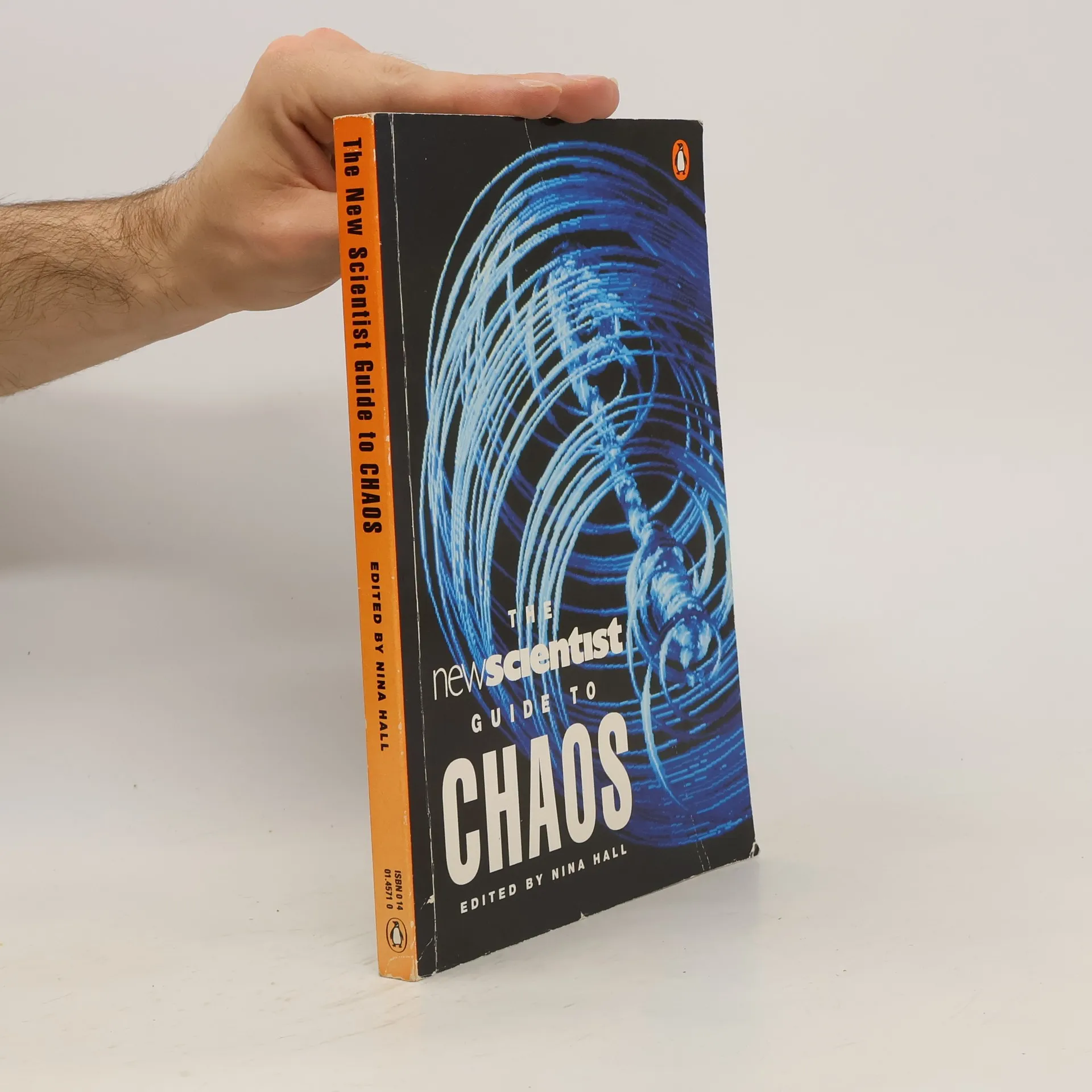
    The New Scientist Guide to Chaos
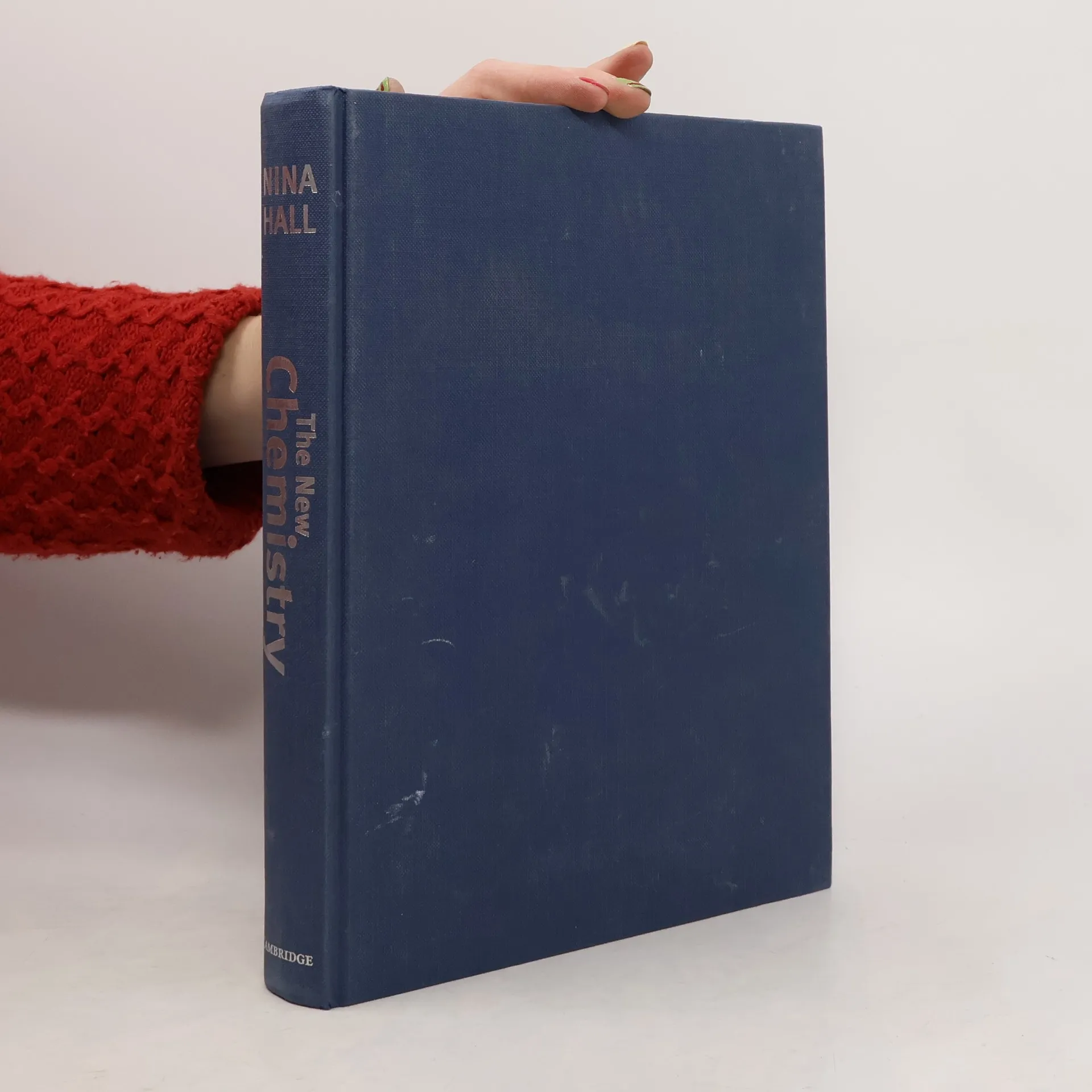
    The New Chemistry
    • The New Chemistry

      • 522 pages
      • 19 hours of reading

      The New Chemistry is a unique and fascinating book - a showcase for modern chemistry. It highlights the most important developments in chemistry over the past 30 years, covering the latest research trends in a wide range of fields, both theoretical and experimental. The book consists of 17 self-contained chapters, each covering a different topic in chemistry, ranging from the discovery of new elements and synthetic techniques to the design of drugs and materials, and each written by one of the world's leading chemists in that particular field. It includes contributions from several Nobel Prize winners and is copiously illustrated with photographs and explanatory diagrams. Written in a lively and accessible style, this book will be of interest to scientists of all disciplines and will be useful as a reference text for anyone wanting to know more about modern chemistry.

      The New Chemistry
      3.8
    • The New Scientist Guide to Chaos

      • 223 pages
      • 8 hours of reading

      Whenever scientists attempt to explain natural phenomena – why boats capsize, how fast an insect population or a disease like AIDS is likely to spread, what the weather will be like next week – they need to make use of chaos theory. From a dripping tap to the planets in the solar system, uncertainty is everywhere. Where minute changes in a single variable can engender a vast range of different results, prediction is practically impossible. Yet once the nature of chaos is apprehended – that random quality to be discerned in even the simplest of equations and in the haunting computer graphics known as fractals – attempts to analyse the true complexities of beating hearts, water turbulence, chemical reactions, economics and electronics could possibly begin. In this collection of incisive reports, first published in New Scientist and edited for this Penguin Science series offering by Nina Hall, 18 acknowledged experts, including Ian Stewart, Robert May, Benoit Mandlebrot and Paul Davies, draw on a considerable body of research to describe the roots of chaos in modern mathematics and physics and convey the almost unlimited range of current applications it could have.

      The New Scientist Guide to Chaos
      3.9