

More about the book
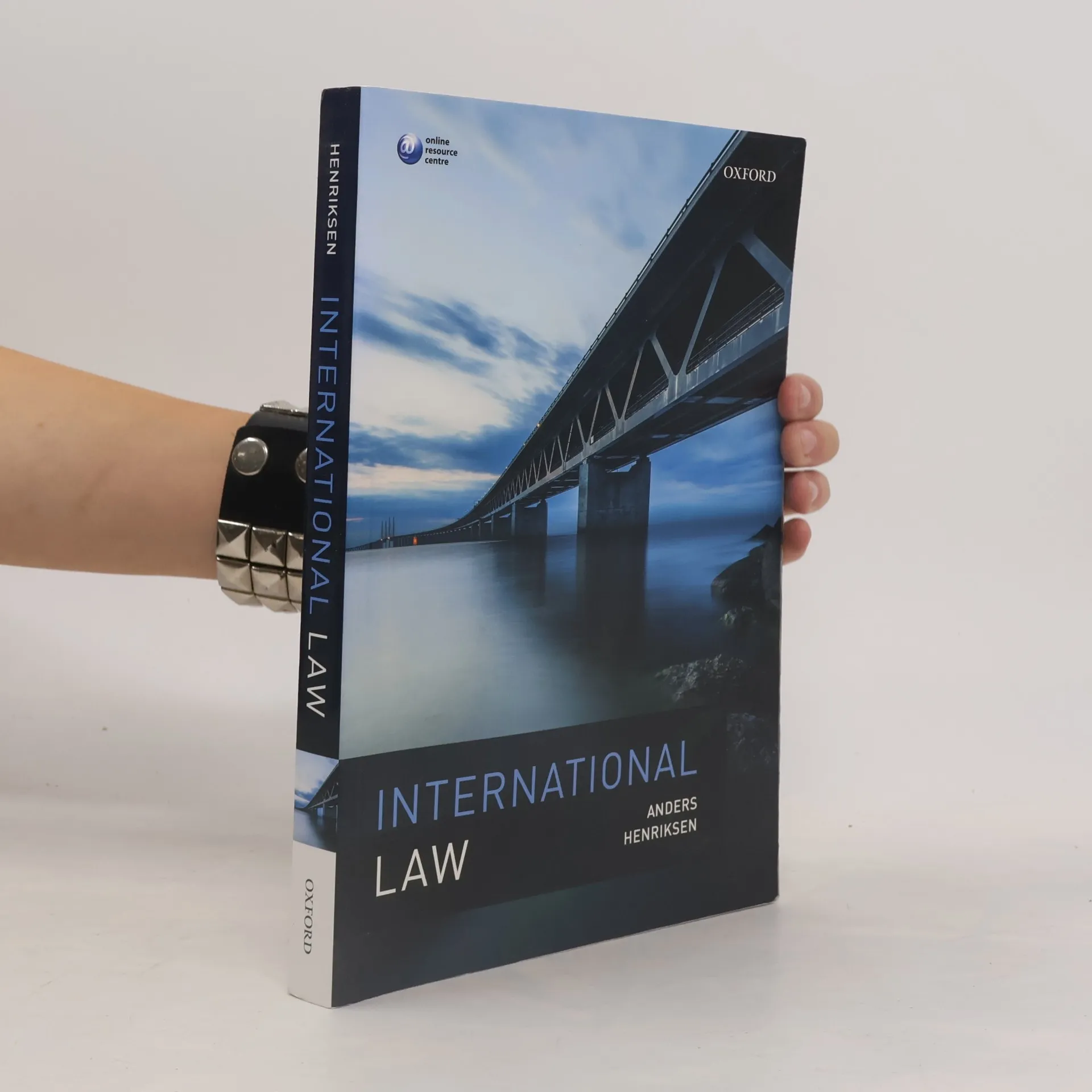
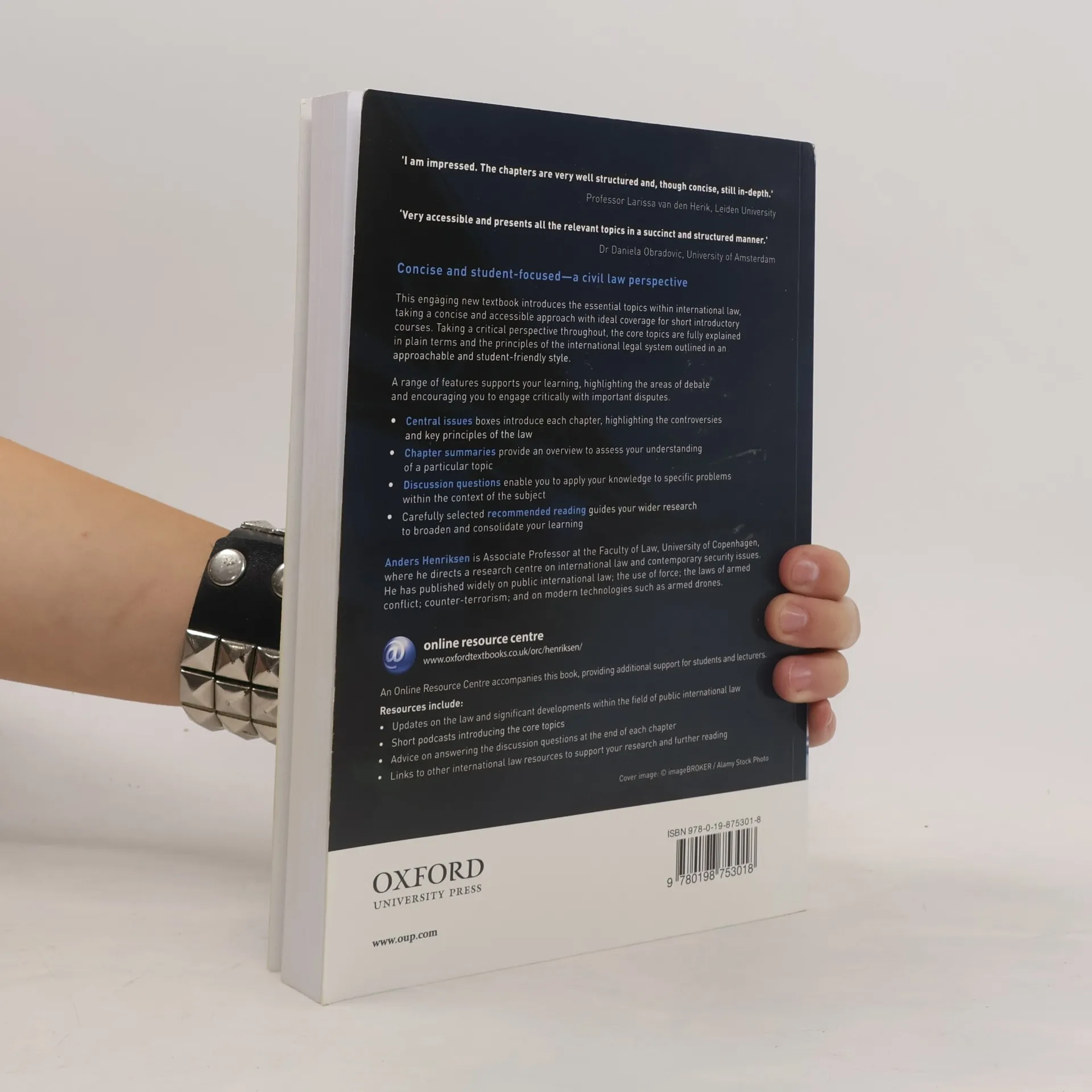
This textbook offers a fresh, student-focused approach to public international law from a European perspective. It is ideal for short foundational courses, introducing essential topics in a concise manner. Key areas such as environmental law, economic law, and human rights are thoroughly covered, ensuring a comprehensive understanding of various aspects influenced by international law. Core topics are explained in clear terms, with principles and key terminology presented accessibly. Taking a critical perspective, the author highlights areas of debate, helping students grasp the complexities of the international legal system and its cross-border operations. Emphasis is placed on civil law jurisdictions, making it particularly suitable for students in mainland Europe. Various learning features encourage critical engagement with significant disputes, including central issues boxes that outline controversies and key principles, chapter summaries for review, discussion questions to apply knowledge, and recommended reading lists for broader research. An accompanying Online Resource Centre provides additional support, including updates on legal developments, short podcasts on core topics, guidance for discussion questions, and links to other international law resources, enhancing the learning experience for both lecturers and students.
Publication

Book purchase
International Law, Anders Henriksen
- Language

- Released
- 2017
- Binding
- (Paperback),
- Book condition
- Good
- Price
- €7.79
Payment methods
We’re missing your review here.
- Title
- International Law
- Language
- English
- Authors
- Anders Henriksen
- Publisher
- Oxford University Press
- Released
- 2017
- Format
- Paperback
- Pages
- 392
- ISBN10
- 0198753012
- ISBN13
- 9780198753018
- Series
- Tags
- Business, Legal Topics
- Rating
- 3.5 out of 5
- Description
- This textbook offers a fresh, student-focused approach to public international law from a European perspective. It is ideal for short foundational courses, introducing essential topics in a concise manner. Key areas such as environmental law, economic law, and human rights are thoroughly covered, ensuring a comprehensive understanding of various aspects influenced by international law. Core topics are explained in clear terms, with principles and key terminology presented accessibly. Taking a critical perspective, the author highlights areas of debate, helping students grasp the complexities of the international legal system and its cross-border operations. Emphasis is placed on civil law jurisdictions, making it particularly suitable for students in mainland Europe. Various learning features encourage critical engagement with significant disputes, including central issues boxes that outline controversies and key principles, chapter summaries for review, discussion questions to apply knowledge, and recommended reading lists for broader research. An accompanying Online Resource Centre provides additional support, including updates on legal developments, short podcasts on core topics, guidance for discussion questions, and links to other international law resources, enhancing the learning experience for both lecturers and students.