

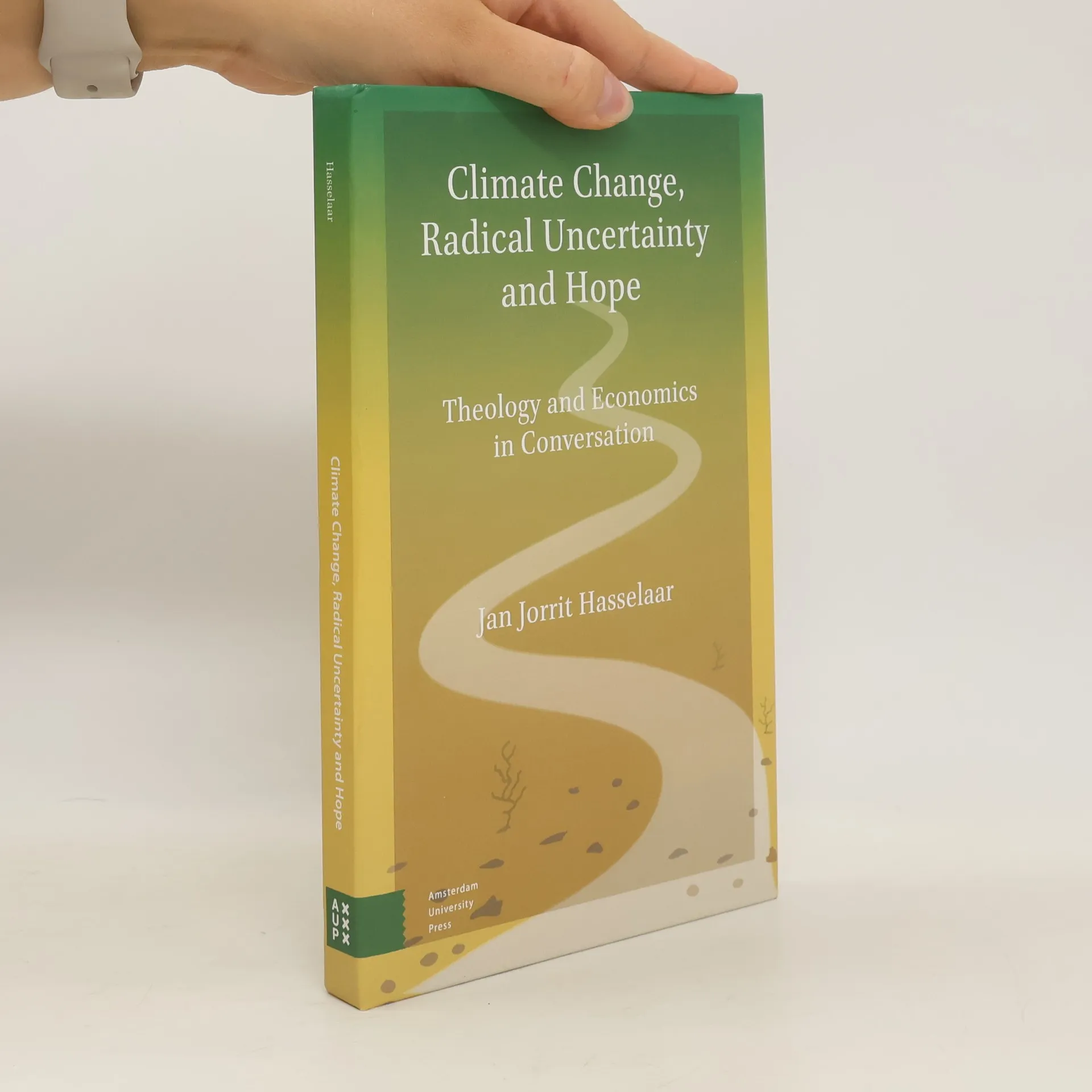


Climate Change, Radical Uncertainty and Hope
Theology and Economics in Conversation
Authors
Book rating
More about the book
Views on climate change are often either pessimistic or optimistic. In this book Jan Jorrit Hasselaar discovers and explores a third way, one of hope. A debate within economics on risk and uncertainty brings him to theological questions and the concept of hope in the work of the late Jonathan Sacks―and to a renewed way of doing theology as an account of the good life. What follows is an equal conversation between theology and economics as has hardly been undertaken in recent times. It emerges that hope is not contrary to economic insights, but remarkably compatible with them. Communication between these fields of expertise can open the way for a courageous and creative embrace of radical uncertainty in climate change. A key notion here is that of a public Sabbath, or a ‘workplace of hope’―times and places set aside to cultivate inspiration and mutual trust among all parties involved, enabling them to take concrete steps forward.
Book purchase
Climate Change, Radical Uncertainty and Hope, Jan Jorrit Hasselaar
- Language

- Released
- 2022
- Binding
- (Paperback)
Payment methods
We’re missing your review here.
- Title
- Climate Change, Radical Uncertainty and Hope
- Subtitle
- Theology and Economics in Conversation
- Language
- English
- Authors
- Jan Jorrit Hasselaar
- Publisher
- Amsterdam University Press
- Released
- 2022
- Format
- Paperback
- Pages
- 180
- ISBN10
- 9048558476
- ISBN13
- 9789048558476
- Series
- Categories
- Rating
- 5 out of 5
- Description
- Views on climate change are often either pessimistic or optimistic. In this book Jan Jorrit Hasselaar discovers and explores a third way, one of hope. A debate within economics on risk and uncertainty brings him to theological questions and the concept of hope in the work of the late Jonathan Sacks―and to a renewed way of doing theology as an account of the good life. What follows is an equal conversation between theology and economics as has hardly been undertaken in recent times. It emerges that hope is not contrary to economic insights, but remarkably compatible with them. Communication between these fields of expertise can open the way for a courageous and creative embrace of radical uncertainty in climate change. A key notion here is that of a public Sabbath, or a ‘workplace of hope’―times and places set aside to cultivate inspiration and mutual trust among all parties involved, enabling them to take concrete steps forward.