



Parameters
- 360 pages
- 13 hours of reading
More about the book
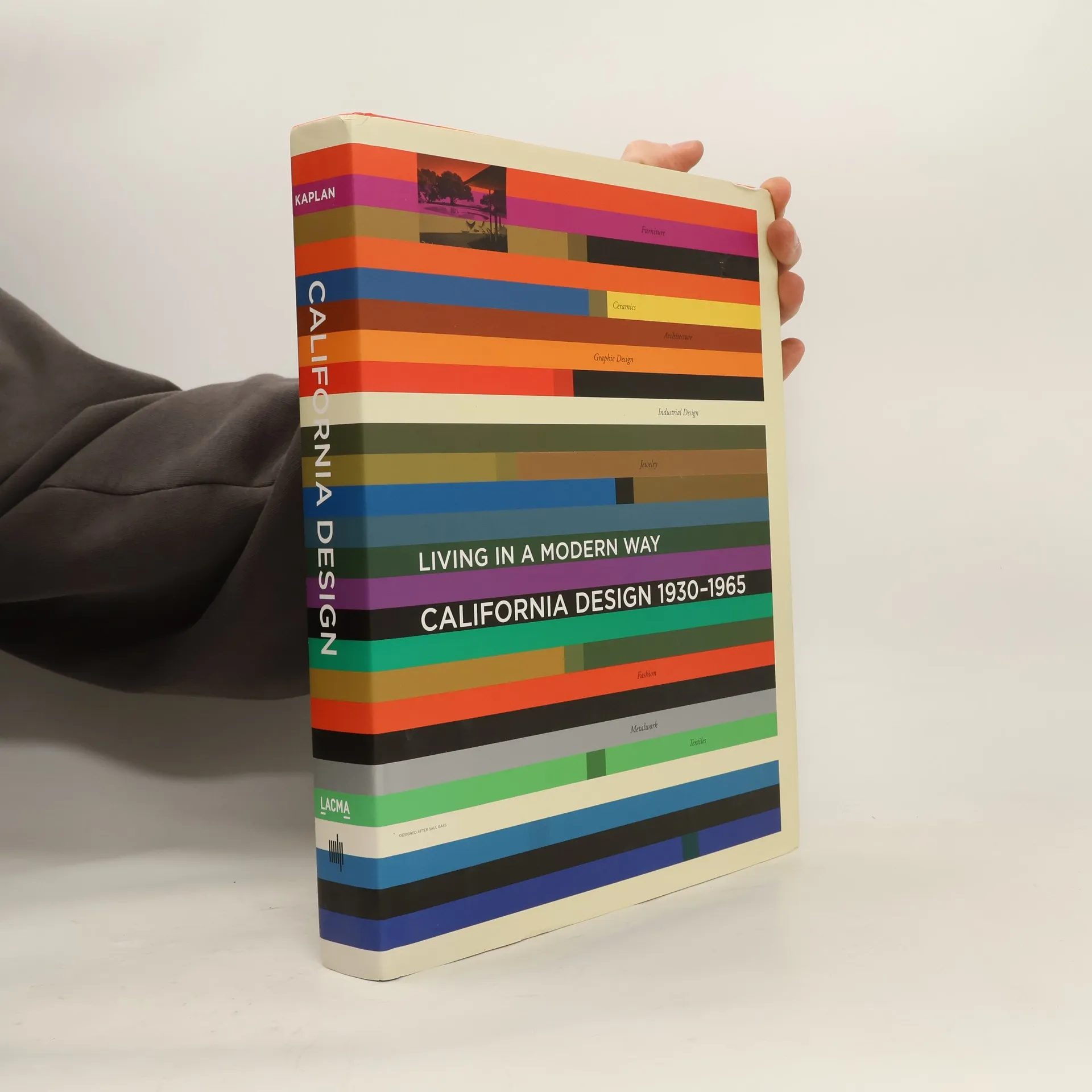
In 1951, designer Greta Magnusson Grossman noted that California design emerged as a response to contemporary living, shaping the material culture across the nation, from architecture to fashion. This richly illustrated book accompanies a major exhibition at the Los Angeles County Museum of Art and offers the first comprehensive look at California's mid-century modern design. It traces the roots of California modernism to the 1930s, influenced by European émigrés like Richard Neutra, Rudolph Schindler, and Kem Weber. The book explores various design innovations, including solid-color ceramics, inspirations from Mexico and Asia, new design schools, leisure concepts, and the adaptation of wartime technologies for civilian use, exemplified by Charles and Ray Eames's furniture. Central to this design movement is the modern California home, characterized by open layouts that promote outdoor living. Notable architects like Pierre Koenig, Craig Ellwood, and Raphael Soriano designed homes that blurred the lines between indoor and outdoor spaces. Furnishings from companies like Heath Ceramics and Architectural Pottery, along with multifunctional objects, illustrate this era's creativity. The book features 350 images, primarily in color, showcasing furniture, ceramics, architecture, and more, accompanied by ten insightful essays that outline the evolution of California's design aesthetic.
Book purchase
California Design, 1930-1965, Wendy Kaplan, P.R. Ball
- Language

- Released
- 2011
- Binding
- (Hardcover)
Payment methods
We’re missing your review here.
- Title
- California Design, 1930-1965
- Subtitle
- Living in a Modern Way
- Language
- English
- Authors
- Wendy Kaplan, P.R. Ball
- Publisher
- MIT Press
- Released
- 2011
- Format
- Hardcover
- Pages
- 360
- ISBN10
- 0262016079
- ISBN13
- 9780262016070
- Series
- Categories
- Tags
- Business, Nature, Philosophical Topics, Art, Architecture, Exhibition Catalogues, 20th century, American Literature, Education & School System, History of Art, Fashion Themes, Journalism, Leadership, Communication, Writing, Garden, Marketing and PR, Culture, American History, Cultural History, Creativity, Employment, Crafting and DIY, Knitting, Globalization, California, Innovation, Advertising and Promotion, Decorative Arts
- Rating
- 4.3 out of 5
- Description
- In 1951, designer Greta Magnusson Grossman noted that California design emerged as a response to contemporary living, shaping the material culture across the nation, from architecture to fashion. This richly illustrated book accompanies a major exhibition at the Los Angeles County Museum of Art and offers the first comprehensive look at California's mid-century modern design. It traces the roots of California modernism to the 1930s, influenced by European émigrés like Richard Neutra, Rudolph Schindler, and Kem Weber. The book explores various design innovations, including solid-color ceramics, inspirations from Mexico and Asia, new design schools, leisure concepts, and the adaptation of wartime technologies for civilian use, exemplified by Charles and Ray Eames's furniture. Central to this design movement is the modern California home, characterized by open layouts that promote outdoor living. Notable architects like Pierre Koenig, Craig Ellwood, and Raphael Soriano designed homes that blurred the lines between indoor and outdoor spaces. Furnishings from companies like Heath Ceramics and Architectural Pottery, along with multifunctional objects, illustrate this era's creativity. The book features 350 images, primarily in color, showcasing furniture, ceramics, architecture, and more, accompanied by ten insightful essays that outline the evolution of California's design aesthetic.